
Loading
Search
We hope you found what you are searching for. If not, contact us and let us know what your want. We will do the work for you and get back to you when we're done.
beef chuck - Knowledge Search
Top 28 articles found
Displaying 1-20 | Next 8 >>

Beef is the name given to meat obtained from the carcasses of cattle. Each primary beef cut is known as a primal cut, which are groups of muscles from the same area of the beef carcass. The beef primal cuts include the chuck, rib, short loin, round, brisket, plate, and flank.
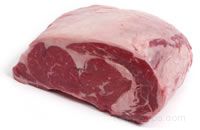
When roasting beef it is important to select the proper cut of roast beef to produce moist and tender meat when the roast beef is cooked to the desired doneness. Using the proper beef cooking times and temperatures is critical to the end results.
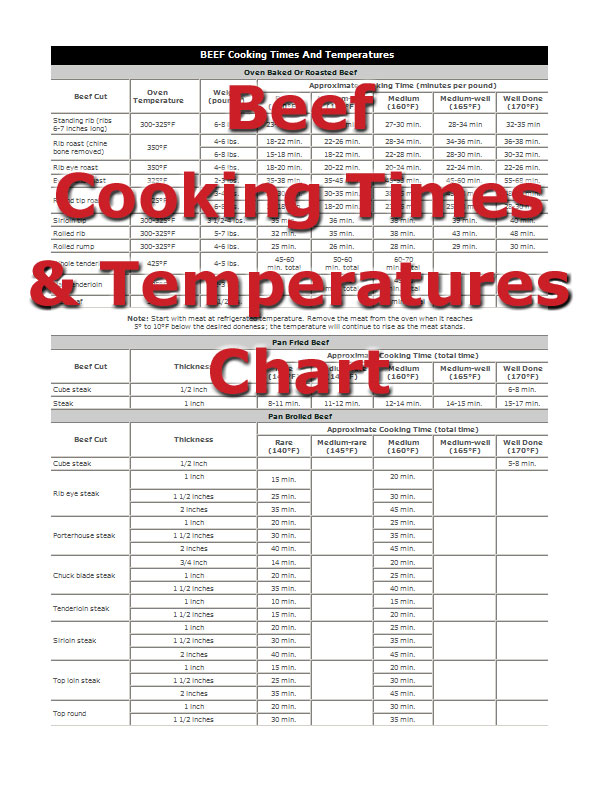
The proper beef cooking times and the correct beef cooking temperatures are extremely important. The optimum flavor and tenderness of various cuts of beef can be consistently achieved when care is taken to follow the recommended time and temperature guidelines for cooking beef.
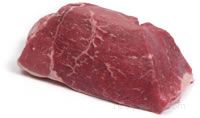
Beef cuts should be selected according to the planned method of cooking. For example, if beef is to be cooked on a grill, a tougher cut from the round or plate should not be purchased, unless the intention is to tenderize the meat before cooking it.
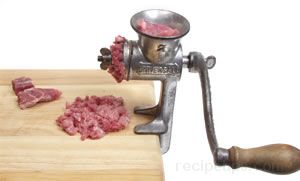
Meat Grinder | Food Processor | Hand Chopping
When purchasing ground beef, it is not always possible to know which beef cuts were used to produce the ground beef unless it is labeled "ground round" or "ground chuck".
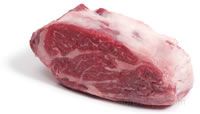
Pot Roasts
Cuts from the chuck are among the most popular cuts for pot-roasting (braising). They have plenty of connective tissues that melt when the meat is pot-roasted making it tender and flavorful.
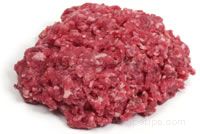
Miscellaneous CutsSome fresh beef cuts or scraps are ground, rolled, tenderized, cubed, or sliced in food stores or meat markets into various products that add convenience for the consumer.
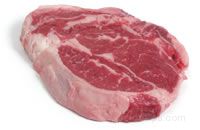
SteaksSteaks are among the most popular fresh beef cuts. The best steaks, in terms of tenderness, are from the loin and include the Filet mignon, Porterhouse, T-bone, and top loin strip.
The proper beef roast cook times and the correct beef cooking oven temperatures are extremely important. The optimum flavor and tenderness of various beef roasts can be consistently achieved when care is taken to follow the recommended time and temperature guidelines for cooking beef roasts.
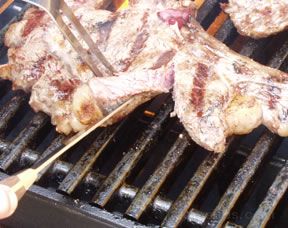
The high heat of grilling sears the surface of beef, creating tender meat with a flavorful crust. The required cooking temperature and the method of grilling (direct, indirect, or a combination) depends on the cut of beef and the quality of the meat.
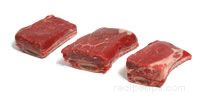
Ribs
The beef carcass has 13 pairs of ribs, but not all of the ribs are included in the rib primal cut. The first 5 ribs are part of the chuck cut in the front of the animal.
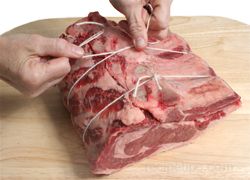
Tying a Rib Roast | Tying a Tenderloin | Tying a Top Blade Chuck Roast
Tying various cuts of beef is a good way to hold the shape of a roast, to keep the cut of beef in a compact form, and to make sure that the meat will be cooked evenly.
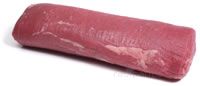
Rotisserie Grilling Beef | Doneness
For general guidelines on rotisserie grilling, see Rotisserie Grilling Basics.
Rotisserie Grilling Beef
There are two methods of cooking beef using a rotisserie: direct heat cooking and indirect heat cooking.
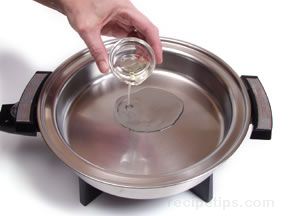
Braising is a process of slow cooking tougher cuts of meat in liquid in order to add flavor and to moisten and tenderize the meat. This technique is also known as pot-roasting.
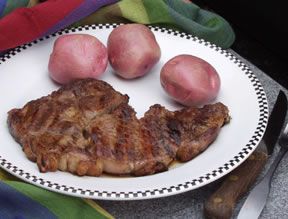
The high heat of grilling sears the surface of beef, creating tender meat with a flavorful crust. The required cooking temperature and the method of grilling (direct, indirect, or a combination) depends on the cut of beef and the quality of the meat.
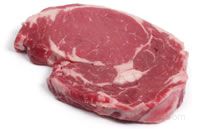
Oven-Broiling | Pan-Broiling
Broiling is much like grilling in that food is cooked directly with high heat. The difference between broiling and grilling is that broiling is usually done in an oven and the heat source is above the food (except when pan-broiling) whereas grilling is done on equipment that is generally used outdoors and the heat source is below the food.
In order to cook beef properly, the appropriate cooking method should be selected for each type of beef cut. For example, if you plan on using grilling as a cooking method, a tough beef cut from the round or plate should not be used, unless the intention is to tenderize the meat before cooking it.
The following points should be considered when purchasing cuts of beef:
Lean boneless cuts yield up to 4 servings per pound.
Beef cuts with some bone yield up to 3 servings per pound.
Learning about various cuts can make shopping for beef a much easier experience. A general knowledge of beef cuts and how they are best used will help you select the proper cut for a particular recipe.
Oven Roasts
An oven roast is usually a minimum of 2 inches thick. The dry heat of oven roasting enhances the flavor and tenderness of the beef if it is not overcooked. The best oven roasts are from the tender cuts of the loin and rib primals.
Top 28 articles found
Displaying 1-20 | Next 8 >>


Advertisement
Advertisement