
Loading
Search
We hope you found what you are searching for. If not, contact us and let us know what your want. We will do the work for you and get back to you when we're done.
teff cooked - Knowledge Search
Top 72 articles found
Displaying 61-72 | << Prev 20
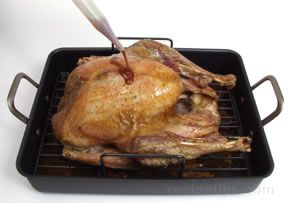
roasting, turkey, cooking, baking, Thanksgiving
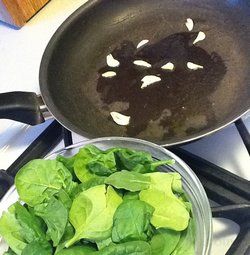
From fresh salads to sautéed side dishes, spinach makes a nutritious addition to any meal and cooking spinach is easy to do. Look for creative ways to use this leafy green vegetable in pasta, soup, casserole or other main dishes.
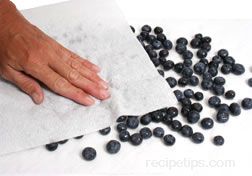
Because blueberries are very perishable, do not wash them until just before consuming or cooking. Blueberries do not need to be peeled, seeded, cored or trimmed before using.
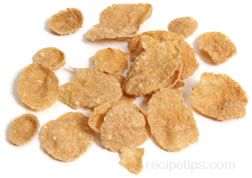
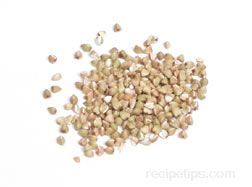
Described below are some of the products (including flour) created directly from various grains. Other than a few exceptions, products that are created after the grain has been ground into flour are not described, because they are so numerous.

When using substitutions for recipes calling for wine, the final product will not be the intended product but it should still impart great flavor.
White Wine Substitutions
Red Wine Substitutions
Non-alcoholic white wine
Non-alcoholic red wine
1/3 cup white grape juice + 1/2 tbsp.
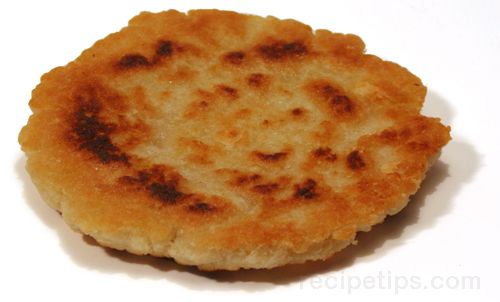
Flat Breads
Flat breads are made from both leavened and unleavened doughs. Both types have a general flat shape, although leavened flat breads are generally a bit taller and have a softer texture than unleavened flat breads.
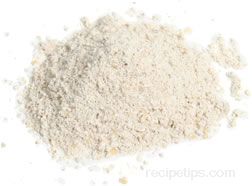
Types of Wheat Flour | Types of Non-Wheat FlourImportance of Gluten | Wheat/Non-Wheat Flour Proportions
Flour is the main ingredient in all types of breads. Different types of flour milled from wheat are most commonly used for making bread.
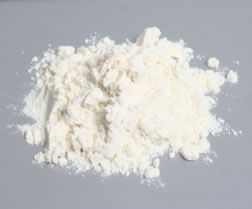
Tips - Home Flour Milling | Substitutions
Tips - Home Flour Milling
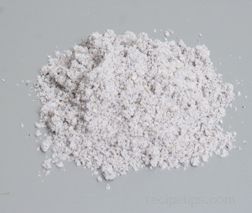
Amaranth Flour
Amaranth seeds are very small so they are difficult to grind into flour with conventional kitchen equipment.
Corn | Rice | Rye | Other Grains
Types of Flour Ground from Corn
Several varieties of corn are used to produce different types of corn flour. The degree in which the corn is milled and processed also determines the type of flour that is produced.
General Nutritional Facts of Grains | Specific Nutritional Facts of Individual Grains
General Nutritional Facts of Grains
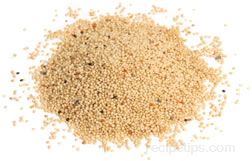
Grains are composed primarily of carbohydrates, but the quantity varies according to the type of grain.
General Guidelines | Recommended Storage Methods for Whole Grains
General Guidelines
Like many other foods, grains are perishable; however, the shelf life of grains is usually much longer than that of most foods.
Top 72 articles found
Displaying 61-72 | << Prev 20


Advertisement
Advertisement