
Loading
Search
We hope you found what you are searching for. If not, contact us and let us know what your want. We will do the work for you and get back to you when we're done.
steamer - Knowledge Search
Top 147 articles found
Displaying 61-80 | << Prev 20 | Next 20 >>
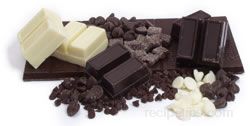
Chocolate is used in many candy recipes: cakes, cookies, and for decorating foods such as chocolate covered strawberries. Chocolate shapes, such as chocolate kisses are used in recipes such as Chocolate Drop Pretzels. We have many recipes for satisfying anyone's chocolate cravings.
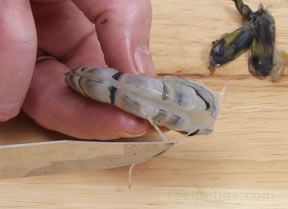
What You Will Need
Pairing Knife
Deveining Tool
Check for Freshness
Fresh shrimp should smell clean, refrain from shrimp that smells of ammonia.
At the fish market, fresh shrimp should be stored in or on ice.
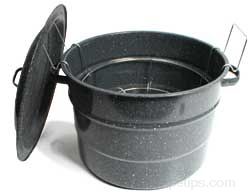
See More Information on Canning Vegetables and Fruits:Canning Preparation | Canning Temperatures and Processing TimesCanning Methods | Canning Safety, Storage, and Tips
Canning Supplies | Canning Ingredients
Canning is the process used to preserve fruits and vegetables for long term shelf storage.
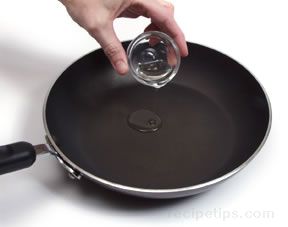
Sautéing | Pan-Frying | Stir-Frying | Deep-Frying | Grilling and BroilingBaking with Olive Oil | Smoke Point | Cooking Guidelines
Sautéing
Sautéing is a cooking process using high heat that browns and sears food quickly in a small quantity of oil or fat in a skillet.
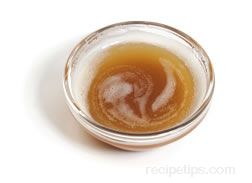
Most of the edible fats described below are solid or semisolid at room temperature and most are from animal sources. A small number of plant fats are also naturally solid or semisolid at room temperature.
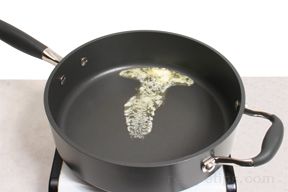
Method One: Traditional Frying Methods | Method Two: Egg Ring Frying Method
Frying is a cooking method that is convenient, fast, and easy to do. Whether eggs are cooked "sunny side up" or "over hard," frying is, perhaps, the most popular method for cooking eggs.
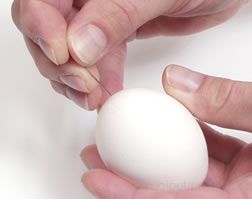
Method One: Cooked in the Shell | Method Two: Cooked in Coddling Dishes
A coddled egg is one that is cooked more slowly than a boiled egg, but basically, it yields similar results, except that the egg becomes quite tender, more so than with the hard-cooked method.
Cooking | Peeling | Serving
Using the term boiled when referring to eggs cooked in the shell can be misleading, because eggs known as "hard-boiled" should never be cooked at a full boil for the duration of the cooking time.
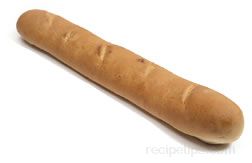
Bread Shapes | Bun and Roll Shapes
Bread Shapes
Bread and rolls are produced in all shapes and sizes, which are determined by a number of factors including:
The type of flour used for making the bread
Whether or not the bread is leavened
How the bread is used
Local or regional tradition
How the dough is cooked, such as baked, steamed, deep-fat fried, etc.
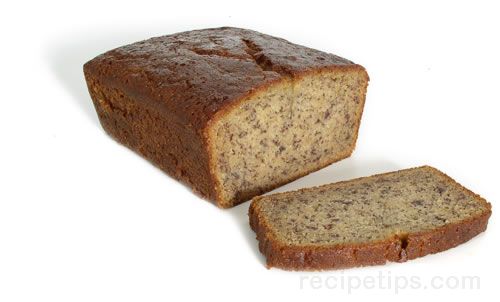
Quick Breads
Quick bread refers to breads that require minimal preparation time, are made from batter more often than from dough, and are leavened with chemical agents, such as baking soda or baking powder, instead of yeast or natural starters.
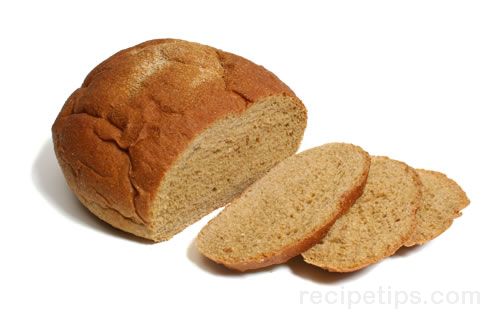
Enriched and/or Flavored Breads
Some basic yeast bread recipes are enhanced with other ingredients that change the characteristics of the bread including the texture, flavor, and color.
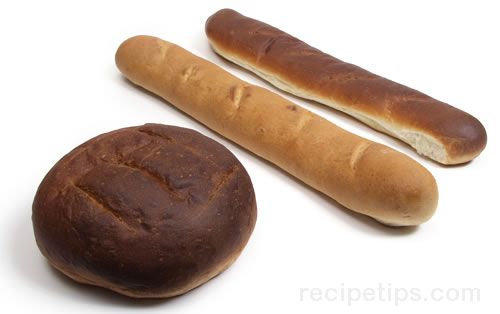
Basic breads are those that are made with a simple recipe of a few ingredients, are yeast leavened, and are usually easy for the home cook to prepare, requiring only basic bread making skills and simple pieces of kitchen equipment.
Chemical leavening agents allow bread dough to be prepared in minutes instead of hours. Chemical leavens, such as baking soda and baking powder, react immediately when combined with a liquid so they are mixed with the other dry ingredients before any liquid ingredients are added.
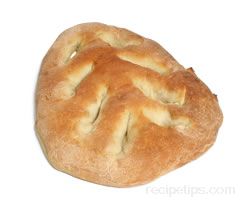
The most common method for bread baking is with the use of an indoor oven. The proper bread baking temperature is more readily achieved with a modern oven than with any other method.
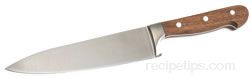
Construction | Handles | Blade Material | Cutting Edges | Knife VarietiesChoosing the Right Knife | Maintaining and Storing | Sharpening
To choose a knife that is of good quality and best fits your needs, you need a basic knowledge of the various parts and construction of a knife.
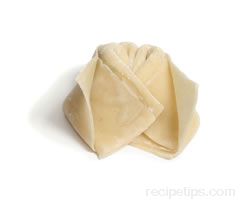
Whether you are preparing crab rangoons, potstickers or wontons, wrapping them easily can be a little intimidating. Consider the following as a way to wrap like a professional.
Working with prepared, packaged wonton skins or wraps is the easiest way to get started.
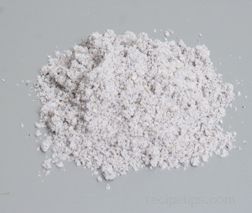
Corn | Rice | Rye | Other Grains
Types of Flour Ground from Corn
Several varieties of corn are used to produce different types of corn flour. The degree in which the corn is milled and processed also determines the type of flour that is produced.
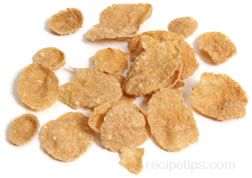
Described below are some of the products (including flour) created directly from various grains. Other than a few exceptions, products that are created after the grain has been ground into flour are not described, because they are so numerous.
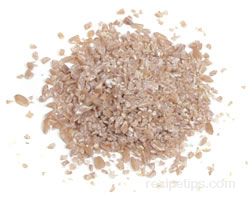
Described below are some of the products (including flour) created directly from wheat. Other than a few exceptions, products that are created after the grain has been milled into flour are not described, because they are so numerous.
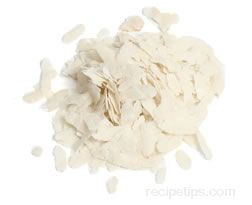
Described below are some of the products (including flour) created directly from rice. Other than a few exceptions, products that are created after the grain has been ground into flour are not described, because they are so numerous.
Top 147 articles found
Displaying 61-80 | << Prev 20 | Next 20 >>


Advertisement
Advertisement