
Loading
Search
We hope you found what you are searching for. If not, contact us and let us know what your want. We will do the work for you and get back to you when we're done.
healthy recipes - Knowledge Search
Top 56 articles found
Displaying 41-56 | << Prev 20
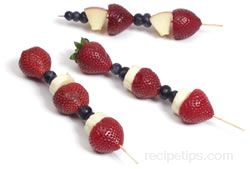
Make this a Red, White, and Blue summer with some of these ideas to add color to your celebration. Whether you are celebrating Memorial Day, the 4th of July, or welcoming our troops home, you will find these suggestions will add just the right touch to you special occasion.
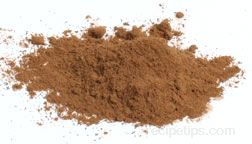
Use this food substitution and conversion chart to select ingredient substitutes when you are cooking and your recipe suggests ingredients you do not have available.
Herbs, Spices and Seasonings | Baking Ingredients | Cheese and Dairy Products | Eggs | Fats, Oils and Vinegars | Fruits and Vegetables | Miscellaneous | Healthy
Herbs, Spices and Seasonings Substitutions
Food
Amount
Substitute
Allspice
1 tsp
1/2 tsp cinnamon, 1/2 tsp ground cloves OR1/2 tsp ground cinnamon, 1/4 tsp.
Use the charts below to help determine how much to buy of the foods listed below when preparing a meal or a recipe for a specific number of people.
Pasta Buying Guide | Rice Buying Guide | Egg Buying Guide | Meat Buying Guides
Pasta Buying Guide
The quantities in the chart below are approximates only.

Steaming is a moist heat method of cooking. It results in tender and moist meat through the use of steam. When steaming meat, minimum shrinkage occurs, and it is one of the most healthy methods of cooking because no additional fat is used.
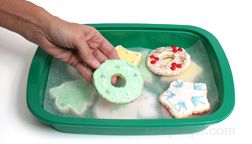
The holidays are all about celebrating with friends and family and enjoying homemade baking. With the holidays being so busy, its difficult to make everything from scratch. Why not host a party, inviting over a few close friends, and bake together, stocking your freezer with a delicious assortment of cookies and bars without spending several days in the kitchen?
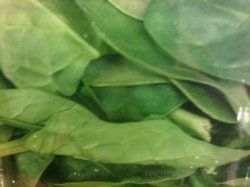
Fresh spinach leaves should be green in color with no brown spots. Spinach leaves are an incredibly versatile vegetable with many delicious uses. Selecting, preparing, and even growing your own fresh spinach leaves can be a simple task that results in a healthy nutritious addition to any meal.
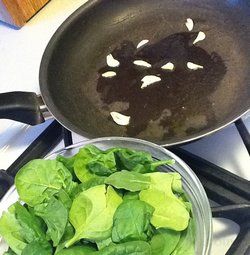
From fresh salads to sautéed side dishes, spinach makes a nutritious addition to any meal and cooking spinach is easy to do. Look for creative ways to use this leafy green vegetable in pasta, soup, casserole or other main dishes.
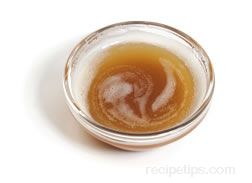
Most of the edible fats described below are solid or semisolid at room temperature and most are from animal sources. A small number of plant fats are also naturally solid or semisolid at room temperature.
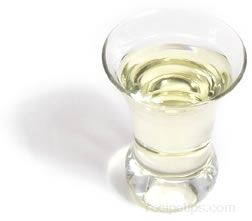
Oil Extraction Methods | Types of Edible Liquid FatsOlive Oil Basics | Types of Olive Oil
Oil Extraction Methods
There are numerous edible oils obtained from plant sources that are used for hundreds of culinary, pharmaceutical, and cosmetic products.
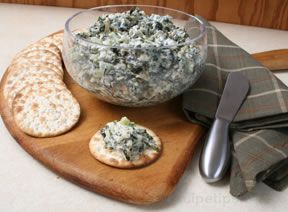
Types of Dips | Common Base Ingredients
Dips are most often prepared with a mixture of ingredients that complement other foods including raw vegetables, chips, crackers, or toast, which are dipped into the mixture; hence the name, dip.
Like braising and stewing, steaming is a moist heat cooking method that results in tender and flavorful beef through the use of steam. Unlike braising and stewing, the meat is not actually placed in water, but is suspended above it.
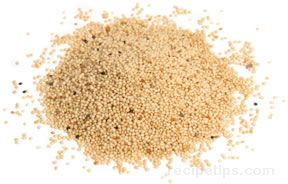
Amaranth | Corn | Millet
Frying is a dry heat cooking method that generally requires the use of a heavy-bottomed skillet and a small quantity of oil or fat to cook the food and prevent it from sticking to the pan.
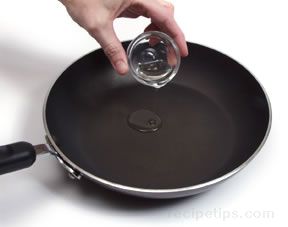
Sautéing | Pan-Frying | Stir-Frying | Deep-Frying | Grilling and BroilingBaking with Olive Oil | Smoke Point | Cooking Guidelines
Sautéing
Sautéing is a cooking process using high heat that browns and sears food quickly in a small quantity of oil or fat in a skillet.
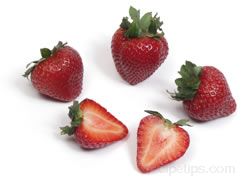
Strawberry Preparation | Strawberry Cooking | Freezing Strawberries | Tips
Strawberries
Large, juicy, red berries that are very sweet when ripe and grow on a low-growing perennial plant that has horizontal runners that spread along the ground.
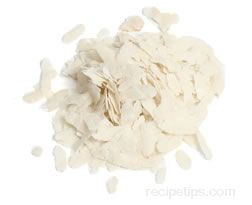
Described below are some of the products (including flour) created directly from rice. Other than a few exceptions, products that are created after the grain has been ground into flour are not described, because they are so numerous.
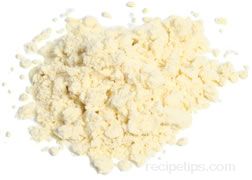
Described below are some of the products (including flour) created directly from corn. Other than a few exceptions, products that are created after the grain has been ground into flour are not described, because they are so numerous.
Top 56 articles found
Displaying 41-56 | << Prev 20


Advertisement
Advertisement