
Loading
Search
We hope you found what you are searching for. If not, contact us and let us know what your want. We will do the work for you and get back to you when we're done.
finishing sauce - Knowledge Search
Top 76 articles found
Displaying 41-60 | << Prev 20 | Next 16 >>
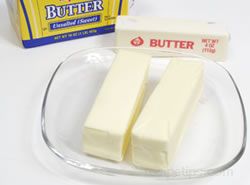
Clarified Butter | Brown Butter | Homemade Butter
Clarified Butter
Melting whole butter and removing the milk solids and water, produces clarified butter. It is a rich golden fat that is also referred to as drawn butter.
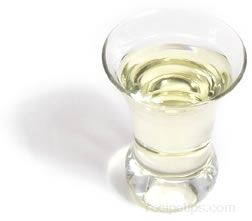
Oil Extraction Methods | Types of Edible Liquid FatsOlive Oil Basics | Types of Olive Oil
Oil Extraction Methods
There are numerous edible oils obtained from plant sources that are used for hundreds of culinary, pharmaceutical, and cosmetic products.
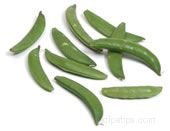
Fresh Pea & Pod Pea Preparation | Fresh Pea & Pod Pea CookingDried Field Pea Preparation | Dried Field Pea CookingPea Recipes | Tips
Peas
Varieties of small round legumes that are typically classified as fresh, field or pod peas.
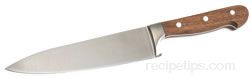
Construction | Handles | Blade Material | Cutting Edges | Knife VarietiesChoosing the Right Knife | Maintaining and Storing | Sharpening
To choose a knife that is of good quality and best fits your needs, you need a basic knowledge of the various parts and construction of a knife.
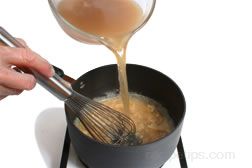
Useful Gravy Making Tools | Traditional Methods for Making GravyQuick Method for Making Gravy | Adjusting the Consistency | Gravy Making Tips
There are many recipes available for making turkey gravy, but you will find that most of them call for the use of the turkey drippings and the browned bits from the bottom of the roasting pan (formed as a result of oven roasting the turkey) combined with a small amount of fat, to produce gravy with the best flavor and color.
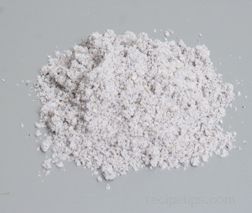
Corn | Rice | Rye | Other Grains
Types of Flour Ground from Corn
Several varieties of corn are used to produce different types of corn flour. The degree in which the corn is milled and processed also determines the type of flour that is produced.
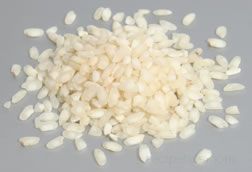
Classifications of RiceShort-grain Rice Varieties | Medium-grain Rice Varieties | Long-grain Rice Varieties
Some grains, such as rice, are available in many different types and varieties.
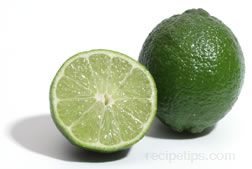
Lime Preparation | Lime Recipes | Tips
Limes
A small green citrus fruit providing juice or peel that is added to food dishes for a refreshing, tart flavor. It is the smallest of the citrus fruit family.
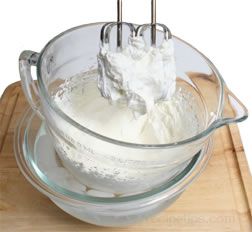
Types of Cream | Flavoring Whipped Cream | Preparing in Hot or Cold WeatherWhipping the Cream | Stabilizing Whipped Cream | Storing | Other Whipped Toppings
Whipping cream can be used for several purposes.
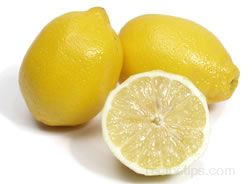
Lemon Preparation | Lemon Recipes | Tips
Lemons
An oval shaped, yellow citrus fruit with flesh that is generally contained in 8 to 10 segments. It has a bright yellow skin that can be thin and lightly textured or thick and heavier textured.
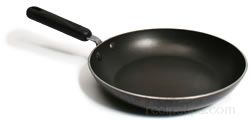
Sautéing | Pan-Frying
Sautéing
Sautéing is the technique of cooking thin cuts of lamb in a small quantity of hot fat in an uncovered pan. This is considered a 'dry heat' method because fat does not contain water.
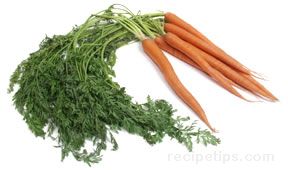
Carrot Preparation | Carrot Cooking | Tips
Carrots
A plant of the parsley family with feathery green leaves and an orange root that can be eaten raw or cooked.
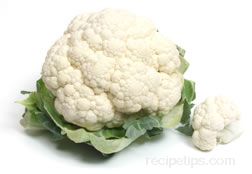
Cauliflower Preparation | Cauliflower Cooking | Tips
Cauliflower
A vegetable that consists of undeveloped white florets attached to a single stem that form a compact, cabbage-like head, called a curd.
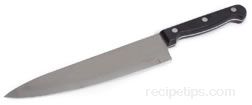
Knife Blades | Knife
Construction | Knife Handles | Types
of Knives
Maintaining and Storing Knives | Tools
for Sharpening Knives
There are hundreds of different types of knives.
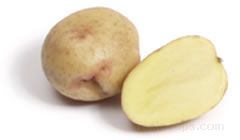
Tools for Preparation | Potato Preparation | Potato Cooking | Tips
Potatoes
The most popular tuber vegetable in the world. It is available in hundreds of varieties, which vary in size, shape, taste, color, and starch content.
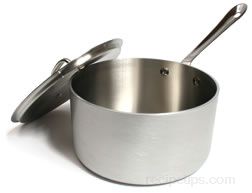
Cookware Materials | Types of Pots and Pans
Cookware consists of different types of pots and pans that are used for specific purposes. Some of the pieces of cookware can be substituted for a type you may not have and still accomplish the type of cooking you need to perform.
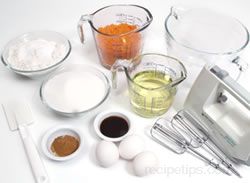
Reading the Recipe | Ingredient Preparation | Scaling Your Recipe
Knowing how to follow and read your recipe will help make your cooking or baking experience a success. Properly preparing your ingredients, using proper cooking times and temperatures, and proper bakeware or cookware all assist in the success of your end product.
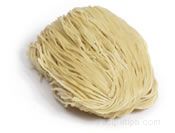
Asian Noodles
Asian noodles consist of strands that vary in shape, width, and length. Many Asian noodles are very long in length, symbolizing longevity. They can be thin straight sticks, flat strands, round strands, and wavy strands.

The appearance of the pasta can help you determine its quality. Dried pasta should be a translucent, creamy yellow color without any tint of gray. When held up to the light it should appear translucent, without signs of any air bubbles or dark specs.
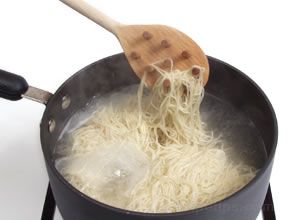
Noodles are fried to produce a crisp textured noodle. Frying can be accomplished by the use of two different methods, pan-frying and deep-frying. Both methods work on the principle of using hot oil to fry the noodles.
Top 76 articles found
Displaying 41-60 | << Prev 20 | Next 16 >>


Advertisement
Advertisement