
Loading
Search
We hope you found what you are searching for. If not, contact us and let us know what your want. We will do the work for you and get back to you when we're done.
chicken products - Knowledge Search
Top 48 articles found
Displaying 41-48 | << Prev 20
Ingredient Tips | Preparation TipsCooking & Baking Tips | Miscellaneous Tips
There are an endless number of kitchen tips available for you to try. Shown below are some popular tips that will help you in your everyday use of some common baking and cooking ingredients.
Organize Your Storage Area | Storage Charts
Storing your food properly and under the best condition possible will extend its life to its maximum potential. Some foods can be stored at room temperature and some must be refrigerated.
Reading the Recipe | Ingredient Preparation | Scaling Your Recipe
Knowing how to follow and read your recipe will help make your cooking or baking experience a success. Properly preparing your ingredients, using proper cooking times and temperatures, and proper bakeware or cookware all assist in the success of your end product.
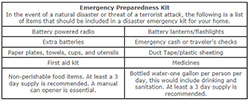
Food Safety Before, During, and After a Power Outage
Before
Keep frozen water jugs in your freezer. Frozen ice jugs will serve as ice blocks for the refrigerator/cooler and freezer, as well as drinking water in the event of a power outage.
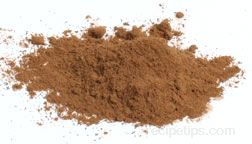
Use this food substitution and conversion chart to select ingredient substitutes when you are cooking and your recipe suggests ingredients you do not have available.
Herbs, Spices and Seasonings | Baking Ingredients | Cheese and Dairy Products | Eggs | Fats, Oils and Vinegars | Fruits and Vegetables | Miscellaneous | Healthy
Herbs, Spices and Seasonings Substitutions
Food
Amount
Substitute
Allspice
1 tsp
1/2 tsp cinnamon, 1/2 tsp ground cloves OR1/2 tsp ground cinnamon, 1/4 tsp.
Cleanliness | Contamination | Doneness | Pasteurization | Proper Storage
Cleanliness
It is important to follow the fundamental rules of cleanliness and proper hygiene when preparing eggs and egg products.
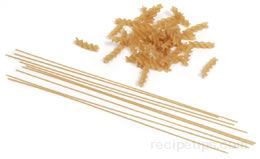
Pasta was once considered to be fattening and have very little nutritional value. Nutritional experts now realize the value of pasta in our diet. Grain based foods, such as pasta, are a good source of fiber and complex carbohydrates.

Pork is the meat from the carcass of a pig. The carcass is generally split into two sides of pork, each consisting of four primal cuts. Each primal consists of subprimal cuts that are divided into several specific market ready cuts.
Top 48 articles found
Displaying 41-48 | << Prev 20


Advertisement
Advertisement