
Loading
Search
We hope you found what you are searching for. If not, contact us and let us know what your want. We will do the work for you and get back to you when we're done.
short crust - Knowledge Search
Top 39 articles found
Displaying 21-39 | << Prev 20
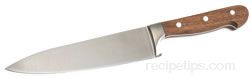
Construction | Handles | Blade Material | Cutting Edges | Knife VarietiesChoosing the Right Knife | Maintaining and Storing | Sharpening
To choose a knife that is of good quality and best fits your needs, you need a basic knowledge of the various parts and construction of a knife.
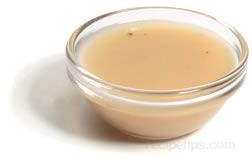
Flour Used as a Thickening Agent | Frying | Deep-Frying | Baking
Flour Used as a Thickening Agent
Flour is one of the most often used thickening agents when cooking foods such as sauces, gravies, soups, stews, and gumbos.
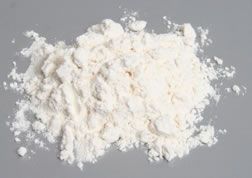
Types of Flour Ground from Wheat
One of the primary reasons for the popularity of wheat flour is due to its gluten forming capacity when the flour is mixed with liquid. Gluten is the substance that provides dough with elasticity and the ability to stretch as the leavening agent produces carbon dioxide gas, which enables the dough to rise effectively.
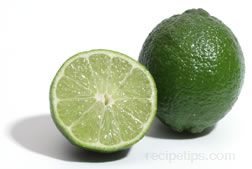
Lime Preparation | Lime Recipes | Tips
Limes
A small green citrus fruit providing juice or peel that is added to food dishes for a refreshing, tart flavor. It is the smallest of the citrus fruit family.
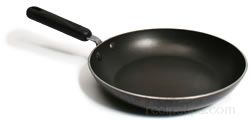
Sautéing | Pan-Frying
Sautéing
Sautéing is the technique of cooking thin cuts of lamb in a small quantity of hot fat in an uncovered pan. This is considered a 'dry heat' method because fat does not contain water.
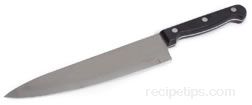
Knife Blades | Knife
Construction | Knife Handles | Types
of Knives
Maintaining and Storing Knives | Tools
for Sharpening Knives
There are hundreds of different types of knives.
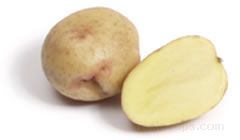
Tools for Preparation | Potato Preparation | Potato Cooking | Tips
Potatoes
The most popular tuber vegetable in the world. It is available in hundreds of varieties, which vary in size, shape, taste, color, and starch content.
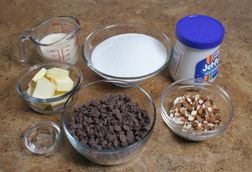
Dry Ingredients | Solid Ingredients | Liquid Ingredients | Fat Ingredients
There are many ingredients that have special functions in the baking and cooking process. Some functions are critical to the success of the finished product.
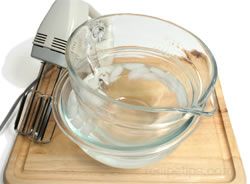
Ingredient Tips | Preparation TipsCooking & Baking Tips | Miscellaneous Tips
There are an endless number of kitchen tips available for you to try. Shown below are some popular tips that will help you in your everyday use of some common baking and cooking ingredients.
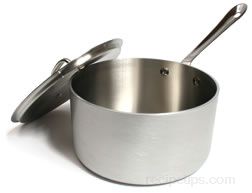
Cookware Materials | Types of Pots and Pans
Cookware consists of different types of pots and pans that are used for specific purposes. Some of the pieces of cookware can be substituted for a type you may not have and still accomplish the type of cooking you need to perform.
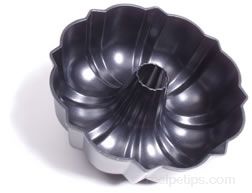
Bakeware Pan Sizes | Bakeware Materials | Types of Bakeware
Bakeware Pan Sizes
When you are preparing to create a recipe that requires the use of bakeware, you should first determine whether you have the proper size pan.
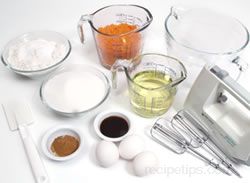
Reading the Recipe | Ingredient Preparation | Scaling Your Recipe
Knowing how to follow and read your recipe will help make your cooking or baking experience a success. Properly preparing your ingredients, using proper cooking times and temperatures, and proper bakeware or cookware all assist in the success of your end product.
Contamination Prevention | Doneness | Proper Storage | Safety and Handling Tips
Contamination Prevention
Shopping
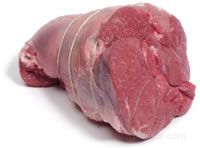
Make sure that lamb is among the last items selected when shopping, so that it is without refrigeration for as short of time as possible.
Direct
Indirect
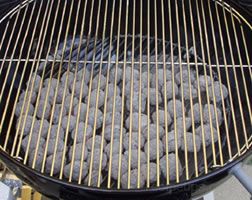
Understanding the two most popular grilling styles, Direct and Indirect, is essential for creating a perfect grilled entrée. There are instances when both Direct and Indirect methods are appropriate.
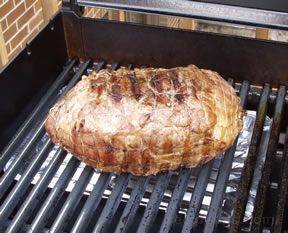
When pork is grilled or broiled at the proper cooking times and temperature, the meat will have a crisp flavorful outside coating with a moist center. Grilling and broiling are basically the same type of cooking method, using dry heat that quickly cooks the surface of the pork and then slowly moves to the middle.
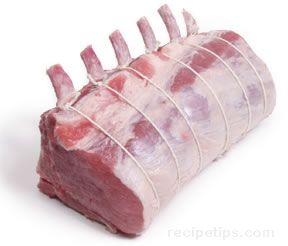
Pork today is leaner than ever before, decreasing the amount of fat in diets and resulting in health benefits for all ages. But, leaner pork also affects the way pork should be cooked.
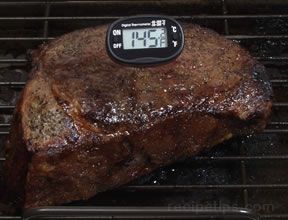
General Guidelines | Degree of Doneness | Meat Thermometers
General Guidelines
Even though harmful bacteria are usually only on the surface of whole beef cuts, there is growing concern that bacteria may be present in the internal portions of the meat as well, which is why it is now recommended that whole beef cuts be cooked to an internal temperature of not less than 145°F.
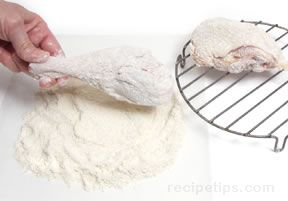
Frying chicken is a quick and simple way of cooking chicken where the cooking can be accomplished by the use of two different methods, pan-frying and deep-fat frying. Both methods work on the principle of using hot oil to cook the chicken, producing chicken with a crispy brown outside and juicy, flavorful meat inside.

Shopping Tips | Thawing Tips | Refrigerating Tips | Freezing TipsHandling and Safety Tips | Marinating Tips | Stuffing Tips | Trimming & Slicing TipsChecking Doneness | Roasting Tips | Frying Tips | Grilling & Broiling TipsSteaming Tips | Stir-fry Tips | Tenderness Tips | Light Tips | Cooking Tips
Shopping Tips:
Decide how much time and effort you want to use in preparing and cooking the cut you select.
Top 39 articles found
Displaying 21-39 | << Prev 20


Advertisement
Advertisement