
Loading
Search
We hope you found what you are searching for. If not, contact us and let us know what your want. We will do the work for you and get back to you when we're done.
rye bread - Knowledge Search
Top 42 articles found
Displaying 21-40 | << Prev 20 | Next 2 >>
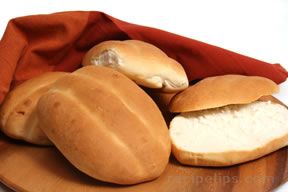
You can always count on not having leftovers when it comes to bread beside any entree. From garlic bread to corn bread, check out these fabulous recipes that makes each carbohydrate worth it!
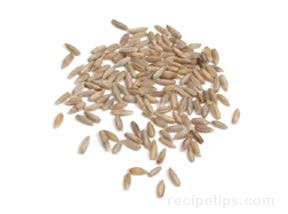
Hot Liquid Cooking Techniques for Grain | Cooking Rye
The three basic techniques for cooking rye with hot liquid are boiling, absorption, and steaming, which are perhaps the most popular methods for cooking most whole grains.
Leavening Agents | Liquids | SaltsFats and Oils | Sweeteners | Other Flavoring Ingredients
Leavening Agents
Leavening agents are the substances that allow bread dough to rise.
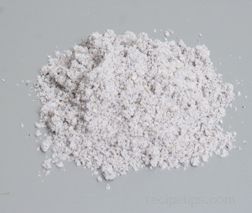
Corn | Rice | Rye | Other Grains
Types of Flour Ground from Corn
Several varieties of corn are used to produce different types of corn flour. The degree in which the corn is milled and processed also determines the type of flour that is produced.

Measuring Dry Ingredients | Weight Versus VolumeMeasuring Solid Fats | Measuring Liquid Ingredients
When making bread, it is critical to use precise measurements. Unlike general cooking in which precise measurements are often not as critical, inaccurate measurements in bread making (and most baked items) affect the chemical processes that occur during the preparation and baking.
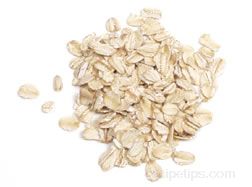
Microwaving Oatmeal | Microwaving Rice | Microwaving Rye
One of the most efficient and convenient methods for cooking grains is with the use of a microwave oven. The overall results can be very good if the grain is properly cooked in the microwave.
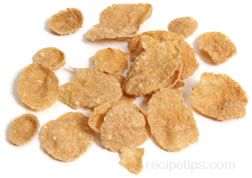
Described below are some of the products (including flour) created directly from various grains. Other than a few exceptions, products that are created after the grain has been ground into flour are not described, because they are so numerous.
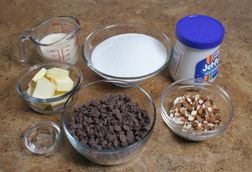
Dry Ingredients | Solid Ingredients | Liquid Ingredients | Fat Ingredients
There are many ingredients that have special functions in the baking and cooking process. Some functions are critical to the success of the finished product.
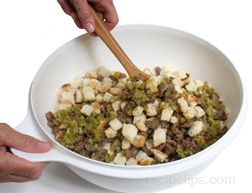
How to Make Stuffing
Ingredients | Prepare | Cooking | Other Meats | Safety | Tips
Stuffing is a side dish commonly associated with turkey and Thanksgiving but it can also be enjoyed throughout the year and with many types of meat.
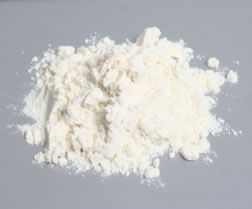
Tips - Home Flour Milling | Substitutions
Tips - Home Flour Milling
Amaranth Flour
Amaranth seeds are very small so they are difficult to grind into flour with conventional kitchen equipment.
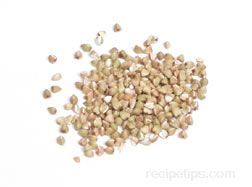

Whether you are serving classic cheese fondue or delectable chocolate dipping sauce, there are basic guidelines on how to fondue. We provide you with a good understanding of the fondue pot, accessories, safety procedures, and great ideas on dipping sauces and foods.
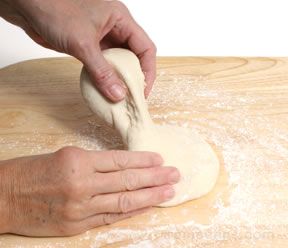
Nutritional Advantages | All About Gluten
Nutritional Advantages of Various Types of Flour
Most types of flour are composed mainly of carbohydrates, but the quantity varies according to the type of substance used to create the flour.
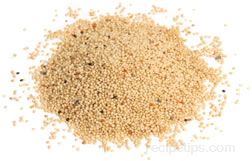
General Nutritional Facts of Grains | Specific Nutritional Facts of Individual Grains
General Nutritional Facts of Grains
Grains are composed primarily of carbohydrates, but the quantity varies according to the type of grain.
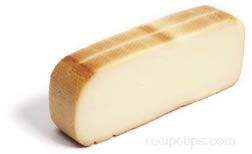
Cheeses of Germany and Austria
Allgauer Emmentaler
Allgauer Emmentaler is a German cow's milk cheese that is much like Swiss Emmental. It is characterized by large holes throughout the cheese and a texture that is somewhat hard.
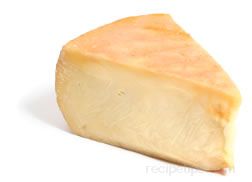
Cheeses of Belgium
Chimay
This cheese gets its name from the town in Belgium where it originated. It is produced under the historic guidance of the monks who originally produced cheeses within their Trappist monastery and community.

Food Related Allergies | Food Related Intolerances | Food Labeling
Food Related Allergies
Allergic reactions in humans are initiated by the immune system through an endless number of stimuli including bee stings, vinyl, metals, dust, cosmetics, medicines, and so on.
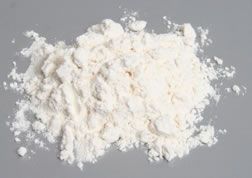
Most types of flour keep well in a sealed container in a cool, dry, and dark location. The original paper packaging used for many types of flour is fine for long term storage as long as the package has not been opened.
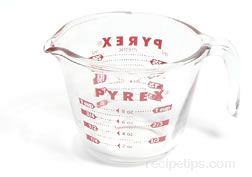
Individual graduated dry measuring cups are used to measure large quantities of flour while measuring spoons can be used to measure the smallest quantities.
When measuring flour, it is best to fill the measuring device until the flour is heaping above the rim.
Type of Flour
Where the Flour can be Purchased
Amaranth Flour
Commonly found in natural and health food stores
Specialty shops
Large food stores
Mail order suppliers
Arrowroot Flour
Some large food stores
Specialty shops
Natural and health food stores
Barley Flour
Natural and health food stores
Specialty shops
Large food stores
Buckwheat Flour
Natural and health food stores
Specialty shops
Kosher markets
Kosher sections of large food stores
Mail order suppliers
Corn Flour
Cornmeal, Corn Flour, and Cornstarch:
Most food stores
Hispanic markets
Atole Flour, Blue Cornmeal, Harinilla, and Masa Harina:
Hispanic markets
Specialty shops
Hispanic sections of some large food stores
Mail order suppliers
Farro Flour
Natural and health food stores
Specialty shops
Mail order suppliers
Flax Seed Meal/Flour
Natural and health food stores
Specialty shops
Well-stocked food stores
Garbanzo Bean Flour
Middle Eastern markets
Specialty shops
Natural and health food stores
Job's Tears Flour
Natural and health food stores
Some Asian markets
Mail order suppliers
Kamut® Flour
Natural and health food stores
Specialty shops
Millet Flour
Natural and health food stores
Mail order suppliers
Indian, African, and Korean markets
Some large food stores
Oat Flour
Large food stores
Natural and health food stores
Specialty shops
Quinoa Flour
Natural and health food stores
Some large food stores
Rice Flour
White Rice Flour:
Most large food stores
Natural and health food stores
Brown Rice Flour:
Natural and health food stores
Specialty shops
Sometimes found in large food store
Chinese, Japanese, Thai, Italian, Spanish, Middle Eastern, or any other market specializing in rice varieties native to a particular nation or region.
Top 42 articles found
Displaying 21-40 | << Prev 20 | Next 2 >>


Advertisement
Advertisement