
Loading
Search
We hope you found what you are searching for. If not, contact us and let us know what your want. We will do the work for you and get back to you when we're done.
pork cooking guide - Knowledge Search
Top 88 articles found
Displaying 21-40 | << Prev 20 | Next 20 >>
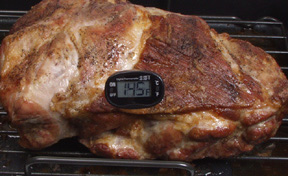
Checking doneness is accomplished in basically the same manner regardless of the cooking method you are using. While some methods are more accurate than others, there are certain cuts for which some methods will not be suitable.
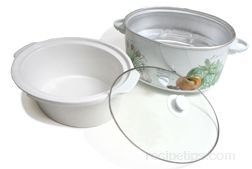
crock pot, slow cooking
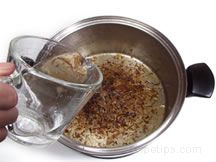
Braising and stewing are very similar moist heat methods of cooking. They both use the same process of searing to enhance color and flavor, and slow cooking in liquid to produce tender, moist meat.
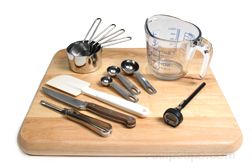
crock pot, slow cooking
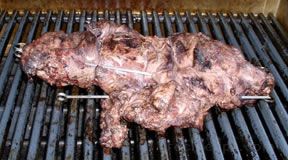
Dry Heat Cooking | Moist Heat Cooking
There are two general methods used for cooking lamb (and most other meats):Dry Heat Cooking and Moist Heat Cooking.
Dry Heat Cooking
When cooking lamb using dry heat cooking, the meat is in direct contact with a hot surface or close to the heat source.
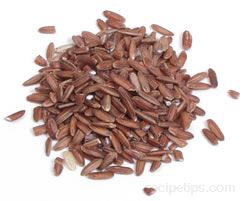
Cooking Rice with the Absorption Method | Cooking Paella | Cooking Risotto
Cooking Rice with the Absorption Method
Cooking rice with the absorption method is, perhaps, the method that most people are accustomed to when cooking rice, but it is often the most difficult.
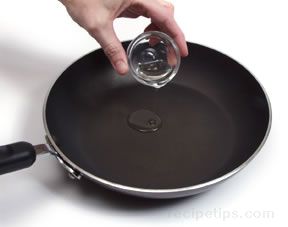
Sautéing | Pan-Frying | Stir-Frying | Deep-Frying | Grilling and BroilingBaking with Olive Oil | Smoke Point | Cooking Guidelines
Sautéing
Sautéing is a cooking process using high heat that browns and sears food quickly in a small quantity of oil or fat in a skillet.
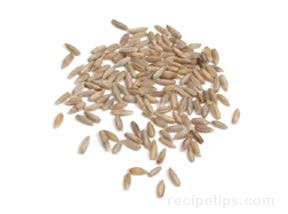
Hot Liquid Cooking Techniques for Grain | Cooking Rye
The three basic techniques for cooking rye with hot liquid are boiling, absorption, and steaming, which are perhaps the most popular methods for cooking most whole grains.
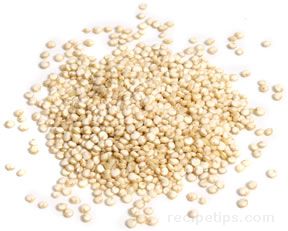
Hot Liquid Cooking Techniques for Grain | Cooking Quinoa
The three basic techniques for cooking quinoa with hot liquid are boiling, absorption, and steaming, which are perhaps the most popular methods for cooking most whole grains.
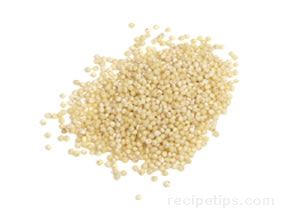
Hot Liquid Cooking Techniques for Grain | Cooking Millet
The three basic techniques for cooking millet with hot liquid are boiling, absorption, and steaming, which are perhaps the most popular methods for cooking most whole grains.
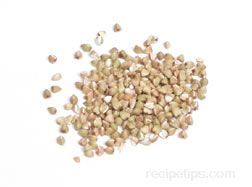
Hot Liquid Cooking Techniques for Grain | Cooking Buckwheat
The three basic techniques for cooking buckwheat with hot liquid are boiling, absorption, and steaming, which are perhaps the most popular methods for cooking most whole grains.
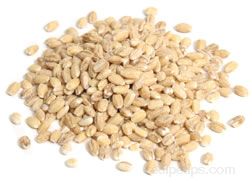
Hot Liquid Cooking Techniques for Grain | Cooking Barley
The three basic techniques for cooking barley with hot liquid are boiling, absorption, and steaming, which are perhaps the most popular methods for cooking most whole grains.
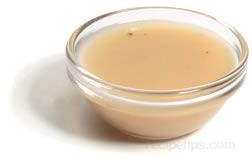
Flour Used as a Thickening Agent | Frying | Deep-Frying | Baking
Flour Used as a Thickening Agent
Flour is one of the most often used thickening agents when cooking foods such as sauces, gravies, soups, stews, and gumbos.
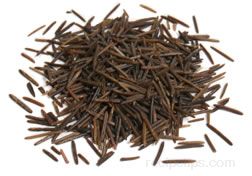
Hot Liquid Cooking Techniques for Grain | Cooking Wild Rice
The three basic techniques for cooking wild rice with hot liquid are boiling, absorption, and steaming, which are perhaps the most popular methods for cooking most whole grains.
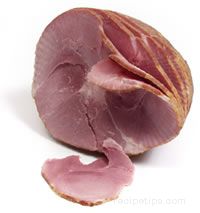
Ham Cooking Tips
Soak country hams prior to cooking to reduce their saltiness.
To remove rind easily off from a cooked ham, slit the rind lengthwise down the ham before cooking and cook with the slit side down.
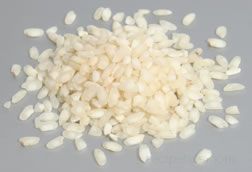
Cooking Techniques | Match the Type of Rice with the Proper Cooking Method
Cooking Techniques
The three basic techniques for cooking rice with hot liquid are boiling, absorption, and steaming, which are perhaps the most popular methods for cooking all whole grains.

There are several methods that can be used for thawing fresh frozen pork. Pork should never be thawed out on the kitchen counter because the outside of the meat will reach a temperature above 40°F while the inside is still frozen.
Pork does not have to be brined but it will provide juicier and more flavorful meat. Brining (or salting) increases the ability of the meat to hold moisture. Brining solutions will vary from a simple salt and water solution to a sweet brine in which sugar is added.
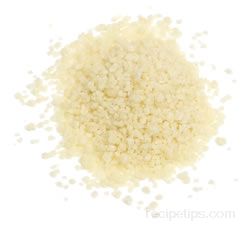
Couscous Defined | Cooking Couscous
The three basic techniques for cooking grains with hot liquid are boiling, absorption, and steaming, which are perhaps the most popular methods for cooking all whole grains.
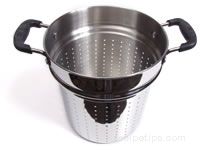
The basic cooking method most often used for cooking pasta is boiling. There are a few other methods used to cook specific types of pasta and Asian noodles. The other methods used are baking, deep-frying, and stir-frying.
Top 88 articles found
Displaying 21-40 | << Prev 20 | Next 20 >>


Advertisement
Advertisement