
Loading
Search
We hope you found what you are searching for. If not, contact us and let us know what your want. We will do the work for you and get back to you when we're done.
drying pasta - Knowledge Search
Top 79 articles found
Displaying 21-40 | << Prev 20 | Next 20 >>
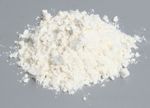
When making homemade pasta you will need to decide what type of flour you want to use. If making a flavored pasta that requires something other than a different variety of flour, you will need to purchase the necessary flavoring agent.
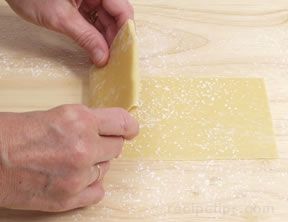
Homemade pasta can be cut into many shapes and sizes but the options
are limited in comparison to factory made dried pastas. Some shapes and
sizes can be cut by hand but many must be formed by the use of a machine
and special cutting rollers and dies.
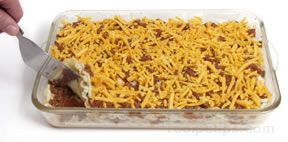
Baked pasta dishes have become very popular and are served as main courses, side dishes, or as the first course of a meal. There are many different baked dishes but one of the most popular and well known is lasagne.

Tips on Making Homemade Pasta
Strengthen your homemade pasta dough by substituting ½ cup or less of semolina flour in place of an equal amount of all-purpose flour.
If the pasta becomes sticky at any point while working with the dough, dust it lightly with flour.
Generally the color of the pasta is a result from the flavoring agent used in the pasta. The taste from the flavoring agents is most often fairly mild. Shown below are some of the most common flavoring agents and how to add them to your homemade pasta.
The equipment needed to make fresh homemade pasta consists of fairly basic items. At a minimum you will need a work surface, measuring cups and spoons, rolling pin, knife, and your hands for mixing and kneading.
When determining how much pasta to purchase, it is best to buy according to weight because it is difficult to measure the varying sizes and shapes of pasta. If following a recipe, purchase the amount required by the recipe.
The appearance of the pasta can help you determine its quality. Dried pasta should be a translucent, creamy yellow color without any tint of gray. When held up to the light it should appear translucent, without signs of any air bubbles or dark specs.
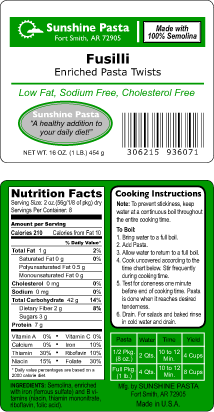
Reading the food label or package will supply you with information to help you make a selection on which pasta to purchase. It also includes nutritional information. Whether the pasta you are purchasing is fresh or dried, the food label will indicate the type of flour used to produce the pasta and what flavoring agents have been used, if any.
Light Tips for Pasta Dishes
Prepare dishes flavored with vegetables and herbs rather than meats and cream sauces.
When possible, use low-fat cheese, such as ricotta or cottage cheese in place of other cheeses.
There are many varieties of pre-made sauces available in food stores and specialty shops that can be used with all varieties of pasta. Experimenting with the pre-made sauces will be the best way to determine what fits your personal preference.
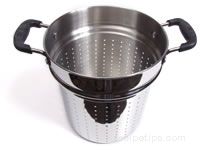
The basic cooking method most often used for cooking pasta is boiling. There are a few other methods used to cook specific types of pasta and Asian noodles. The other methods used are baking, deep-frying, and stir-frying.
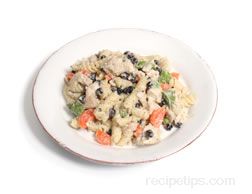
Making this Blueberry Pasta Salad recipe will become a summer time favorite. Follow the instructions below create a pasta salad that is quick and easy.
Blueberry Pasta Salad
This recipe calls for dried blueberries, which adds flavor and texture to the salad.
Use the charts below to help determine how much to buy of the foods listed below when preparing a meal or a recipe for a specific number of people.
Pasta Buying Guide | Rice Buying Guide | Egg Buying Guide | Meat Buying Guides
Pasta Buying Guide
The quantities in the chart below are approximates only.
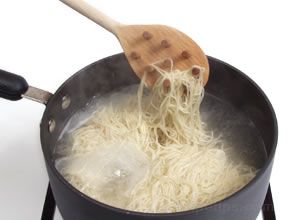
Noodles are fried to produce a crisp textured noodle. Frying can be accomplished by the use of two different methods, pan-frying and deep-frying. Both methods work on the principle of using hot oil to fry the noodles.
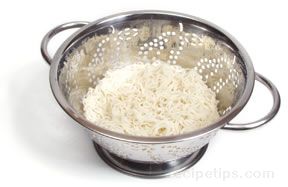
A wok, which has deep tapered sides, is a traditional type pan used for stir-frying. A wok works well but is not a necessity. A nonstick deep skillet also works very well. If rice noodles or mung bean noodles are going to be added to the stir-fry, they are sometimes deep-fried in the wok or deep skillet first and then set aside while other ingredients are stir-fried according to the recipe.
A wok, which has deep tapered sides, is a traditional type pan used for stir-frying. A wok works well but is not a necessity. A nonstick deep skillet also works very well. If rice noodles or mung bean noodles are going to be added to the stir-fry, they are sometimes deep-fried in the wok or deep skillet first and then set aside while other ingredients are stir-fried according to the recipe.
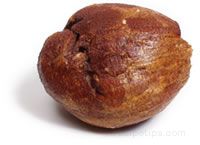
Hams | Raw Hams | Specialty Ham | Miscellaneous
Hams
Hams are cuts of pork that come from the leg, which have been dry cured (country hams) or wet-cured (city hams) and then boiled or smoked.
Dry Ingredients | Solid Ingredients | Liquid Ingredients | Fat Ingredients
There are many ingredients that have special functions in the baking and cooking process. Some functions are critical to the success of the finished product.
Top 79 articles found
Displaying 21-40 | << Prev 20 | Next 20 >>


Advertisement
Advertisement