
Loading
Search
We hope you found what you are searching for. If not, contact us and let us know what your want. We will do the work for you and get back to you when we're done.
wine tasting - Knowledge Search
Top 59 articles found
Displaying 1-20 | Next 20 >>

Wine Tasting I: Assessing by AppearanceWine Tasting II: Assessing by SmellWine Tasting III: Assessing by Taste
Wine Tasting I: Assessing by Appearance
Serving Temperature
Before beginning, determine the ideal serving temperature for the wine you will be tasting.
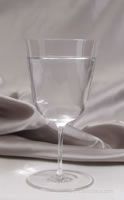
Buying Wine Glasses
Glasses designed for drinking wine have specific properties that have
been designed to intensify the sensory experience. The cost and quality
of a wine glass and how it affects the wine tasting experience has long
been debated.
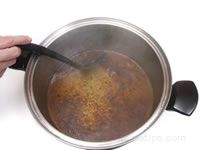
The reasoning behind cooking with wine is to intensify and enhance the flavor of food. Wine is known to release flavors in food that otherwise could not be experienced. The following are guidelines and tips particularly directed at the novice cook or a cook new to the world of cooking with wine.
The basic concept of pairing wine and food is to compliment and enhance the aroma and flavors of both the food and wine. Reds with heavier meals, whites for lighter meals, red wine with red meat, and white wine with white meat.
Holiday Wine | Holiday Ice Ring | Cranberry TeaHoliday Cocktail Tips | Wine for Turkey and Ham"User Friendly" Wines
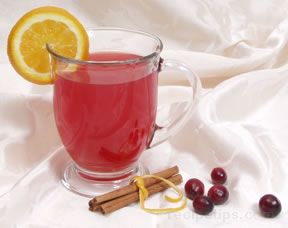
Cranberry Tea
Ingredients:
3 1/2 quarts water
1 pkg.
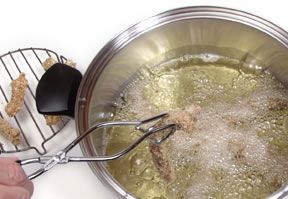
Purchasing Tips | Cooking Tips | Cooking Oil Care | Olive Oil Tasting
Oils and Fats Purchasing Tips
Purchasing Tips
A product labeled "whipped butter" is regular butter that has had air beaten into it in order to increase the volume and to make it easier to spread.
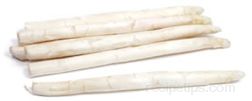
White asparagus is sweeter and milder than green asparagus. White asparagus is popular in Europe; in the U.S., it's a more of a specialty item. Look for it at farmer's markets or the produce section of gourmet grocery stores.
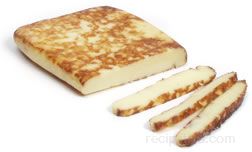
Cheeses of Denmark
Baked Cheese
Baked cheese is a type of specialty cow's milk cheese that is common in Denmark and other Scandinavian countries. The cheese is baked during the production process, developing a golden brown surface that has an appearance similar to a baked crepe.
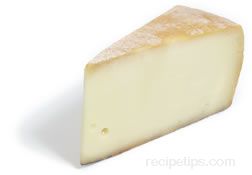
Cheeses of Switzerland
Appenzeller
Appenzeller is a traditional cow's milk cheese produced in Appenzell region of Switzerland. The cheese has a pale yellow-orange color and a firm texture.
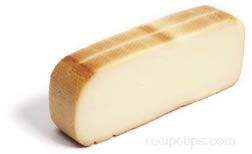
Cheeses of Germany and Austria
Allgauer Emmentaler
Allgauer Emmentaler is a German cow's milk cheese that is much like Swiss Emmental. It is characterized by large holes throughout the cheese and a texture that is somewhat hard.
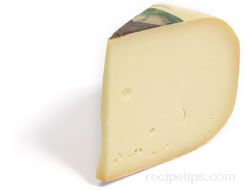
Cheeses of Holland
Boerenkaas
Boerenkaas is a farmhouse-style cheese that originated in Holland. The name comes from the Dutch words boer, which means farmer, and kaas, which means cheese.
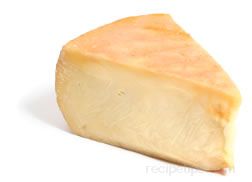
Cheeses of Belgium
Chimay
This cheese gets its name from the town in Belgium where it originated. It is produced under the historic guidance of the monks who originally produced cheeses within their Trappist monastery and community.
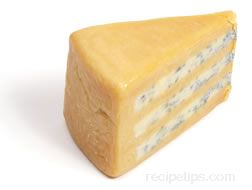
Cheeses of the British Isles: Huntsman English to Wensleydale
Huntsman English
Huntsman English cheese is a combination of Double Gloucester cheese and alternating inner layers of Stilton blue cheese.
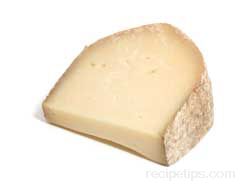
Cheeses of the British Isles: Berskswell to Gubbeen
Berkswell
Berkswell is a well known English hard cheese produced from sheep's milk in the Berkswell region of England.
Cheeses of Italy: Parmesan to Trugole
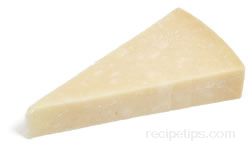
Parmesan
Parmesan is a well-known semi-hard to hard Italian cheese made from partially skimmed cow's milk. Parmesan cheese can be purchased as a young cheese or as an aged cheese.
Cheeses of Italy: Farmhouse to Mozzarella
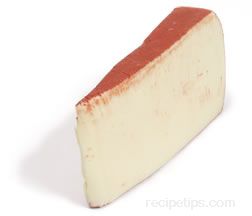
Farmhouse
A term commonly applied to any of the different types of European cheeses that are made by traditional cheese making methods and are produced from the raw milk of animals, such as cows, goats, and sheep that are raised on small regional farms, mountain chalet farms, or mountain huts.
Cheeses of Italy: Asiago to Crucolo
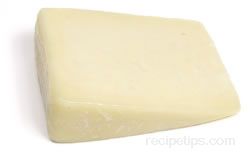
Asiago
A type of Italian cheese made from cow's milk. It has a hard texture and a nutty flavor. Like Parmigiano cheese, it is produced in the shape of a wheel.
Cheeses of France: Ossau-Iraty to Vacherin Mont d'Or
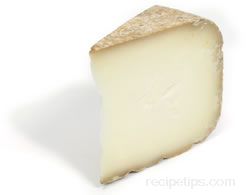
Ossau-Iraty
A French cheese made from raw (unpasteurized) sheep's milk. The sheep's milk used for the cheese is obtained from Manech or Basco-Béarnaise ewes that are raised along the Pyrenees mountain range in the Basque region of France.
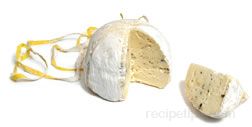
Cheeses of France: Gabietou to Neufchatel
Gabietou
Pronounced gah-bee-ay-too, this cheese is a mixture of one-third raw sheep's milk and two-thirds cow's milk. Originating in southwestern France, Gabietou Cheese is formed into wheels that range in weight from 6 to 10 pounds.
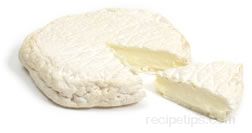
Cheeses of France: Camembert to Fromage Blanc
Camembert
Camembert cheese is French in origin, but it is also made in other European countries and the United States. It is made from cow's milk and when produced, it has a pale yellow color, a soft white rind, and a creamy texture.
Top 59 articles found
Displaying 1-20 | Next 20 >>


Advertisement
Advertisement