
Loading
Search
We hope you found what you are searching for. If not, contact us and let us know what your want. We will do the work for you and get back to you when we're done.
turkey preparation guide - Knowledge Search
Top 30 articles found
Displaying 1-20 | Next 10 >>
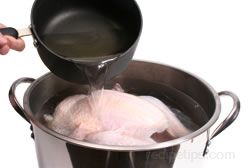
brine, turkey, how to, preparing a turkey, brining
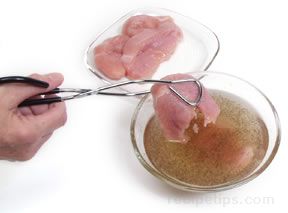
Marinating turkey can be done in order to add flavor to the meat as well as to tenderize it. The proper combination of acidic ingredients and seasonings should be maintained in order to achieve both.
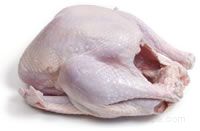
Thawing a frozen turkey should only be done in the refrigerator to ensure food safety. Read "Thawing Turkey" for more information.
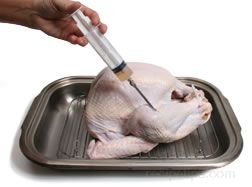
Flavor injecting turkey not only adds flavor to the meat but also results in a moist and juicy bird. The flavoring is injected into the meat of the turkey as opposed to rubs that only season the skin.
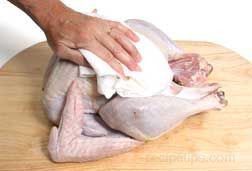
After the turkey has thawed, the packaging is removed. The neck and the giblets are usually found inside the body cavity so these can be removed and discarded, or if they are to be used, they should be washed with cold water and patted dry with paper towels.
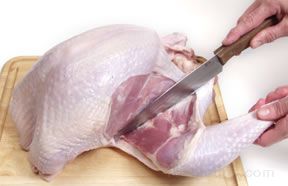
Cutting the Wings | Cutting the Legs | Cutting the Breast | Back Meat
Turkey parts such as wings, legs, and breasts can be purchased at most food stores already cut and packaged, but it is usually more economical to purchase a whole turkey and cut it up at home.
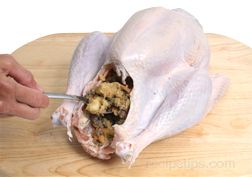
For the best results, the stuffing should be prepared immediately before the turkey will be stuffed, and the turkey should be stuffed immediately before it is ready to go into the oven.
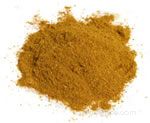
The use of a rub is one way to flavor turkey. A rub is basically a dry mix of herbs and spices that are applied to the raw meat and are allowed to permeate and flavor the meat over a period of time, usually overnight in the refrigerator.
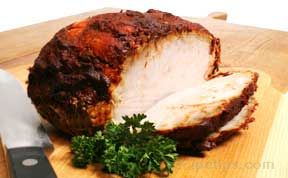
Turkey breast roasting times are important to creating delicious turkey recipes with turkey breast. For more details on roasting and other cooking methods, see Turkey Cooking Guide. Also learn more about turkey preparation with the complete Turkey Guide.
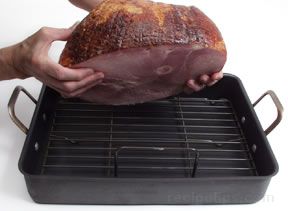
Some tasks to be aware of when preparing and baking a ham: thawing the ham properly, keeping a clean working area, and preparation for the cooking method being used. Most hams are prepared in the same basic manner for many of the ham recipes you will use.
crock pot, slow cooking
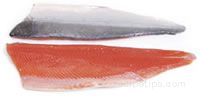
Thawing Fish | Salmon Preparation | Tips
Thawing Fish
Frozen fish can be cooked without thawing but the cooking time would need to be increased to cook it thoroughly. If the fish is going to be breaded, stuffed, broiled, fried or cooked in the microwave, it should be thawed completely first.
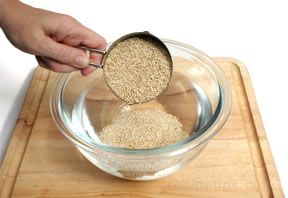
Cleaning/Rinsing Grain | Soaking Grain | Toasting Grain
Preparation of whole grains before cooking is fairly simple: most require only washing or soaking before they can be cooked.
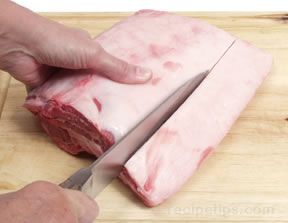
Thawing | Preparing a Rack of Lamb | Preparing a Crown RoastPreparing a Guard of Honor | Boning and Butterflying a Leg of Lamb | Grinding
Thawing
Lamb that has been frozen should never be defrosted at room temperature because harmful bacteria may grow rapidly under such conditions.
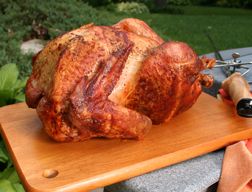
Rotisserie Grilling Turkey | Rotisserie Review | Turkey Doneness
For general guidelines on rotisserie grilling, see Rotisserie Grilling Basics.
Rotisserie Grilling Turkey
Whole Turkey | Turkey Parts
Rotisserie Grilling a Whole Turkey
It is important to first follow the proper setup procedures for the grill when cooking food with rotisserie grilling.
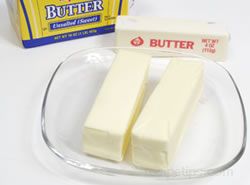
Clarified Butter | Brown Butter | Homemade Butter
Clarified Butter
Melting whole butter and removing the milk solids and water, produces clarified butter. It is a rich golden fat that is also referred to as drawn butter.
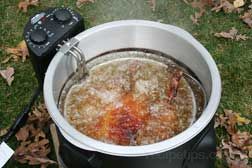
Safety First | Turkey Deep-Fry CookersSelecting the Oil | Measuring the Oil | Preparing the TurkeyPreparing the Cooker | Placing the Turkey into the Cooker | Cooking the Turkey
Deep-frying, also known as deep-fat frying, is a process of immersing food in a deep pot containing hot oil, which cooks the food quickly, producing a crispy surface over a tender and moist interior.
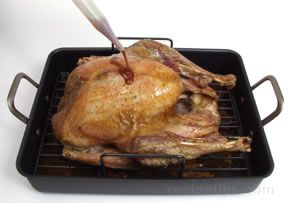
Procedure for Roasting a Turkey | Roasting Time Guidelines | Roasting a Turkey in an Oven-Safe Roasting Bag
Roasting is a dry heat cooking process and is one of the most popular methods used for cooking turkey.
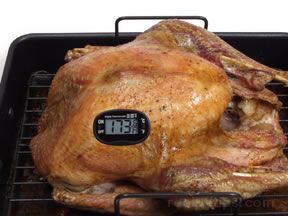
General Guidelines for Proper DonenessMeat Thermometers | Unsafe Cooking Methods
General Guidelines for Proper Doneness
Consider the Following Points whenDetermining the Proper Doneness of Turkey
A whole turkey should be cooked until the internal temperature of the breast meat reaches 170°F and the deepest portion of the thigh reaches 180°F.

Tips on Making Homemade Pasta
Strengthen your homemade pasta dough by substituting ½ cup or less of semolina flour in place of an equal amount of all-purpose flour.
If the pasta becomes sticky at any point while working with the dough, dust it lightly with flour.
Top 30 articles found
Displaying 1-20 | Next 10 >>


Advertisement
Advertisement