
Loading
Search
We hope you found what you are searching for. If not, contact us and let us know what your want. We will do the work for you and get back to you when we're done.
rib roast lamb - Knowledge Search
Top 31 articles found
Displaying 1-20 | Next 11 >>

Ribs
Lamb ribs that will be grilled or barbecued are cut from the breast
primal. The rib primal is reserved for tender rib chops and rib
roasts.
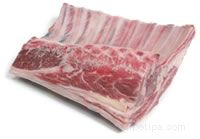
Roasting a rack of lamb is an impressive entrée to prepare for Easter or any special occasion. Roasted Rack of Lamb will be the main attraction on any dinner table. Use the appropriate lamb cooking times for proper doneness, and you will have a spectacular feast for any special dinner.
Oven Roasts
A cut of lamb suitable for oven roasting is usually a minimum of
2 inches thick. If not overcooked, the dry heat of oven roasting
enhances the flavor and tenderness of the lamb.
Roasts for Braising
Tougher cuts of lamb that contain a large quantity of collagen
(connective tissue) are ideal candidates for braising.
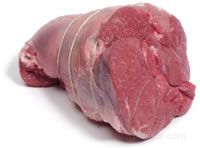
Leg of Lamb | Rack of Lamb | Rolled Shoulder | Saddle of Lamb
Carving a Leg of Lamb
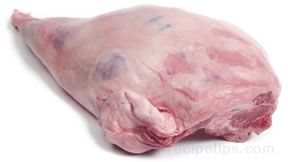
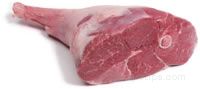
A leg of lamb is one of simplest roasts to carve. There are no complicated techniques involved and all that is required is a sharp knife and a means to steady the roast as it is being carved.
Dry Heat Cooking | Moist Heat Cooking
There are two general methods used for cooking lamb (and most other meats):Dry Heat Cooking and Moist Heat Cooking.
Dry Heat Cooking
When cooking lamb using dry heat cooking, the meat is in direct contact with a hot surface or close to the heat source.
Types of Lamb | Shoulder | Breast and ForeshankRib | Loin/Flank | Leg | Variety Meats | Special-Order Cuts
Lamb, the meat from the carcass of a young sheep, is a lean red meat with a mild, but distinctive flavor.
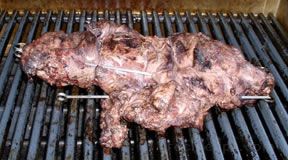
Rotisserie Grilling Lamb | Rotisserie Roasting a Whole Lamb | Doneness
For general guidelines on rotisserie grilling, see Rotisserie Grilling Basics.
Rotisserie Grilling Lamb
Cuts of lamb that have a basic cylindrical shape and a fairly even distribution of weight are suitable for cooking on a rotisserie.
Shopping | Roasting | Grilling and Broiling | SautéingGeneral Safety and Handling | Ground Lamb Safety and Handling | Nutrition
Shopping
When shopping for lamb, select lean cuts and use low fat cooking methods such as roasting, broiling, grilling, braising, or stewing.
The USDA recommends 2 or 3 servings of meat, fish, or poultry per day. One serving of cooked lamb is equal to 3 ounces and is about the size of a deck of cards. An average 3-ounce serving of lamb contains about 176 calories, which is comparable to many other types of red meat and poultry.
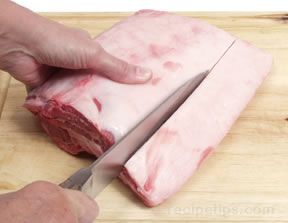
Thawing | Preparing a Rack of Lamb | Preparing a Crown RoastPreparing a Guard of Honor | Boning and Butterflying a Leg of Lamb | Grinding
Thawing
Lamb that has been frozen should never be defrosted at room temperature because harmful bacteria may grow rapidly under such conditions.
Selecting Cuts | Inspection and Grading | Look and Feel | Quantity to Buy
Selecting Cuts
A successful outcome in cooking lamb depends on matching the recipe or cooking method with an appropriate cut of lamb.
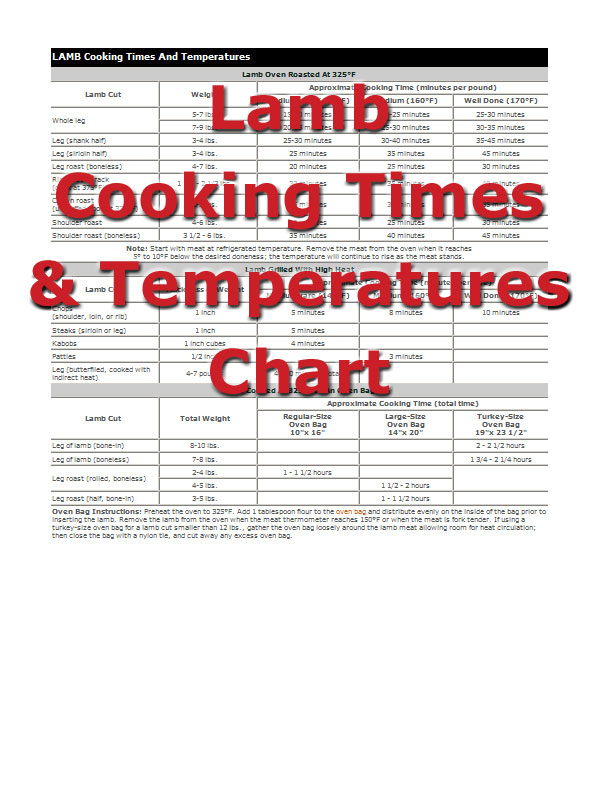
When cooking lamb, the proper lamb cooking time and the correct cooking temperature are extremely important. The optimum flavor and tenderness of various cuts of lamb can be consistently achieved when care is taken to follow the guidelines for the recommended lamb cooking times and cooking temperatures.
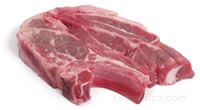
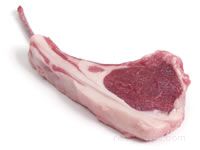
Chops
Chops are among the most popular fresh lamb cuts. The most tender
and expensive chops are cut from the loin and rib.
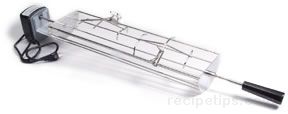
General Guidelines | Charcoal Grill | Gas Grill | Doneness | Roasting a Whole Lamb
Rotisserie cooking requires three key components: The spit assembly, a means to turn the spit, and a heat source for cooking.
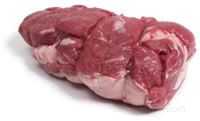
Braising | Stewing
Braising and stewing involve the slow cooking of meat in a liquid. This technique tenderizes and softens firm or tough cuts and allows for rich and subtle blending of the meat flavors with those of the liquid and seasonings.
Contamination Prevention | Doneness | Proper Storage | Safety and Handling Tips
Contamination Prevention
Shopping
Make sure that lamb is among the last items selected when shopping, so that it is without refrigeration for as short of time as possible.
General Guidelines | Degree of Doneness | Meat Thermometers
General Guidelines
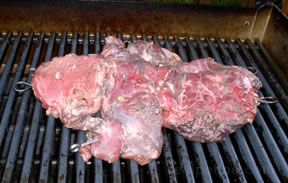
Because of growing concern that harmful bacteria may be present in the internal portions of meat, it is now recommended that whole lamb cuts be cooked to an internal temperature (after the resting period, if applicable) of not less than 145°F.
Miscellaneous Cuts
Whole cuts and scraps of fresh lamb can be rolled, cubed, or ground in a food store or meat market into various products that add convenience for the consumer.
Sautéing | Pan-Frying
Sautéing
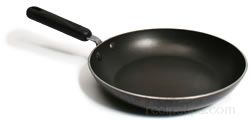
Sautéing is the technique of cooking thin cuts of lamb in a small quantity of hot fat in an uncovered pan. This is considered a 'dry heat' method because fat does not contain water.
Top 31 articles found
Displaying 1-20 | Next 11 >>


Advertisement
Advertisement