
Loading
Search
We hope you found what you are searching for. If not, contact us and let us know what your want. We will do the work for you and get back to you when we're done.
grilled pork roast - Knowledge Search
Top 49 articles found
Displaying 1-20 | Next 20 >>
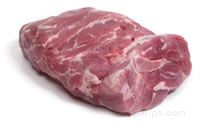
Pork Roasts
Generally a larger cut that is used to serve several people. Roasts can range in size from as small as 2 lbs. up to 20 lbs. or more. They are available from almost all the primal cuts and vary in tenderness and leanness, depending on the cut they are taken from.
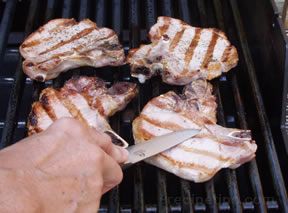
Grilling is a cooking method that uses a dry heat that quickly cooks the surface and then slowly moves to the middle of the meat. When grilled properly, the meat will have a crisp flavorful outside coating with a moist center. Grilling infuses the pork with a smoky flavor from the meat juices that drip during the grilling process.
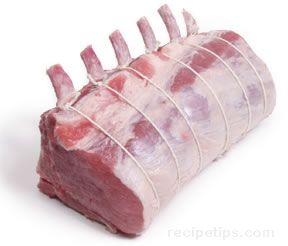
Pork today is leaner than ever before, decreasing the amount of fat in diets and resulting in health benefits for all ages. But, leaner pork also affects the way pork should be cooked.
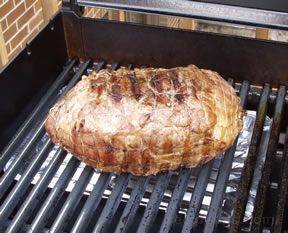
When pork is grilled or broiled at the proper cooking times and temperature, the meat will have a crisp flavorful outside coating with a moist center. Grilling and broiling are basically the same type of cooking method, using dry heat that quickly cooks the surface of the pork and then slowly moves to the middle.
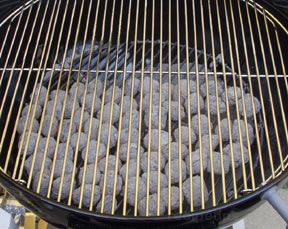
Grilling with Direct Heat | Grilling with Indirect Heat
Cooking with direct heat and cooking with indirect heat are the methods most often used when grilling. It is important to understand the differences between the two methods to ensure success when grilling.

Pork is the meat from the carcass of a pig. The carcass is generally split into two sides of pork, each consisting of four primal cuts. Each primal consists of subprimal cuts that are divided into several specific market ready cuts.
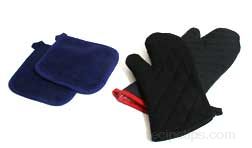
Personal Protection | Grills | Fuel Types | Fuel Ignition ToolsFlavor Enhancement | Utensils | Cookware | Screens and RacksBaskets | Thermometers | Miscellaneous Accessories | Cleaning Tools
The following items are typical of the types of equipment used for grilling food.
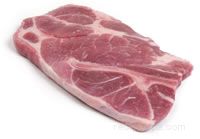
Pork Steaks
Steaks are individual cuts that are generally sliced from cuts that are used as roasts. They are most often sliced from roasts such as blade Boston roast, center loin roast, sirloin roast, and the fresh ham roast.
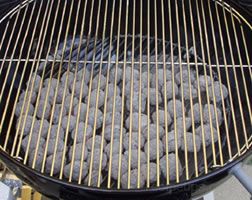
Direct
Indirect
Understanding the two most popular grilling styles, Direct and Indirect, is essential for creating a perfect grilled entrée. There are instances when both Direct and Indirect methods are appropriate.
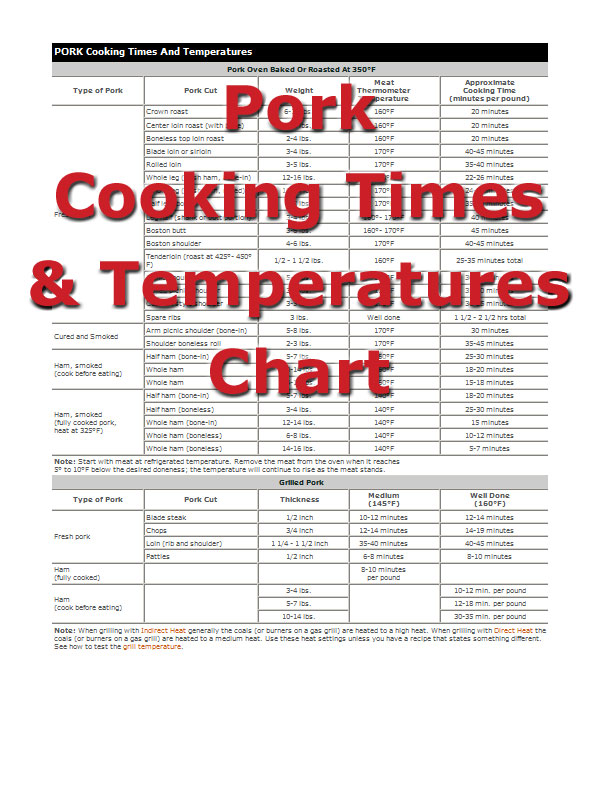
Pork cooking times and temperatures are extremely important when cooking pork. The optimum flavor and tenderness of various cuts of pork can be consistently achieved when care is taken to follow the recommended pork cooking time and temperature guidelines.
Pork does not have to be brined but it will provide juicier and more flavorful meat. Brining (or salting) increases the ability of the meat to hold moisture. Brining solutions will vary from a simple salt and water solution to a sweet brine in which sugar is added.
There are several methods that can be used for thawing fresh frozen pork. Pork should never be thawed out on the kitchen counter because the outside of the meat will reach a temperature above 40°F while the inside is still frozen.
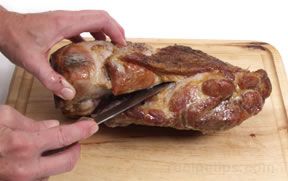
The larger pork cuts will need to be carved into smaller pieces for serving. Before carving, the meat should stand for 10 to 15 minutes after it is removed from the heat source.
Shopping Tips | Thawing Tips | Refrigerating Tips | Freezing TipsHandling and Safety Tips | Marinating Tips | Stuffing Tips | Trimming & Slicing TipsChecking Doneness | Roasting Tips | Frying Tips | Grilling & Broiling TipsSteaming Tips | Stir-fry Tips | Tenderness Tips | Light Tips | Cooking Tips
Shopping Tips:
Decide how much time and effort you want to use in preparing and cooking the cut you select.
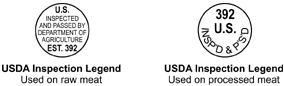
Tips on Selecting Cuts | Terms | Description of Cuts | Inspection and GradingRead the Label | Look and Feel | Quantity to Buy | Purchasing in Quantity
When shopping for pork there are several things that you need to consider so that you will be assured of purchasing the correct quantity, quality and type of pork to satisfy your needs.
The Thicker Cut
Thicker cuts of meat can be a challenge to grill so that they have a nice flavorful, crisp outer surface with a juicy tender middle. They are cuts that are too thick to be grilled with just direct heat but are not as thick as a cut that requires a long period of indirect heat, such as a roast.
Microwaving is a quick and convenient method of cooking pork. When cooked properly in the microwave, the results will be a juicy, tender cut of pork. Although the flavor of the meat will not be enhanced as it is with other cooking methods, such as frying, grilling, sautéing, stir-frying and roasting, pork has the ability to absorb flavors, so its taste can be enhanced by the use of many herbs, spices and other flavorings.
Pork producers today have significantly changed production methods to produce much leaner meat than 25 years ago. Better breeding and feeding of the hogs and a grading system that stimulates the meat packers to trim more of the external fat than they did in the past has resulted in leaner meat.
Contamination Prevention | Cooking Safety | Proper Storage
When working with pork it is essential that the meat is handled and stored properly to ensure safety. You cannot see the harmful bacteria on the meat so you must handle it as if it is present.
Tenderness Tips
Avoid freezing whenever possible to eliminate moisture loss that occurs during thawing. The moisture loss in thawing results in less tender meat.
Keep pork from drying out in the refrigerator by keeping it tightly wrapped.
Top 49 articles found
Displaying 1-20 | Next 20 >>


Advertisement
Advertisement