
Loading
Search
We hope you found what you are searching for. If not, contact us and let us know what your want. We will do the work for you and get back to you when we're done.
blend wine - Knowledge Search
Top 43 articles found
Displaying 1-20 | Next 20 >>

Wine Tasting I: Assessing by AppearanceWine Tasting II: Assessing by SmellWine Tasting III: Assessing by Taste
Wine Tasting I: Assessing by Appearance
Serving Temperature
Before beginning, determine the ideal serving temperature for the wine you will be tasting.
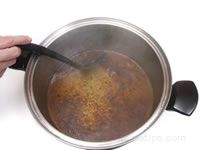
The reasoning behind cooking with wine is to intensify and enhance the flavor of food. Wine is known to release flavors in food that otherwise could not be experienced. The following are guidelines and tips particularly directed at the novice cook or a cook new to the world of cooking with wine.
Labeling requirements vary significantly from country to country. Specific information that is required to be on the label is governed by the local laws at the point of sale where the wine is marketed, rather than where it is produced.
Before Opening
Wine to be consumed within a few weeks
Keep bottles in a cool, dry place away from direct sunlight and
vibration.

Buying Wine Glasses
Glasses designed for drinking wine have specific properties that have
been designed to intensify the sensory experience. The cost and quality
of a wine glass and how it affects the wine tasting experience has long
been debated.
"User Friendly" Wines
Gatherings of friends and family should be a time of celebration and enjoyment, not stress. The following is a general selection of wines that work with most dishes.
Hints
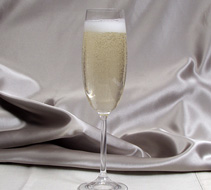
Quickly chill wine by placing bottle in a bucket of ice water rather than in the freezer. Leave in ice water approximately 10 minutes.
Chill sparkling wine in the refrigerator for at least four hours before serving.
The basic concept of pairing wine and food is to compliment and enhance the aroma and flavors of both the food and wine. Reds with heavier meals, whites for lighter meals, red wine with red meat, and white wine with white meat.
When using substitutions for recipes calling for wine, the final product will not be the intended product but it should still impart great flavor.
White Wine Substitutions
Red Wine Substitutions
Non-alcoholic white wine
Non-alcoholic red wine
1/3 cup white grape juice + 1/2 tbsp.
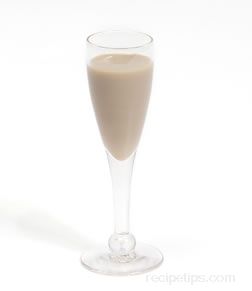
The alcoholic beverages that have become synonymous with Ireland are Irish whiskey, dry stout, ale, wine geese, and Irish cream. Among the non-alcoholic beverages that are Irish favorites, tea is perhaps the most popular; in fact, the Irish consume more tea per capita than any other nation.
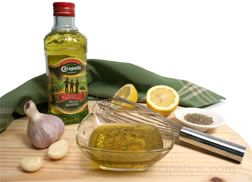
Marinating | Marinades | Rubs | Rub Spices and Seasonings
Marinating
Soaking various cuts of meat in a marinade is a good method for adding flavor as well as helping to tenderize the meat.
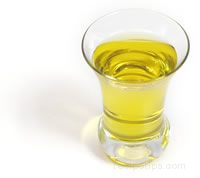
Marketing Methods | Quality Factors | Purchasing Tips | Read the Label
Olive oil has been a staple in the Mediterranean diet for centuries and has also become very popular in the United States as well.
Marinating | Marinades | Rubs | Rub Spices and Seasonings
Marinating
Soaking various cuts of meat in a marinade is a good method for adding flavor as well as helping to tenderize the meat.
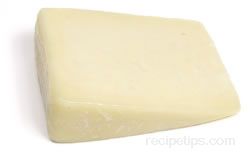
Cheeses of Italy: Asiago to Crucolo
Asiago
A type of Italian cheese made from cow's milk. It has a hard texture and a nutty flavor. Like Parmigiano cheese, it is produced in the shape of a wheel.
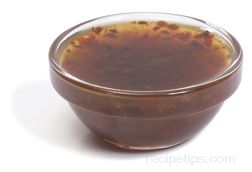
Chili or Chile Sauce
A sauce or condiment that can be made from any one of many different chili peppers, depending on the desired intensity and flavor. This sauce may be blended with vinegar, herbs, garlic, and other seasonings to produce a somewhat sweet and spicy flavored chili sauce that can be red, green, yellow, or brown in color.
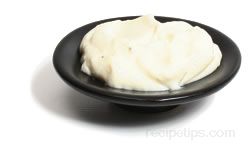
White Sauces | Brown Sauces | Tomato Sauces (or Red Sauces) | Egg Yolk and Butter SaucesEgg Yolk and Oil Sauces | Oil and Vinegar Sauces | Flavored Butter Sauces
White Sauces
In French cooking, traditional white sauces are one of two types: those made with hot milk added to a white roux (such as Béchamel sauce or Mornay sauce) or sauces made with hot broth or stock added to a white roux (such as Velouté sauce).
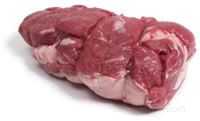
Braising | Stewing
Braising and stewing involve the slow cooking of meat in a liquid. This technique tenderizes and softens firm or tough cuts and allows for rich and subtle blending of the meat flavors with those of the liquid and seasonings.
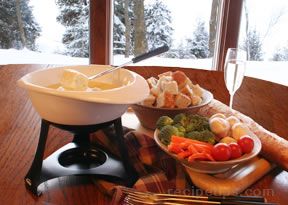
Whether you are serving classic cheese fondue or delectable chocolate dipping sauce, there are basic guidelines on how to fondue. We provide you with a good understanding of the fondue pot, accessories, safety procedures, and great ideas on dipping sauces and foods.
Top 43 articles found
Displaying 1-20 | Next 20 >>


Advertisement
Advertisement