
Loading
Search
We hope you found what you are searching for. If not, contact us and let us know what your want. We will do the work for you and get back to you when we're done.
beef steaks - Knowledge Search
Top 45 articles found
Displaying 1-20 | Next 20 >>
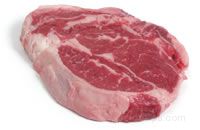
SteaksSteaks are among the most popular fresh beef cuts. The best steaks, in terms of tenderness, are from the loin and include the Filet mignon, Porterhouse, T-bone, and top loin strip.

Beef is the name given to meat obtained from the carcasses of cattle. Each primary beef cut is known as a primal cut, which are groups of muscles from the same area of the beef carcass. The beef primal cuts include the chuck, rib, short loin, round, brisket, plate, and flank.
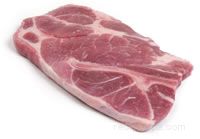
Pork Steaks
Steaks are individual cuts that are generally sliced from cuts that are used as roasts. They are most often sliced from roasts such as blade Boston roast, center loin roast, sirloin roast, and the fresh ham roast.
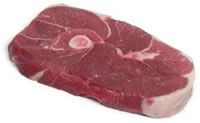
Steaks
Lamb steaks are usually cut from the leg. Small, expensive steaks
are cut from the loin and are known as medallions or noisettes.
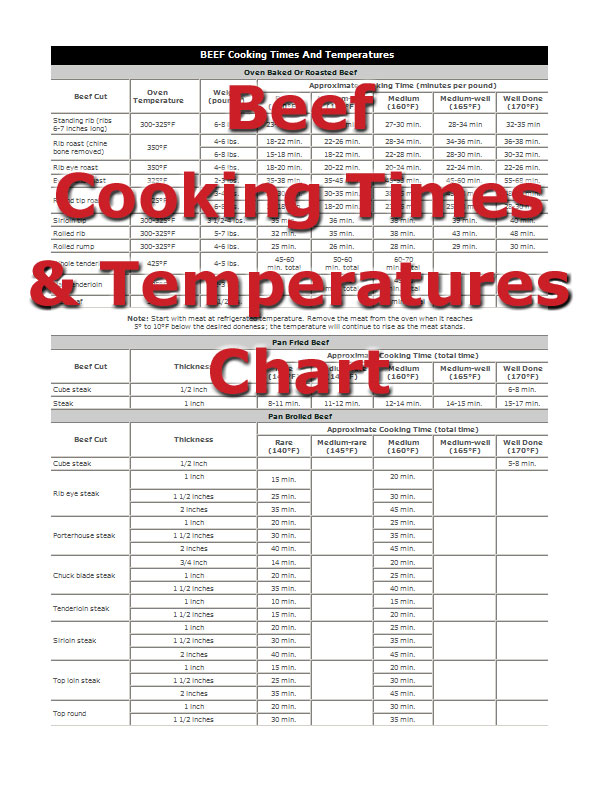
The proper beef cooking times and the correct beef cooking temperatures are extremely important. The optimum flavor and tenderness of various cuts of beef can be consistently achieved when care is taken to follow the recommended time and temperature guidelines for cooking beef.
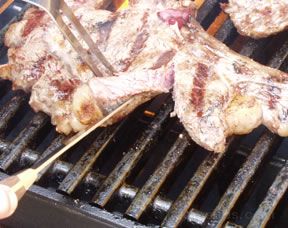
The high heat of grilling sears the surface of beef, creating tender meat with a flavorful crust. The required cooking temperature and the method of grilling (direct, indirect, or a combination) depends on the cut of beef and the quality of the meat.
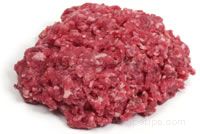
Miscellaneous CutsSome fresh beef cuts or scraps are ground, rolled, tenderized, cubed, or sliced in food stores or meat markets into various products that add convenience for the consumer.
Shopping | Thawing | Marinating | Rubs | Cooking | CarvingGeneral Safety and Handling | Ground Beef Safety and Handling | Nutrition
Shopping
Lean boneless cuts yield up to 4 servings per pound.
Miscellaneous Products
Frozen Whole Beef Cuts
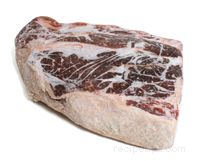
Whole fresh beef cuts may be packaged and frozen before they are purchased by the consumer.
Barbecued Beef Ribs
There are several brands of beef ribs that have been fully cooked with barbecue sauce added.
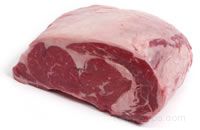
The proper beef roast cook times and the correct beef cooking oven temperatures are extremely important. The optimum flavor and tenderness of various beef roasts can be consistently achieved when care is taken to follow the recommended time and temperature guidelines for cooking beef roasts.
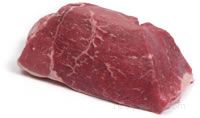
Beef cuts should be selected according to the planned method of cooking. For example, if beef is to be cooked on a grill, a tougher cut from the round or plate should not be purchased, unless the intention is to tenderize the meat before cooking it.
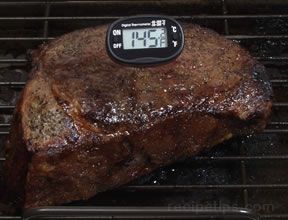
General Guidelines | Degree of Doneness | Meat Thermometers
General Guidelines
Even though harmful bacteria are usually only on the surface of whole beef cuts, there is growing concern that bacteria may be present in the internal portions of the meat as well, which is why it is now recommended that whole beef cuts be cooked to an internal temperature of not less than 145°F.
The poaching process cooks beef with the use of simmering liquid in a covered pan. The liquid is brought to a boil, the beef is placed in the boiling liquid, the heat is reduced so that the liquid is at a gentle simmer, and the pan is covered.
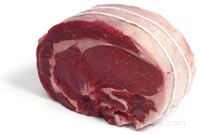
Many cuts of beef purchased at a food store or specialty meat market are ready to cook, but some cuts may need additional trimming or boning before they can be cooked. If extra calories and saturated fat are an issue, then it is best to remove as much external fat as possible.

USDA Mandatory Inspection | USDA Optional Grading | Religious Restrictions
USDA Mandatory Inspection
All beef sold in the United States must pass inspection by the Food Safety and Inspection Service (FSIS) of the United States Department of Agriculture (USDA).
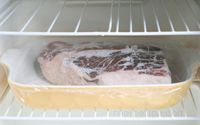
Refrigerator Method | Microwave MethodDefrosting Time | Additional Thawing and Defrosting Tips
Refrigerator Method
(Recommended)
Frozen beef should not be defrosted at room temperature.
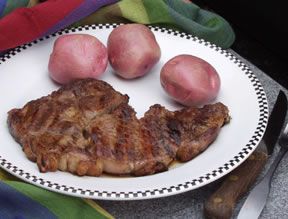
The high heat of grilling sears the surface of beef, creating tender meat with a flavorful crust. The required cooking temperature and the method of grilling (direct, indirect, or a combination) depends on the cut of beef and the quality of the meat.
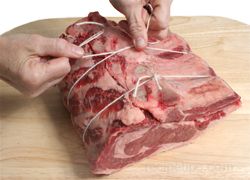
Tying a Rib Roast | Tying a Tenderloin | Tying a Top Blade Chuck Roast
Tying various cuts of beef is a good way to hold the shape of a roast, to keep the cut of beef in a compact form, and to make sure that the meat will be cooked evenly.
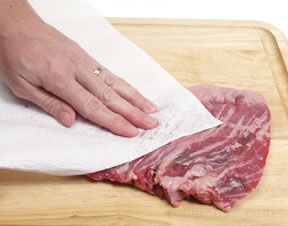
Sautéing is a cooking process using high heat that quickly browns and sears beef in a small quantity of oil in a skillet. It is actually the same process as searing except that sautéing completely cooks the meat and searing is simply a means to brown the meat so that the cooking process can be completed with another method.
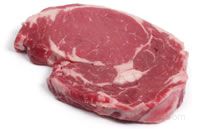
Oven-Broiling | Pan-Broiling
Broiling is much like grilling in that food is cooked directly with high heat. The difference between broiling and grilling is that broiling is usually done in an oven and the heat source is above the food (except when pan-broiling) whereas grilling is done on equipment that is generally used outdoors and the heat source is below the food.
Top 45 articles found
Displaying 1-20 | Next 20 >>


Advertisement
Advertisement