
Loading
Search
We hope you found what you are searching for. If not, contact us and let us know what your want. We will do the work for you and get back to you when we're done.
wine bottle opener - Glossary Search
Top 15 glossary terms found
Displaying 1-15
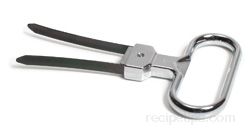
Any type of utensil used for removing the cork from wine bottles, also referred to as a "Cork Remover".
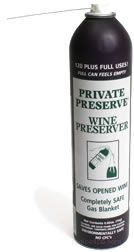
A utensil that removes excess oxygen remaining in an opened bottle of wine in order to preserve the flavor of the wine for a longer length of time.

An alcoholic beverage made from the fermented juice of fruits and vegetables. Grapes account for the largest segment of wine making.
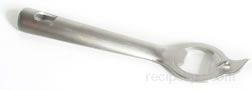
A kitchen utensil that is used to enable bottles and cans to be easily opened with leverage. The opener is formed with a die-cut opening that enables this utensil to be angled over a cap so it can be lifted up to remove crimped caps from the top of bottles.
An unpleasant "nose" that presents itself when a bottle of wine is opened. The odor is caused by metal contamination during the ageing or wine making process.
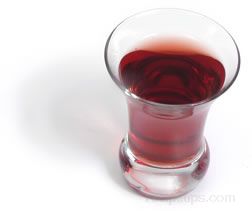
An unpleasant "nose" that presents itself when a bottle of wine is initially opened. The offensive odor is an indication that the wine is unfit for consumption.
An unpleasant "nose", similar to the odor of rotten eggs, that presents itself when a bottle of wine is opened.
An unpleasant "nose" that presents itself when a bottle of wine is initially opened. The odor is most often the result of rotten grapes or unclean casks.
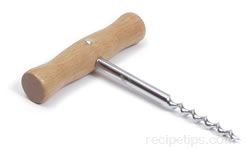
A utensil used for pulling the cork up and out from the opening of wine bottles. There are many varieties available, but four basic types are the most commonly used.
A method of allowing wine to rest for several minutes after pouring. Some bottled, aged wines need this time to develop hidden characteristics.
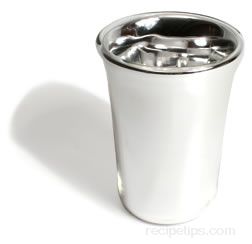
Any type of utensil or piece of equipment that is used to keep wine chilled. Depending on function, wine coolers may be a simple as a table top containers to cool wine as well as hand held totes to carry chilled wine or as elaborate as refrigerated units that hold many bottles of wine that can be maintained at specific temperatures.
The process of pouring a liquid from one container into another in order to allow the liquid to breathe (aerate), to separate any unwanted deposits (sediment) so that it remains in the original container, and to improve flavors by softening the wine or reducing the wine temperature.
When applied to wine, it is the practice of giving wine an opportunity to breathe by opening the bottle and pouring the contents into a glass or or a container in order to expose the wine to volumes of air.
Similar to other kosher foods, making a wine kosher involves processes and procedures that follow specific guidelines and laws established by the Jewish community.
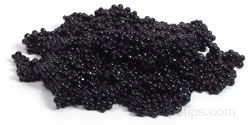
The eggs or roe of selected varieties of fish that are processed and salt cured to provide a spreadable food that is considered an elegant delicacy.
Top 15 glossary terms found
Displaying 1-15


Advertisement
Advertisement