
Loading
Search
We hope you found what you are searching for. If not, contact us and let us know what your want. We will do the work for you and get back to you when we're done.
vinegar red wine - Glossary Search
Top 37 glossary terms found
Displaying 1-20 | Next 17 >>
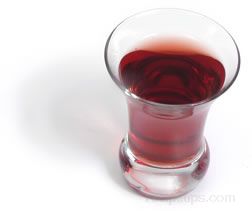
Vinegar made from red wine, which has a stronger and more robust flavor than vinegar made with white wine.
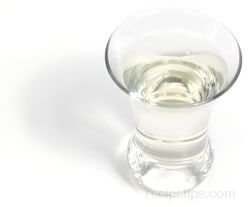
Refers to vinegar that is produced from white wine and is a popular ingredient for the preparation of various salad dressings.

A beverage containing alcohol, which is produced from fermented grape juice. Red wine is a nonsparkling wine that may vary in color intensity and can be dry, which is nonsweet, semisweet or sweet.
Types of vinegar that are produced from fermented ingredients such as grapes or rice. There are many varieties of red and white wine vinegars and the quality and flavor vary widely between brands, depending on the quality of the ingredients and the process for aging.
White wine produced from grapes that are kept on the vine until the first deep frost. Grapes are then typically pressed while still frozen.
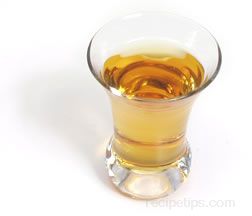
A version of Balsamic vinegar that is made with white wine vinegar and grape must (fresh pressed juice with seeds and skins).
A regional red wine produced in the Burgundy region of France. Traditionally, Red Burgundy is Pinot Noir varietal based.
A regional wine produced in the Rhône region of France. Côte-Rôtie and Hermitage are well known northern appelations of the Rhône that produce red wines.
Pronounced bore-DOUGH. A regional red wine produced in the Bordeaux region of France. Bordeaux is also a major city in France.
Pronounced K'yahn-tee. A regional red wine produced in the appelation of Chianti in the Tuscany region of Italy.
Pronounced cab-air-Nay So-veen-yawn. A grape varietal, used in the production of robust red wines and white wines with blush hues, originating in the Bordeaux region of France.
In the United States, a term referring to a non-sparkling white or red wine with a minimum of 7 percent alcohol and a maximum of 14 percent alcohol.
In reference to wine making, "skin" is the outer layer of the grape that contains the pigments, flavonoids, and tannins essential to the production of red wine.
A winemaking term that describes the process of breaking up and “punching down” the skin cap into the fermenting juices of red wine.
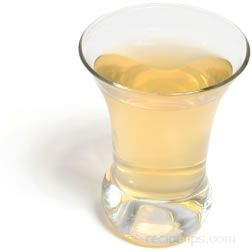
A liquid solution, such as apple cider or ethyl alcohol, which has been fermented once with bacteria, converting the natural surgars into alcohol and then fermented a second time to convert the solution into acedic acid or vinegar.
An alcoholic beverage made from the fermented juice of fruits and vegetables. Grapes account for the largest segment of wine making.
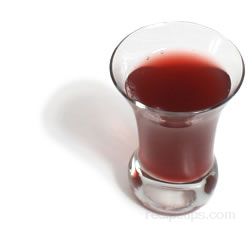
Produced from a plum, this red colored seasoning is made from the juices created by the pickling of ume plums.
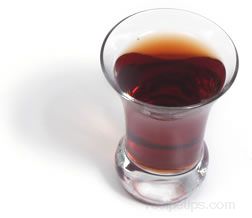
Any of a variety of different types of wine that are used to enhance the flavor of food dishes, such as meat, poultry, seafood, stew, vegetables, and sauces, while they are being cooked.
Descriptor of wine that exhibits a mothball or rubbery aroma. Typically this aroma is the consequence of poor winemaking, the use of excessive sulfur dioxide.
Pronounced zin-fan-dell. A grape varietal used in the production of red and rosé (referred to as "white zinfandel") wine.
Top 37 glossary terms found
Displaying 1-20 | Next 17 >>


Advertisement
Advertisement