
Loading
Search
We hope you found what you are searching for. If not, contact us and let us know what your want. We will do the work for you and get back to you when we're done.
umeboshi plum - Glossary Search
Top 9 glossary terms found
Displaying 1-9
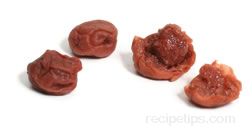
A Japanese condiment made from ume plums that are harvested before they are ripe, and then soaked in a brine with red shiso leaves to be pickled.
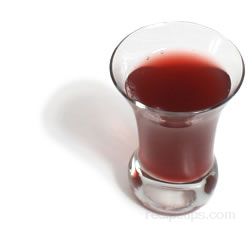
Produced from a plum, this red colored seasoning is made from the juices created by the pickling of ume plums.
Common in Japan, this variety of plum is very popular for it health benefits. The ume plum is a fruit that is harvested when it is green before it ripens to be used as a pickled condiment, which is referred to as umeboshi.
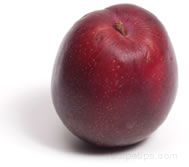
A smooth, shiny-skinned fruit first grown in Asia centuries ago that are now grown in all regions of the world.
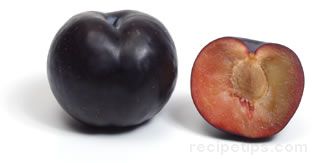
A variety of plum that has a dark purple to black colored skin with a firm, but juicy amber to yellow colored flesh.
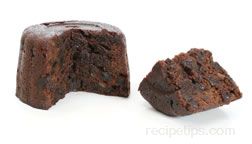
Traditionally made in England during the 14th century to be served during Christmas, this dessert was originally prepared as porridge with a pudding-like consistency that was thickened with bits of dried fruits, spices, meat (beef or veal), wine or sherry, eggs, and breadcrumbs.
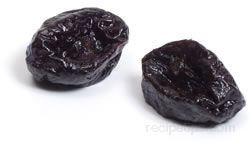
A wrinkled shiny skinned fruit, which is native to America, Europe and Asia. There are many varieties of this fruit, which have flesh that ranges in flavor from tart to very sweet, but there are only a few varieties that are suitable for drying.
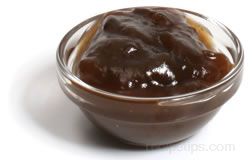
A thick, sweet-and-sour Chinese sauce, which is used as a condiment for Asian foods. It is made from a combination of dried plums and apricots, vinegar, sugar, and spices, which provide a sweet tangy and somewhat spicy flavor to foods.
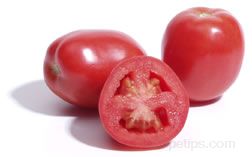
An oval, egg-shaped tomato with good flavor and thick flesh, which makes it a good tomato for sauces, cooking and canning.
Top 9 glossary terms found
Displaying 1-9


Advertisement
Advertisement