
Loading
Search
We hope you found what you are searching for. If not, contact us and let us know what your want. We will do the work for you and get back to you when we're done.
triticale - Glossary Search
Top 8 glossary terms found
Displaying 1-8

A type of grain flakes made from triticale grain. The whole-grain triticale is pressed using a process that rolls and flattens the grain into flakes.
A high protein man-made grain produced by crossbreeding wheat and rye for the intended purpose of duplicating the protein and bread-making merits of wheat and the durability and high lysine content of rye.
A type of flour ground from a high protein man-made grain produced by crossbreeding wheat and rye. Pronounced “trit-i-KAY-lee”, the name is a combination of the Latin botanical names of wheat and rye – “triti,” referring to triticum for wheat and “cale”, referring to secale for rye.
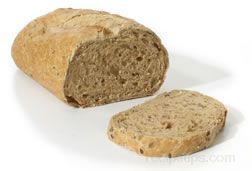
Bread made up of multiple grains, generally six to nine different grains are used, such as oats, rice, corn, triticale, rye, wheat, barley, buckwheat, millet, soy, and flax.
A commercially blended flour mixture of seven ground grains, generally wheat, rye, corn, oats, barley, millet and flax or triticale.
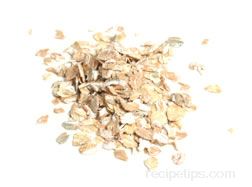
An uncooked breakfast cereal that contains a variety of whole grains or grain flakes. The cereal is available in a wide range of combinations and mixtures.
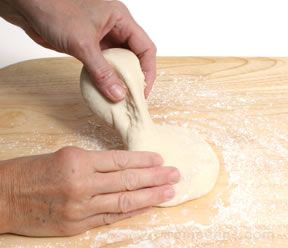
The inability of the intestinal tract to digest gluten properly, which, in sufferers with the condition, results in a number of symptoms and conditions whenever gluten is ingested, such as bloating, cramps, and diarrhea.
A substance in certain types of flour that gives dough its elasticity, strength, and makes the dough rise.
Top 8 glossary terms found
Displaying 1-8


Advertisement
Advertisement