
Loading
Search
We hope you found what you are searching for. If not, contact us and let us know what your want. We will do the work for you and get back to you when we're done.
rye flour - Glossary Search
Top 79 glossary terms found
Displaying 1-20 | Next 20 >>
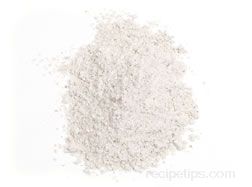
Grains of rye grass that have been ground into fine flour that has a slightly sweet-sour flavor. Low in gluten, it does not contain enough protein to develop the gluten necessary for the bread to rise sufficiently without combining it with wheat flour.
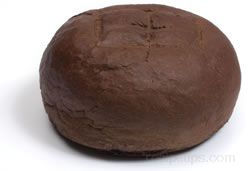
A variety of bread made from grains of rye grass that have been ground into fine flour providing a slightly sweet-sour flavor.
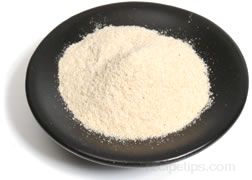
1. A product created by grinding and sifting various types of substances, such as grains, legumes, nuts, and some vegetables into a powdered form that varies from very soft to coarse in texture.

A type of sourdough bread popular in Germany, made with bread flour or whole-wheat flour and rye flour, which is one of the most widely cultivated and used grains in the country.
Flour that is ground from substances other than wheat. Non-wheat flours are ground from seeds, roots and tubers, nuts, legumes and other grains.
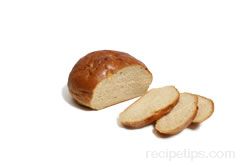
A flavorful Swedish bread made with rye and wheat flour that is often served on festive occasions. Although the bread contains rye flour, it does not have the heavy rye flavor of other rye breads due to the higher proportion of wheat flour and because of the various flavoring ingredients, which include orange zest, anise, cardamom, cumin, fennel, and molasses.
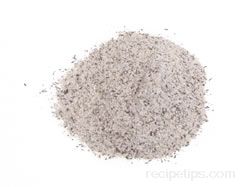
Flour that does not contain gluten, which is a protein found in some types of flour milled from various grains, seeds, legumes, tubers, and nuts.
A type of rye bread that is a bit lighter in flavor and texture than other rye breads of Northern Europe and Scandinavia due to the use of a greater proportion of wheat flour than rye flour.
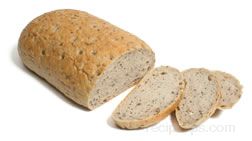
A type of rye bread of Italian origin that is not as heavy as its northern and eastern European counterparts due to the smaller proportion of rye flour used in relation to the wheat flour content.
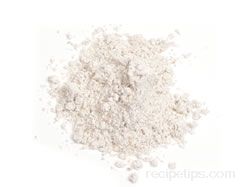
Flour, ground from spelt, which has a mild nutty flavor and is high in protein but low in gluten. It can be substituted for wheat flour in making bread for the gluten and wheat intolerant.
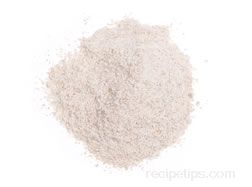
A variety of flour that is ground from the full wheat berry. All parts of the wheat berry are used in the flour including the bran, germ, and the endosperm, which when milled, creates the speckled brown color that is characteristic of the flour.
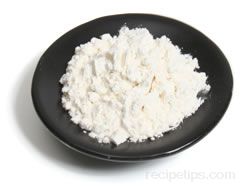
Flour that has been processed from grain to remove the bran and germ, bleached to whiten the appearance, and then reformulated with nutrients, such as thiamin, riboflavin, niacin, Vitamin D, iron, and calcium added in accordance with established government guidelines.
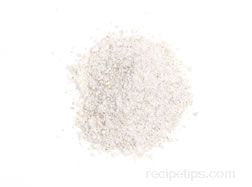
A flour ground from oat groats, which are hulled and cleaned oats. Oat flour is also ground from rolled oats or oatmeal.
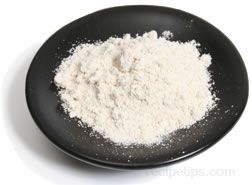
A type of flour made from barley grain. The flour is usually produced from “pearled” barley, which refers to barley that has been scoured and polished to remove the husk and the bran.
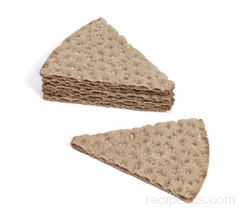
A traditional Swedish, Finnish or Norwegian bread made from a dough with rye flour or combinations of flours such as wheat, barley, and potato and leavened with leavening agents.
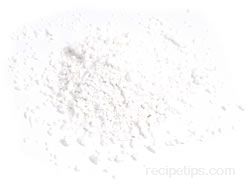
A speciality flour that is produced from white sweet potatoes. It is raw flour, not roasted flour and therefore, does not require cooking before use.
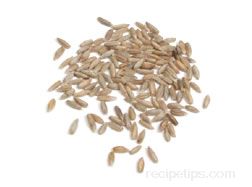
A plant that produces a cereal grain that has a very assertive and hearty flavor with a slightly bitter taste.
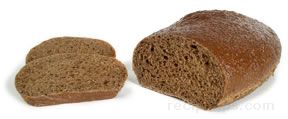
Traditional German bread referred to as a "box bread" or "kastenbrot" by German bakers. This bread can be made with a combination of coarse ground rye and wheat flour (mostly rye and less wheat) or all rye flour combined with molasses for flavor and color.
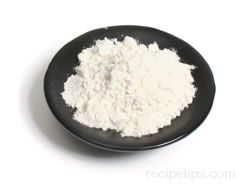
A type of flour that was developed specifically for bread making. Bread flour is unbleached, high-gluten flour that typically contains 99.9 % hard wheat flour with malted barley added to increase the yeast activity.
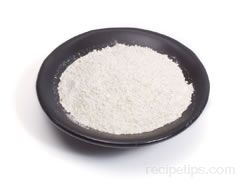
A soft-wheat flour with a fine-texture and a high starch content. Pastry flour is finely ground, but it is not as fine as cake flour.
Top 79 glossary terms found
Displaying 1-20 | Next 20 >>


Advertisement
Advertisement