
Loading
Search
We hope you found what you are searching for. If not, contact us and let us know what your want. We will do the work for you and get back to you when we're done.
rise - Glossary Search
Top 71 glossary terms found
Displaying 1-20 | Next 20 >>
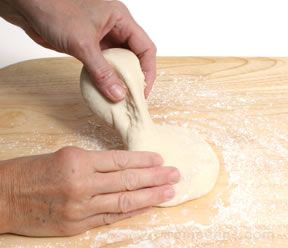
A substance in certain types of flour that gives dough its elasticity, strength, and makes the dough rise.
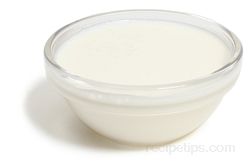
The fatty liquid that rises to the top of milk when the milk is allowed to stand. Cream can be classified as heavy cream or light cream depending on the butterfat content.
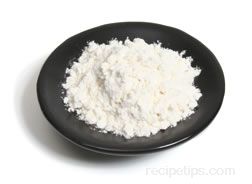
A variety of unbleached flour that is typically milled from hard wheat and blended with other ingredients to create flour that rises well.
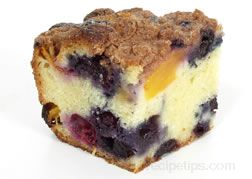
A sweet dessert that is made from a cake batter which rises up as it bakes, forming a browned crust that is then traditionally topped with berries.

A chemical reaction in which carbohydrates are broken down into carbon dioxide gas and alcohol. This is primarily brought about by the affect that yeast has on sugars.
An agent added to baked goods to cause the dough or batter to rise, lightening the texture and adding volume.
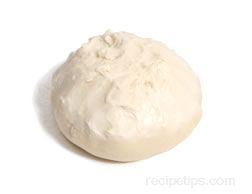
A leavening agent for sourdough bread that enables the bread dough to rise. The primary difference between making bread with a sourdough starter and making bread with the direct or straight yeast method (the method familiar to most home cooks) is that starter breads require much more time to prepare, but the flavor and texture of the bread is almost impossible to achieve with other leavening methods.
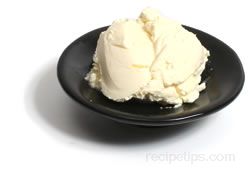
cream, half and half, milk products,
The process of adding a substance to bread dough (and other baked goods) that enables the dough to rise.
A decorative cut made, in bread dough, using a scissor. The cut also allows the bread to rise and expand while baking, preventing tears and cracks along the sides or bottom of the bread.
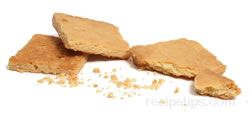
A pastry crust made with a higher proportion of fat that contains no raising agent to make it rise and expand during baking.
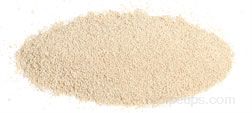
Yeast substances that produce fermentation in dough used for bread and other baked goods, causing the dough to rise without the aid of chemical additives.
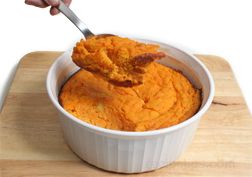
A dish that more closely resembles a pudding or a soufflé than an actual type of bread. Spoon bread often rises high and light similar to a soufflé.
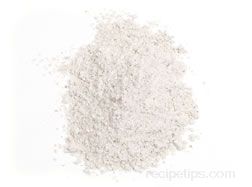
Grains of rye grass that have been ground into fine flour that has a slightly sweet-sour flavor. Low in gluten, it does not contain enough protein to develop the gluten necessary for the bread to rise sufficiently without combining it with wheat flour.
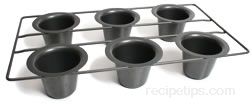
A baking pan or baking utensil as it may also be referred, specifically designed to hold popover batter so the popover, as it bakes, can rise up into a large, airy pastry-like shape.
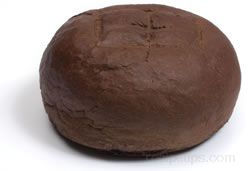
A variety of bread made from grains of rye grass that have been ground into fine flour providing a slightly sweet-sour flavor.
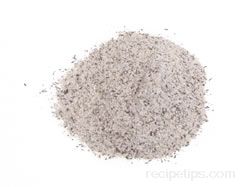
Flour that does not contain gluten, which is a protein found in some types of flour milled from various grains, seeds, legumes, tubers, and nuts.
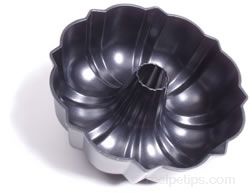
A heavy-walled baking pan formed with a decorative indented curvature and a hollow tube in the center.
Chemical compounds such as baking powder and baking soda that react with other ingredients to produce carbon dioxide gas.
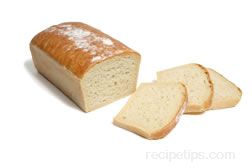
Refers to bread that uses yeast as a leavener. The yeast causes the formation of carbon dioxide gas through fermentation of the sugars in the bread dough.
Top 71 glossary terms found
Displaying 1-20 | Next 20 >>


Advertisement
Advertisement