
Loading
Search
We hope you found what you are searching for. If not, contact us and let us know what your want. We will do the work for you and get back to you when we're done.
rice milk - Glossary Search
Top 51 glossary terms found
Displaying 1-20 | Next 20 >>
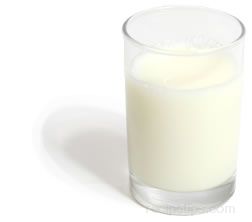
Milk containing 2% percent milk fat. Many consider low-fat milks containing 1% or less of milk fat such as 1% low-fat milk or skim milk to be reduced-fat milks however, the actual classification for a reduced-fat milk is the variety labeled "2% reduced-fat" milk.
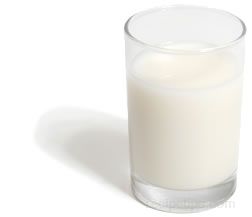
A liquid that is made from the cooking and blending of white or brown rice and water. It can also be made from rice flour.

Milk containing 1% percent milk fat. Although many will consider skim milk, which contains 1 percent or less of milk fat to be a low-fat milk, the typical classification for a low-fat milk is the variety labeled "1% low-fat" milk.
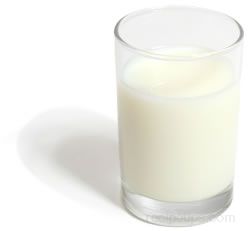
Milk that contains less than 1/2 percent of milk fat. Also referred to as low-fat milk, skim milk most often has been fortified with both vitamin A and D.
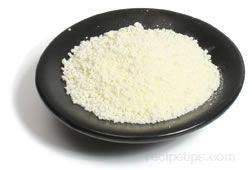
Milk that has had most of the water content removed, reducing it to a dry powder form. Dry whole milk must be refrigerated because its high fat content is susceptible to spoilage if not refrigerated.
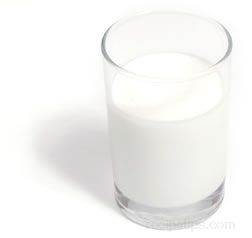
Milk containing at least 3.25 percent milk fat, which is present when it is provided from the cow. None of the milk fat is removed from whole milk and it is not fortified with Vitamin A as are the different varieties of reduced fat milk.
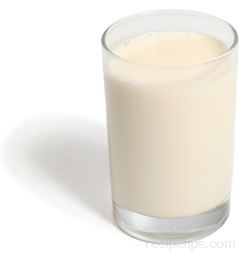
A type of milk that is unpasteurized whole milk condensed by evaporating 50 to 60 percent of the water content in the milk.
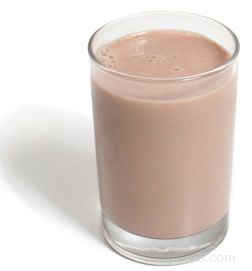
Milk that has had sugar and chocolate added for flavoring. Chocolate milk is available in whole, low fat and nonfat (skim) milk.
Milk which contains less than 1/2 percent of milk fat. Generally non-fat milk has been fortified with vitamin A and D to improve the nutritional values.
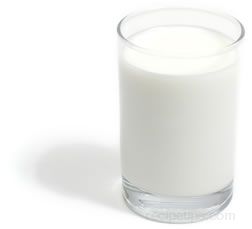
A white liquid secreted by the mammary glands of animals, such as cows, sheep and goats. Fresh milk is consumed for nourishment, providing valuable nutrients such as calcium, protein, potassium, magnesium, and riboflavin.
Milk that has the majority of the sodium (approximately 90%) removed and replaced with potassium. This milk is produced for people on a sodium restricted diet and is not always easily found.
Milk that has not been pasteurized. It is thought to be healthier because it has all its natural nutrients but it is at more of a risk of becoming diseased.
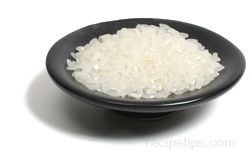
A grain used to produce a porridge that may become a breakfast cereal or a rice pudding, depending on the country.
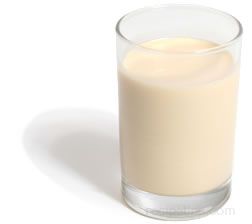
A milk product that is provided from the mammary glands of goats. Goat milk is popular in some parts of the world and believed to be more easily digested than other forms of milk from cows.
A long-grain rice from Thailand that is actually a form of sticky rice, but because the black bran layers are not removed from the rice during processing, the rice does not stick together when cooked.
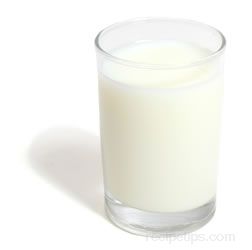
A milk product that has a bacteria additive to improve the digestibility of the milk. The lactobacillus acidophilus bacteria is added to whole, low fat, or nonfat varieties of milk for a product that is believed to be beneficial for the digestive tract.
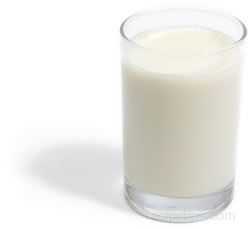
A non-dairy milk substitution, made from dried soybeans that have been soaked, ground and cooked before being processed into a milky liquid.
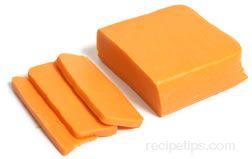
A cheese substitute made from rice, a small amount of milk protein (casein), food oils, and seasonings.
A milk product that is processed by heating it to 300º Fahrenheit and then vacuum sealing it in a container to provide a longer shelf life of 6 months or so without refrigeration.
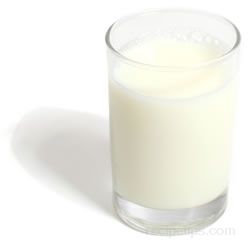
A type of milk that contains a low amount of lactose or is free of lactose. Typically, milk with reduced lactose has been fortified with lactase, an enzyme used to break down the lactose (sugars) in the milk making it easier to digest for individuals considered lactose intolerant.
Top 51 glossary terms found
Displaying 1-20 | Next 20 >>


Advertisement
Advertisement