
Loading
Search
We hope you found what you are searching for. If not, contact us and let us know what your want. We will do the work for you and get back to you when we're done.
quinoa - Glossary Search
Top 14 glossary terms found
Displaying 1-14
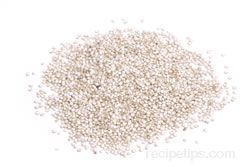
A plant bearing seeds, which are not a true grain, but are used as one. Quinoa (pronounced “KEEN-wah”) is of the same botanical family as beets and produces clusters that contain thousands of tiny bead-shaped seeds that range in color from light beige to yellow to almost black.
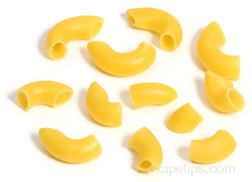
A type of pasta product made with quinoa flour, which is a type of flour ground from the seeds of the quinoa plant: a plant cultivated mainly in South America as a major grain-like crop.
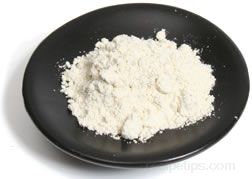
A type of flour produced from grinding quinoa seeds into a powder. Quinoa flour is rich in protein and nutrients, especially amino acids.
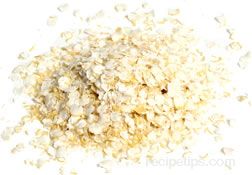
A type of grain flakes made from quinoa seeds. The whole-grain quinoa is pressed using a process that rolls and flattens the seeds into flakes.
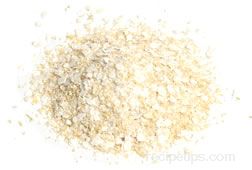
A type of commercially prepared cereal made from quinoa seeds that is available in a variety of forms.

A powdery resin that covers quinoa seeds, which must be rinsed off before the seeds can be used. If the seeds are not rinsed properly, the resin will produce a bitter flavor that can be very unpleasant.
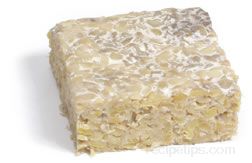
A product that is generally made from fermented and partially cooked soybeans, but is also made from other legumes and grains, such as barley, rice or quinoa.
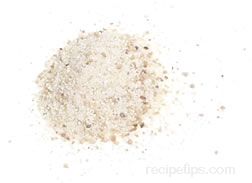
The grain that is produced from grassy plants, which is processed into an edible or ready-to-eat breakfast food.
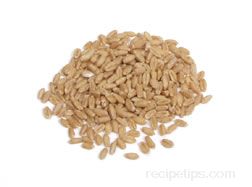
The kernel or seed of food plants that are used as a staple food source throughout the world. Plants such as wheat, barley, corn, oats, rye, and rice, are among the most popular cereal grains.
A term that refers to products that contain no gluten, which is found in many foods, but is most notable as the substance that gives dough its elasticity, strength, and makes the dough rise.
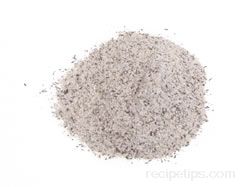
Flour that does not contain gluten, which is a protein found in some types of flour milled from various grains, seeds, legumes, tubers, and nuts.
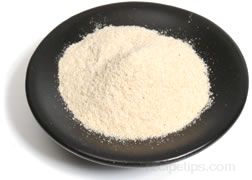
1. A product created by grinding and sifting various types of substances, such as grains, legumes, nuts, and some vegetables into a powdered form that varies from very soft to coarse in texture.
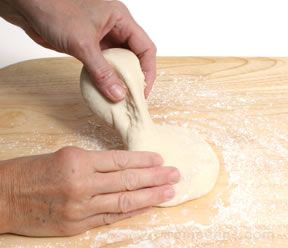
A substance in certain types of flour that gives dough its elasticity, strength, and makes the dough rise.
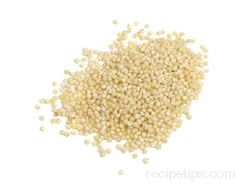
A variety of related plants bearing small seeds used as a food source. The plants may grow to a height of up to six feet and feature large seed heads, which bear many tiny seeds ranging in color from bright yellow to rust, depending on the variety.
Top 14 glossary terms found
Displaying 1-14


Advertisement
Advertisement