
Loading
Search
We hope you found what you are searching for. If not, contact us and let us know what your want. We will do the work for you and get back to you when we're done.
kosher food - Glossary Search
Top 41 glossary terms found
Displaying 1-20 | Next 20 >>

Any of a variety of foods that have been prepared, grown, and processed in accordance with Jewish laws.
Similar to other kosher foods, making a wine kosher involves processes and procedures that follow specific guidelines and laws established by the Jewish community.
Food that has been enhanced with nutrients in order to improve the food for a specific purpose. Nutrients, such as calcium, fiber, soy protein, and herbs to name a few, are added to food to improve the nutritional value of the product.

Many different types of food items are placed into this category that may be provided by being taken directly from a growing plant or may be a processed as a food item specifically for the purpose of being wrapped around food.
Food that has been completely cooked before actual preparation for serving. Generally, it only requires heating before serving.
storage containers, food storage,

A method involving the soaking of food in a liquid solution consisting of water, salt, sugar, and possibly herbs and spices in order to preserve, tenderize or flavor various food and cuts of foods.
Any of a wide variety of foods that are produced by altering or engineering various procedures to achieve desired results.

Any type of food that has been processed to remove a portion of the liquids contained within the food item, providing a thicker consistency to the Condensed Food.
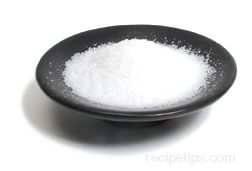
A substance that is combined with food in order to improve food for a variety of needs. Food Additives are commonly introduced into the food in order to enhance the appearance or taste, to preserve or retain the freshness, to keep the product safe for consumption, to improve the nutritional value, to improve the appearance, taste or texture, or to assist with the processing and/or preparation.
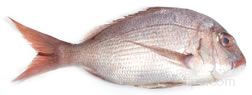
An adverse reaction in the human body caused by substances in certain foods. Specifically, a food allergy is caused by a response of the immune system to certain food proteins.
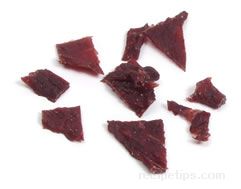
Types of food that have been dried to remove most of their natural moisture in order to preserve the food, thus reducing the potential problems which can occur as fresh foods mold or become fermented.
An adverse reaction caused by the inability of the body to digest certain substances in foods. This is different than food allergies, which involve the immune system rather than the digestive system.

An electric kitchen tool that is used to chop, grate, mince, slice, puree, and blend a variety of food ingredients.
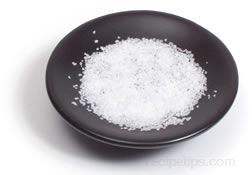
A coarse grained salt that has been prepared according to Jewish laws and procedures, thus keeping it "kosher." Free of additives combined with the salt particles, the grains have been compressed, creating a flatter, yet coarsed grain with a lighter weight that sticks better to food and dissolves easily.
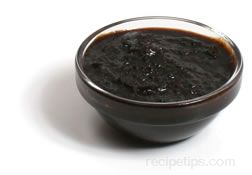
Made from the juices of roasted meats, this is an ingredient that is often added to foods in order to deepen the flavor of the foods being prepared.

A utensil used for drying and preserving foods by removing most of the natural moisture contained in the food, thus reducing the potential problems with spoilage that occur with fresh foods.
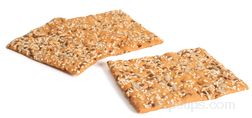
A term used to describe food that complies with the USDA (United States Department of Agriculture) standards for natural processing, handling, and labeling.

A chemical or natural additive that is used to enhance or alter the color of a food being processed or prepared.
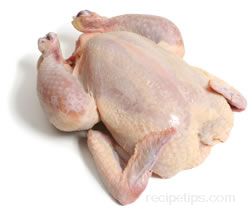
Any of the variety of food products grown or containing ingredients that have been produced without the use of antibiotics, chemicals, fertilizers, and pesticides.
Top 41 glossary terms found
Displaying 1-20 | Next 20 >>


Advertisement
Advertisement