
Loading
Search
We hope you found what you are searching for. If not, contact us and let us know what your want. We will do the work for you and get back to you when we're done.
food safety - Glossary Search
Top 17 glossary terms found
Displaying 1-17

General practices and procedures that are necessary when handling, storing, or preparing food, to ensure that all types of food being served for consumption are protected from microorganisms that cause pathogens (agents that cause disease) to develop.
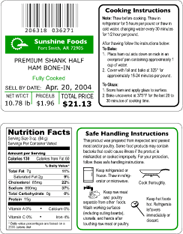
A method used to identify a variety of information regarding the contents of a package, bottle, carton, container or bag of food, such as ingredients, weight or nutritional information.
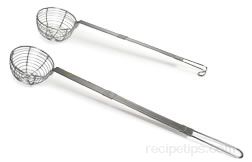
The process of "dry" cooking food totally covered in hot cooking fat or oil. This process produces evenly cooked food with a golden, crisp surface on the outside.
The process of warming food that has been frozen so that the food can be eaten or prepared to be served.
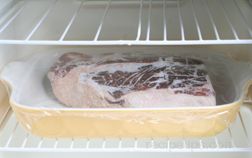
The process of warming food that has been frozen so that the food can be eaten or prepared to be served.
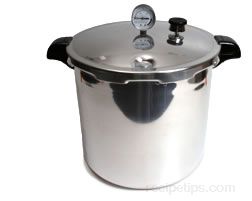
A kitchen utensil used to cook, sterilize, and preserve low acid foods that are to be canned for future use.
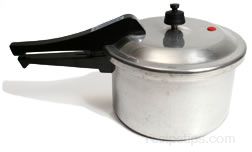
A cooking utensil that creates pressurized steam to cook foods. A traditional pressure cooker consists of a steel pot with an aluminum base, a locking lid containing an airtight seal, and a removable safety valve (on older models) that attaches to the lid or a built-in value with easy to read pressure markings (newer models).
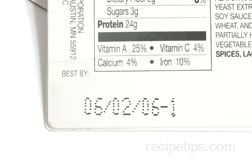
A date stamped on food items that indicates the recommended length of time a product retains it's best quality or flavor.
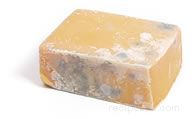
Organisms that are microscopic in size, which under suitable conditions can grow rapidly. Some bacteria are harmful, causing food to spoil or to become diseased, while others are created intentionally in order to make antibiotics or to begin a fermentation process in foods, such as yogurt, and beverages.

A protective glove that allows hot utensils or foods to be manually handled near or in ovens and grills.
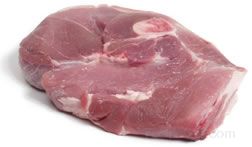
A term customarily applied to the meat of a pig that is under a year old. The pig carcass is generally split into two sides of pork; each consisting of four primal cuts known as the shoulder, loin, leg/ham, and side/belly.
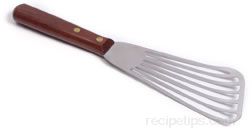
A type of spatula that is typically used to remove items that are being cooked from pots, pans, skillets, and other bakeware.
An acronym for the United States Department of Agriculture, which is a government agency established to support agricultural production and to enforce regulations designed to protect farmers and consumers who use agricultural products.
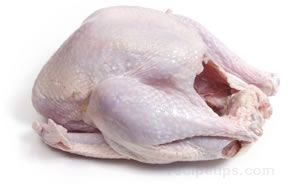
A wild game bird or domesticated bird (poultry) that evolved from the pheasant family of wildfowl. Wild turkey contains somewhat tougher and darker meat than the domesticated variety of turkey, which is raised to produce a greater quantity of white meat.
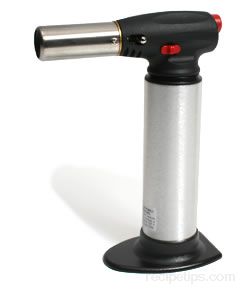
Produced as a finishing tool for baked goods, this utensil is most often used to add the golden tan surface to crème brulée desserts by caramelizing sugar sprinkled over the top.
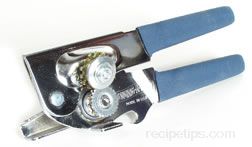
A kitchen utensil that is used to open or remove the top from a metal can. There are a wide variety of different designs available ranging from manually operated small tools to automated openers that quickly and easily remove the top of the can.

A kitchen tool designed to remove cleanly file or hone the cutting edges on the steel blades of knives and other utensils with cutting edges.
Top 17 glossary terms found
Displaying 1-17


Advertisement
Advertisement