
Loading
Search
We hope you found what you are searching for. If not, contact us and let us know what your want. We will do the work for you and get back to you when we're done.
candied lemon zest - Glossary Search
Top 9 glossary terms found
Displaying 1-9

A type of lemon that does not have the exceptionally tart flavor of standard lemons. Meyer lemons are typically considered to be sweeter in both flavor and aroma, providing a taste mildly similar to a tangerine.

A popular quick bread in Britain and the United States that is usually flavored with lemon zest or lemon extract to provide a distinct lemon flavor.
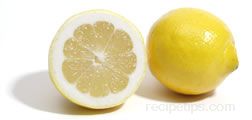
An oval shaped, bright yellow citrus fruit that is sought for its tart flavored, highly acidic juice and skin.

A Christmas bread that originated in Denmark. The bread is made with white flour, enriched with eggs and butter, and flavored with cardamom, vanilla extract, and lemon zest.

A special kitchen tool that is used to shave bits or strands from the outer most layer of covering on citrus fruits such as lemons, limes or oranges.

A Portuguese yeast bread that is traditionally served to celebrate Epiphany. The dough, prepared with white bread flour or all-purpose flour, is enriched with butter and eggs, flavored with raisins, pine nuts, and orange and lemon zest, and topped with candied fruits, sugar, and citrus zest.

Refers to the outer skin of citrus fruits such as oranges, lemons, and limes. The colored part of the skin contains natural oils that provide aroma and flavor.
A Spanish yeast bread made with bread flour or all-purpose flour that is traditionally served on the eve of Epiphany (Twelfth Night).

A German festival bread that is popular during the Christmas season not only in Germany, but in many other parts of the world as well, especially other European countries and parts of the United States.
Top 9 glossary terms found
Displaying 1-9


Advertisement
Advertisement