
Loading
Search
We hope you found what you are searching for. If not, contact us and let us know what your want. We will do the work for you and get back to you when we're done.
black vinegar - Glossary Search
Top 38 glossary terms found
Displaying 1-20 | Next 18 >>
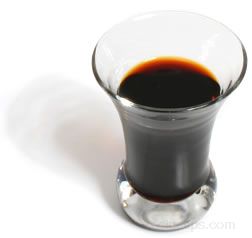
A common Asian type of vinegar that is made from various grains such as rice, wheat, millet, or sorghum.
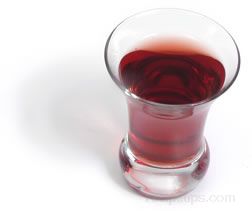
Vinegar made from red wine, which has a stronger and more robust flavor than vinegar made with white wine.

Vinegar produced from the sap and water of coconut trees that is fermented and aged to and processed into a mildly sweet vinegar.
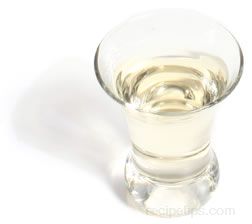
A light flavored vinegar made from rice wine which has been created by adding a bacteria culture to the wine, thus beginning a fermentation process that produces the vinegar.
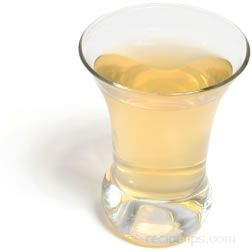
A liquid solution, such as apple cider or ethyl alcohol, which has been fermented once with bacteria, converting the natural surgars into alcohol and then fermented a second time to convert the solution into acedic acid or vinegar.
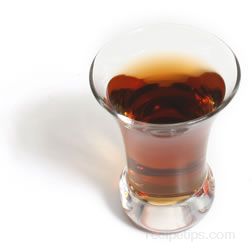
A type of vinegar that is produced from barley cereal grains that are malted. To manufacture the Malt Vinegar, the grain is soaked in water to soften its texture, allowing the barley to germinate, but not sprout, which results in the release of active enzymes.
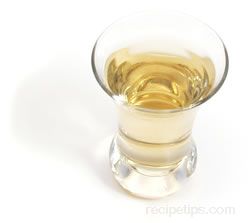
A flavorful vinegar made from the cider of fermented apple juice. Apples that are grown during the fall or winter when higher sugar levels are present are the varieties commonly used for Cider Vinegar.
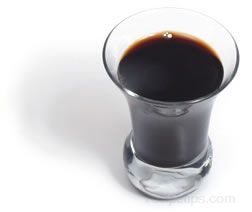
A very strong, but sweet type of grape vinegar originating in the Modena region of Italy. Produced from the juice of white Trebbiano grapes, Balsamic Vinegar is made from fresh pressed grape juice, referred to as "must" and therefore is not classifed as a wine vinegar.
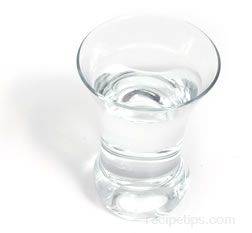
A type of vinegar that is made from distilled grain alcohol. Transparent and thin in texture, this vinegar has a strong, unpleasant flavor and is not used for seasoning foods.
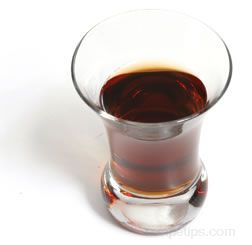
Wine vinegar that has the rich, nutty flavor of a fortified wine. It can be used for several purposes, such as in marinades for grilling and in salads.
Wine vinegar that has the rich, nutty flavor of a fortified wine. It can be used for several purposes, such as in marinades for grilling, and in salads.
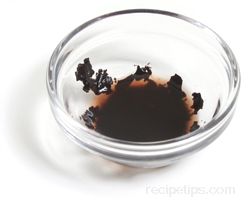
A thick, gelatin substance containing bacteria that forms in vinegar most often when the vinegar warms to temperatures between 60ºF to 85ºF.
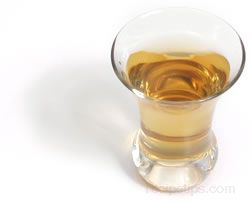
White vinegar flavored with tarragon. A sprig of tarragon is placed in a glass bottle and then white vinegar is added (a recipe may call for other flavorings to be added along with the tarragon).
A wine vinegar made from grapes grown in the French region of Banyuls-sur-Mer. The varietal mix of this vinegar includes primarily Granache noir, Grenache gris and a minor amount of Carignane grapes.
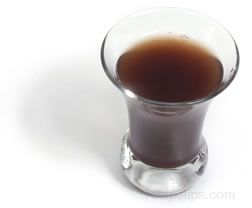
Wine vinegar blended with raspberry juice for a flavor that has the sweetness of berries, yet is mildly acidic.
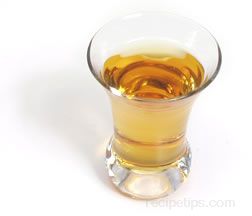
A version of Balsamic vinegar that is made with white wine vinegar and grape must (fresh pressed juice with seeds and skins).
A type of vinegar that has been produced by soaking herbs in the solution in order to absorb the flavor of the selected herbs.
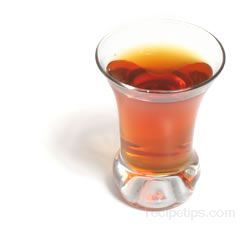
A type of vinegar, common in Asian food preparation, which is made from sugarcane that has been crushed, fermented and cooked into a syrup substance before being distilled into vinegar.
Types of vinegar that are produced from fermented ingredients such as grapes or rice. There are many varieties of red and white wine vinegars and the quality and flavor vary widely between brands, depending on the quality of the ingredients and the process for aging.
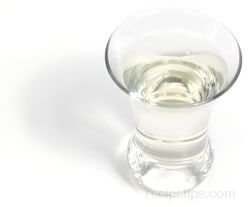
Refers to vinegar that is produced from white wine and is a popular ingredient for the preparation of various salad dressings.
Top 38 glossary terms found
Displaying 1-20 | Next 18 >>


Advertisement
Advertisement