
Loading
Search
We hope you found what you are searching for. If not, contact us and let us know what your want. We will do the work for you and get back to you when we're done.
amaranth - Glossary Search
Top 7 glossary terms found
Displaying 1-7
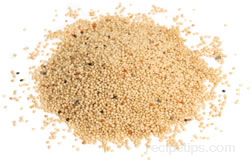
An herb that is technically not a grain, but is often used like a grain because of its abundance of grain like seeds.
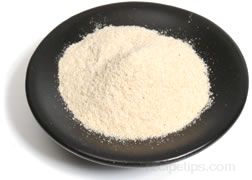
A type of flour milled from seeds obtained from the amaranth plant. The small, lens shaped seed or grain is light tan in color and provides a very mild tangy, somewhat peppery or nutty flavor, which may be quite noticeable if the flour is not combined with another flour when preparing baked foods.
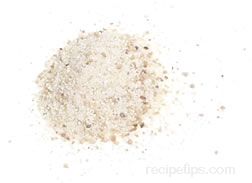
The grain that is produced from grassy plants, which is processed into an edible or ready-to-eat breakfast food.
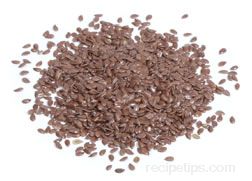
A plant native to Europe and Asia that is grown for its fiber or its seeds. Similar to several other plants that are not actually considered grains (amaranth and buckwheat, for example), Flax is often used like one.

A type of broad-leafed Spinach that is grown in Far Eastern countries to harvest the shoots and leaves of the plant.
1. A product created by grinding and sifting various types of substances, such as grains, legumes, nuts, and some vegetables into a powdered form that varies from very soft to coarse in texture.
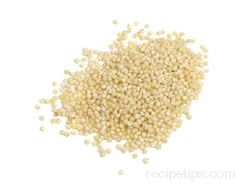
A variety of related plants bearing small seeds used as a food source. The plants may grow to a height of up to six feet and feature large seed heads, which bear many tiny seeds ranging in color from bright yellow to rust, depending on the variety.
Top 7 glossary terms found
Displaying 1-7


Advertisement
Advertisement