
Loading
Search
We hope you found what you are searching for. If not, contact us and let us know what your want. We will do the work for you and get back to you when we're done.
types of grain - Glossary Search
Top 124 glossary terms found
Displaying 81-100 | << Prev 20 | Next 20 >>
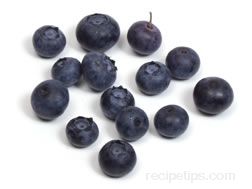
A group of organic nutrients found in many types of food that slow down the formation of substances in the body that are particularly harmful to cells and tissues.
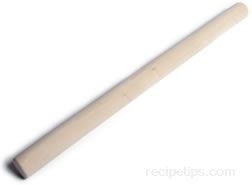
A wooden rolling pin, which is used to prepare dough for baking, that does not have handles. This kitchen utensil is most often made from tight-grained hardwoods such as boxwood or beech wood.
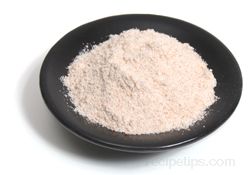
A type of whole-wheat flour that is slightly coarser than regular flour. The Rev. Sylvester Graham, an early advocate of healthier foods, developed the flour.
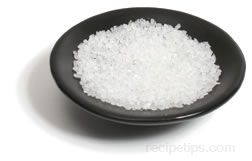
A type of sea salt harvested along the coast of Sicily from the waters of the Mediterranean Sea. The water from the sea is brought into the ponds and evaporated by the heat of the sun.

A type of pepper, native to tropical areas of West Africa. Mildly flavored, this pepper grows in a range of 1 to 2 inches in length and contains seeds with a spicy, hot taste that is slightly bitter, providing flavored overtones of cardamom and ginger.
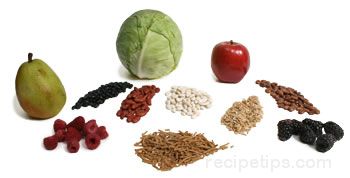
A carbohydrate contained in plant foods such as fruits, legumes, vegetables, and whole grains that cannot be broken down by digested enzymes when they are eaten so they cannot be fully digested.
A person who does not consume meat or meat products. There are different categories of vegetarians based on the type of foods consumed and desired for their daily diets.
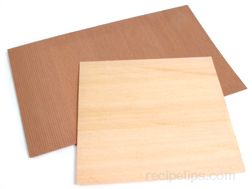
Flexible and paper-like with a stiff consistency, this cooking tool is used to flavor foods that are being grilled.
A carbohydrate contained in plant foods such as fruits, legumes, vegetables, and whole grains that cannot be fully digested.
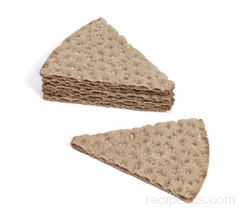
An ancient food developed by early cultures that harvested wheat and other grains, grinding them with stones to create flour.
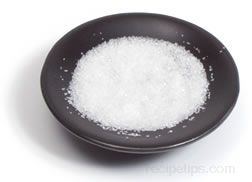
A type of salt extracted from seawater through the use of a vacuum evaporation process after which it is sun and wind dried and then distilled into an edible, solid form.
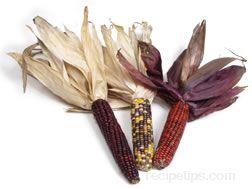
A tall cereal plant (growing to a height of up to 10 feet) that is immediately recognizable because of its long, drooping leaves extending from an inner stalk and strong jointed stems supporting large ears ranging in length from a half foot to one foot, which contain the corn kernels.
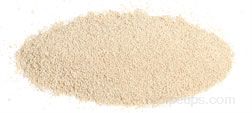
A single-cell organism or plant that feeds on simple sugars that are converted into alcohol and carbon dioxide through fermentation.
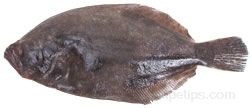
A category of fish that are characterized by their narrow bodies that are flat and oval-shaped. Similar to other varieties of fish, the flatfish begins live swimming in the same manner and position as other types of fish but as it matures, a swimming style develops that becomes horizontal rather than vertical.
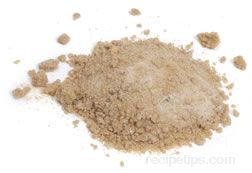
One of the darkest of the raw dark brown sugars that is produced during the third crystallization of the cane syrup, muscovado sugar has a fine-grained texture with natural molasses to provide a strong flavor and consistency similar to refined brown sugar.
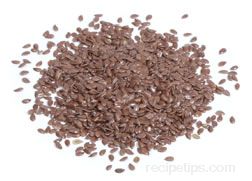
A plant native to Europe and Asia that is grown for its fiber or its seeds. Similar to several other plants that are not actually considered grains (amaranth and buckwheat, for example), Flax is often used like one.
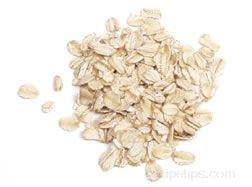
Whole oat kernels, referred to as groats, which have been sliced and flattened into flakes by steel rollers.
Yeast substances that produce fermentation in dough used for bread and other baked goods, causing the dough to rise without the aid of chemical additives.
One of three main categories of basic nutrients (the others are protein and fat) that are used by the body for energy.
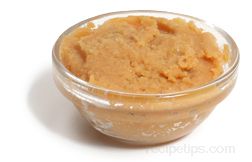
A thick nutritious paste made from a base of steamed and crushed soybeans, barley and/or rice, which are then fermented and aged for as little as a few months or as long as three years.
Top 124 glossary terms found
Displaying 81-100 | << Prev 20 | Next 20 >>


Advertisement
Advertisement