
Loading
Search
We hope you found what you are searching for. If not, contact us and let us know what your want. We will do the work for you and get back to you when we're done.
types of grain - Glossary Search
Top 124 glossary terms found
Displaying 41-60 | << Prev 20 | Next 20 >>
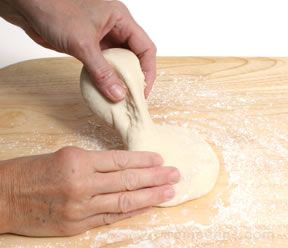
A substance in certain types of flour that gives dough its elasticity, strength, and makes the dough rise.
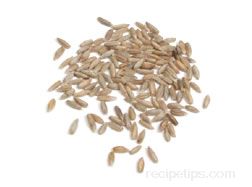
A plant that produces a cereal grain that has a very assertive and hearty flavor with a slightly bitter taste.

A long-grain variety of rice with red bran that is cultivated in India and has not been milled. Indian red rice has a nutty flavor and is reddish-tan in color.
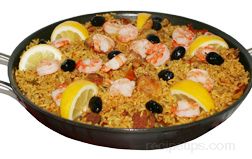
A traditional Spanish one-pan meal made with rice and numerous ingredients including various types of fish, seafood, poultry, sausage, and vegetables.
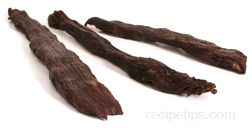
A type of dried meat that is processed in long strips and preserved for consumption in South Africa....
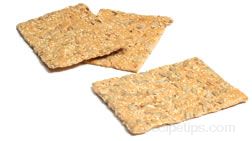
A type of crispy, cracker-like flat bread prepared with spelt flour that is German in origin. Some recipes are made with additional whole-grain spelt, which gives the flat bread an interesting texture and nutty flavor.
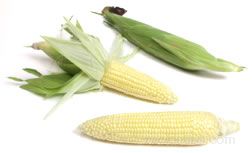
A type of corn that is often considered to be a vegetable rather than a grain because it is most often eaten fresh like a vegetable.
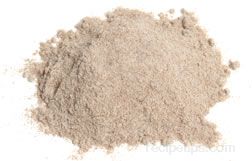
A type of flour milled from teff grain. Teff flour is high in calcium, iron, magnesium, zinc, and thiamin and it is a good source of fiber.
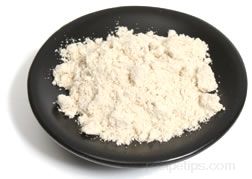
A type of flour milled from sorghum grain. Sorghum flour lacks gluten, so it isn’t suitable for making yeast breads.
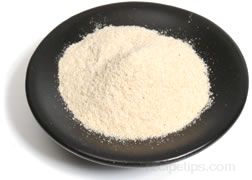
A type of flour milled from seeds obtained from the amaranth plant. The small, lens shaped seed or grain is light tan in color and provides a very mild tangy, somewhat peppery or nutty flavor, which may be quite noticeable if the flour is not combined with another flour when preparing baked foods.
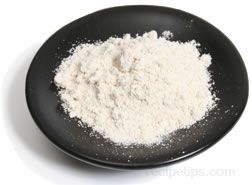
A type of flour made from barley grain. The flour is usually produced from “pearled” barley, which refers to barley that has been scoured and polished to remove the husk and the bran.
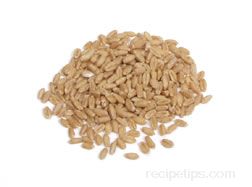
A plant that is a member of the grass family bearing a fruiting head that yields a grain that is most often ground into flour or meal.
One of the three main types of wheat and the hardest variety grown. The other two main types or classifications are soft wheat and hard wheat.
The process of cracking the grain to expose the floury portion of the kernels and breaking it down to a fine powder, sieving out the unwanted portions of the broken grain.
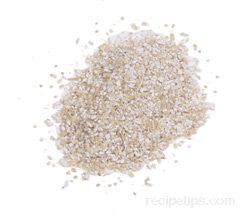
The nutrient packed layers covering the inner kernel of most grains. Bran is loaded with insoluble fiber, which is important for digestive health, and soluble fiber, which helps to lower the cholesterol level in the blood.
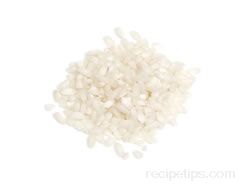
A type of rice, named after a town in northwest Italy, that is one of the most popular varieties used for Italian risotto recipes.
A type of flour ground from a high protein man-made grain produced by crossbreeding wheat and rye. Pronounced “trit-i-KAY-lee”, the name is a combination of the Latin botanical names of wheat and rye – “triti,” referring to triticum for wheat and “cale”, referring to secale for rye.

A common Asian type of vinegar that is made from various grains such as rice, wheat, millet, or sorghum.
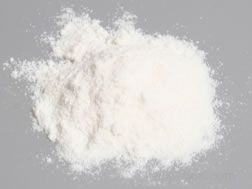
A type of flour milled from mochi rice, which is a short-grained, glutinous rice common in Asia. It is often used to thicken sauces and food mixes, providing a strong bonding that can withstand refrigerator and freezer temperatures without separating.

A type of vinegar that is made from distilled grain alcohol. Transparent and thin in texture, this vinegar has a strong, unpleasant flavor and is not used for seasoning foods.
Top 124 glossary terms found
Displaying 41-60 | << Prev 20 | Next 20 >>


Advertisement
Advertisement