
Loading
Search
We hope you found what you are searching for. If not, contact us and let us know what your want. We will do the work for you and get back to you when we're done.
rye flour - Glossary Search
Top 79 glossary terms found
Displaying 21-40 | << Prev 20 | Next 20 >>
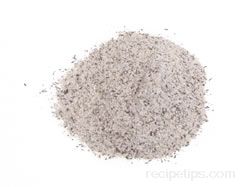
A variety of gluten free flour obtained by grinding the seeds of the buckwheat plant. Buckwheat flour has a slightly sour flavor and it is often processed with the addition of wheat flour in order to temper the taste.
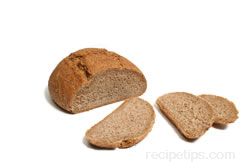
A type of pumpernickel bread that is usually a bit lighter and less dense than German pumpernickel due to a higher proportion of whole-wheat flour to rye flour.
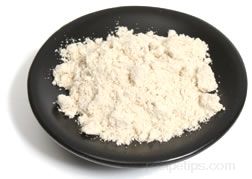
A type of flour milled from sorghum grain. Sorghum flour lacks gluten, so it isn’t suitable for making yeast breads.

A type of flour made from the Yuca root, also known as Cassava root. Another type of flour made from the Yuca root is referred to as Manioc flour, a coarse ground meal made from the grated flesh of the root.
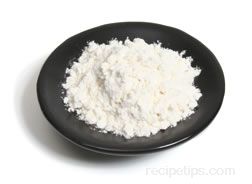
A variety of unbleached flour that is typically milled from hard wheat and blended with other ingredients to create flour that rises well.
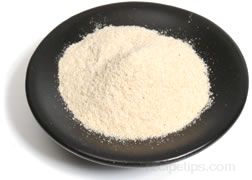
A type of flour milled from seeds obtained from the amaranth plant. The small, lens shaped seed or grain is light tan in color and provides a very mild tangy, somewhat peppery or nutty flavor, which may be quite noticeable if the flour is not combined with another flour when preparing baked foods.
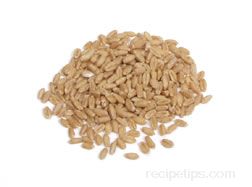
A plant that is a member of the grass family bearing a fruiting head that yields a grain that is most often ground into flour or meal.
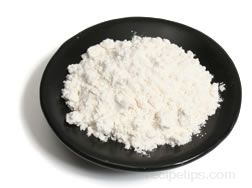
As the name suggests, a type of wheat flour that is suitable for most purposes. It is generally produced from a combination of high protein bread flour and low protein cake flour.
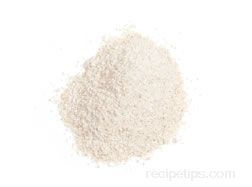
A flour similar to refined white pastry flour, however not all of the bran and germ portions of the wheat kernel have been removed during the milling process.
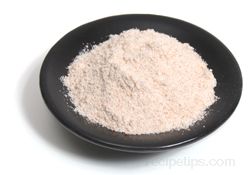
A type of whole-wheat flour that is slightly coarser than regular flour. The Rev. Sylvester Graham, an early advocate of healthier foods, developed the flour.
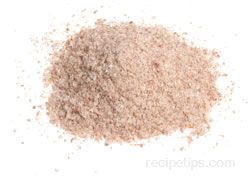
A type of flour made from rice kernels that have been processed to remove the outer hulls, but not the nutritious bran layers covering the kernel.
A type of flour ground from a high protein man-made grain produced by crossbreeding wheat and rye. Pronounced “trit-i-KAY-lee”, the name is a combination of the Latin botanical names of wheat and rye – “triti,” referring to triticum for wheat and “cale”, referring to secale for rye.
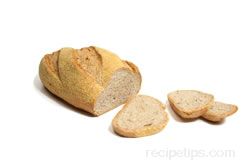
A type of rye bread containing a greater proportion of wheat flour than rye. It has a lightly colored crumb and a chewy, but tasty crust.
A type of quick bread that is very similar to Boston brown bread except that it is baked rather than steamed.
A type of flour that dissolves easily in liquids regardless of the temperature of the liquid. The flour dissolves as easily in cold liquid as it does in hot.
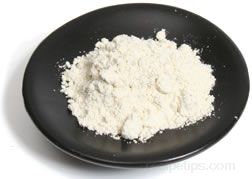
A type of flour produced from grinding quinoa seeds into a powder. Quinoa flour is rich in protein and nutrients, especially amino acids.
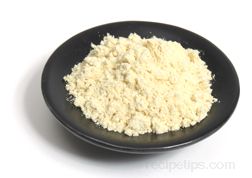
A high protein, gluten-free flour ground from roasted soybeans. Among the varieties available are full-fat, low-fat, and defatted soy flour.
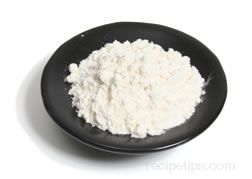
A type of flour, produced from hard wheat that has been treated to remove the starch. It contains a greater percentage of gluten (at least 70% pure) than other types of flour and a lower percentage of starch.
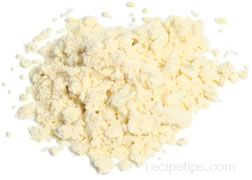
A type of flour milled from dried kernels of yellow corn. It is similar to cornmeal except that it is ground to a finer consistency than cornmeal.
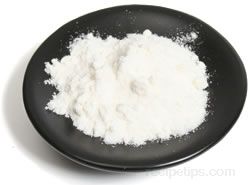
A type of flour produced from grinding polished rice (the bran and germ have been removed) into a powder.
Top 79 glossary terms found
Displaying 21-40 | << Prev 20 | Next 20 >>


Advertisement
Advertisement