
Loading
Search
We hope you found what you are searching for. If not, contact us and let us know what your want. We will do the work for you and get back to you when we're done.
natural foods - Glossary Search
Top 170 glossary terms found
Displaying 21-40 | << Prev 20 | Next 20 >>

Refers to foods that have a pH of 4.6 or lower. Acidic foods include most fruits, pickled vegetables, jams, and jellies.

Shovel shaped in design, this utensil is made to easily transfer bits of food and place them into containers or any kitchenware for use as food is being prepared.
A sugar alcohol naturally present in foods such as fruits and fermented foods. As part of a group of sugar alcohols that include fructose, glucose and sucrose, erythritol is a sweetener that is produced from glucose through a natural fermentation process.
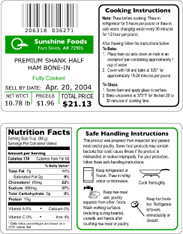
A method used to identify a variety of information regarding the contents of a package, bottle, carton, container or bag of food, such as ingredients, weight or nutritional information.

A guide showing the recommended daily food allowance, represented in a graphical manner using a pyramid shape.

A type of cookware made of bamboo that consists of individual cooking trays or layers with openings in the bottom, that are assembled together and used to cook food with the use of steam.
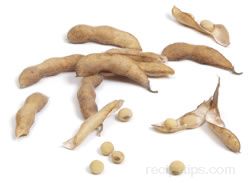
A nutritious legume that is round in shape, small in size, and very versitile as an ingredient for a variety of foods and food dishes.

A kitchen utensil used to puree, mash or coarsely grind various foods. Consisting of a round metal container with a curved blade at the bottom and a hand crank above to turn the blade, food is cut into small pieces and forced through holes in a disk that is positioned just below the blade at the bottom of the mill.
Originating in the U.S., this term describes the combining of two types or styles of food preparation and cooking into one fused result.
A chemical used in food processing to provide flavor, to preserve the food, and to deepen the natural colors of the food.
General practices and procedures that are necessary when handling, storing, or preparing food, to ensure that all types of food being served for consumption are protected from microorganisms that cause pathogens (agents that cause disease) to develop.

A type of cookware consisting of inserts or layers with perforations in the bottom, that are assembled together and used to cook food with the use of steam.
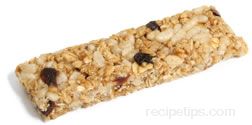
A group of products that are enriched with ingredients offering healthy alternatives for people seeking foods that may improve or act as a defense for various aliments and illnesses.
One of the naturally occurring chemicals that are produced in food as it is cooked or baked. Typically, foods with higher levels of starch, such as potatoes or products made from potatoes, produce Acrylamide when they are fried, due to the temperatures reached during the cooking process.
A B-vitamin that is naturally present in some foods such as broccoli, beans, bread, Brussels sprouts, corn, lentils, oranges, and spinach.
A group of related carbohydrates produced naturally by boiling red seaweed. Three types of carrageenan are extracted from seaweed, which are Kappa, Iota and Lambda, each with distinct properties to assist with the processing and development of food products.

An organic compound that is found naturally in various foods and plants such as cocoa beans (coffee and chocolate or chocolate milk products), tea leaves (teas), and kola nuts.
An amino acid naturally existing in foods such as spinach, mushrooms, chicken, turkey, beef, pork, lamb, game, beans, and milk.
A term first used by Asians attempting to identify flavors that are earthy, meaty, robust, pungent, or savory.
Long narrow, green leaves that grow by the sea in Asia and Australia. The rich green leaves that have a sweet floral flavor and are used most frequently in puddings, rice dishes and curries.
Top 170 glossary terms found
Displaying 21-40 | << Prev 20 | Next 20 >>


Advertisement
Advertisement