
Loading
Search
We hope you found what you are searching for. If not, contact us and let us know what your want. We will do the work for you and get back to you when we're done.
marinate - Glossary Search
Top 68 glossary terms found
Displaying 21-40 | << Prev 20 | Next 20 >>
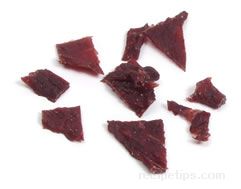
Meat that is typically refrigerated for several weeks, cooked at approximately 160° F, then sliced, seasoned, and preserved through a drying process that dehydrates the meat to make it shelf stable and ready to eat.
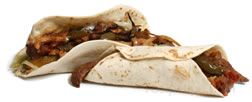
A Mexican dish consisting of thin strips of cooked meat, typically beef or chicken, that are placed into a tortilla with other ingredients and rolled up to be eaten out of hand or on a plate.

An olive that has the flesh split open either manually or by a machine with thin, sharp blades in order to allow a marinade of oils (such as olive oil) vinegars, herbs (such as herbes de Provence), and spices (basil, garlic, fennel, lemon, onion, or others), to penetrate the meat faster.

1. A Japanese wine which is made from steamed, fermented rice and does not require aging. It has a slightly sweet taste and is a popular alcoholic beverage served warm in Japan.
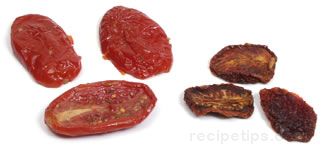
A tomato that has been sliced or cut in half and then dried in the sun (or in an oven). Drying the tomato gives it an intense, sweet flavor, that may also be somewhat tart, and a very chewy texture if completely dried and not marinated in oil.
A classic Italian sauce that is made with tuna and anchovies that are puréed with egg yolks, lemon juice, olive and tuna oil, and seasonings.

A large dried bean that is round in shape, white in color and similar to a fava bean. Both a sweet albus and bitter albus variety of this bean seed are grown for consumption, however, the bitter if not soaked may be toxic.
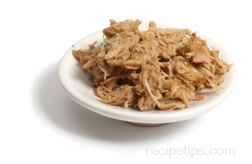
A method to prepare fully cooked poultry that has the skin removed so the meat can first be pulled off the bones and then pulled into shreds.
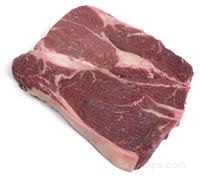
A slice of beef, cut from various areas of the beef carcass, ranging in thickness between one-half to one inch and of a size intended to be one serving (many steaks can easily feed two people).
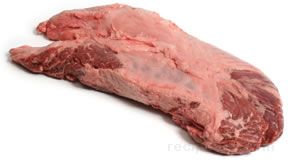
The Hanger Steak or Hanging Tenderloin as it is also known, is the thick strip of meat that is located on the underside of the carcass and hangs between the last rib and the loin.
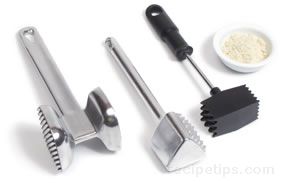
A process to reduce the toughness of meat fibers in a cut of meat. Tenderizing breaks down the meat fibers and softens the meat, making it easier to chew and more palatable.
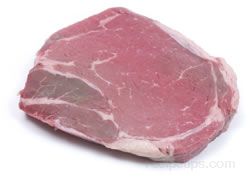
A boneless beefsteak cut from the top butt muscle (near the hip) of the sirloin just ahead of the round.
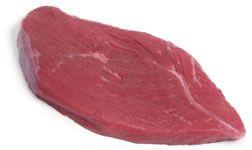
The round tip beefsteak is cut from the untrimmed round tip roast. If the steak is obtained from the trimmed roast, it is known as a trimmed tip steak or a ball tip steak.
A term used to describe the process of dicing ingredients into 1/4 inch cubes or a term that is used to describe a preparation of fruits or vegetables that have been diced (cubes that are 1/4 inch square) to be served either cold (raw) or hot (cooked).
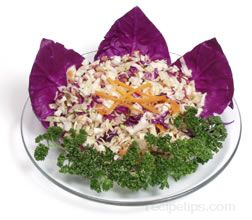
A salad prepared with shredded, finely sliced or square bits of cabbage that is most often a white cabbage.
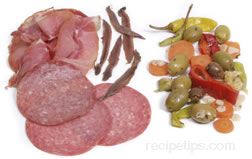
Translated as ''before the meal'' in Italian, this term refers to an appetizer course served prior to an Italian meal.
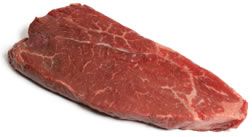
Another name for a center cut steak from the boneless chuck shoulder. The name “Ranch Steak” is a supermarket name used as a marketing tool to give the boneless chuck shoulder center cut steak a more attractive and easier to remember name for the consumer.
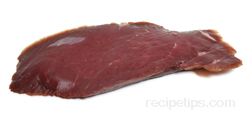
A large bird ranging in size from 250 to 400 pounds at maturity, that is generally raised to produce meat, feathers, and skin for speciality markets throughout the world.
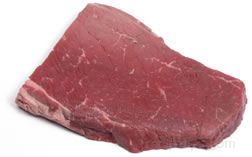
A thick beefsteak cut from the inside muscle of the upper portion of the rear leg (the round primal).
A crosscut steak from the beef sirloin. There are several different sirloin beefsteaks and each is given a different name depending on the shape of the piece of hipbone that is contained within the steak: 1) pin bone, which is a crosscut from the front section of the hip, next to the Porterhouse, and is the most tender of the bone-in sirloin steaks; 2) flat bone, which is another crosscut from the front section of the hip; 3) round bone, which is a third crosscut steak from the front section of the hip; and 4) wedge bone, which is the least tender of the four because of its proximity to the rump.
Top 68 glossary terms found
Displaying 21-40 | << Prev 20 | Next 20 >>


Advertisement
Advertisement