
Loading
Search
We hope you found what you are searching for. If not, contact us and let us know what your want. We will do the work for you and get back to you when we're done.
grain products other grains - Glossary Search
Top 71 glossary terms found
Displaying 21-40 | << Prev 20 | Next 20 >>
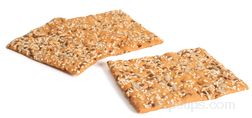
A term used to describe food that complies with the USDA (United States Department of Agriculture) standards for natural processing, handling, and labeling.
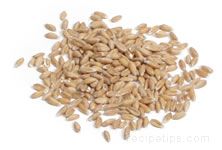
An ancient cereal grain that originated in southern Europe, which is related to modern wheat. Many people think of spelt as a type of wheat and although they are of the same family, spelt is of a different species.
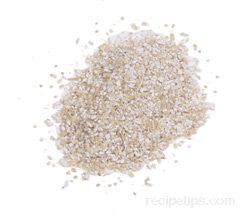
The nutrient packed layers covering the inner kernel of most grains. Bran is loaded with insoluble fiber, which is important for digestive health, and soluble fiber, which helps to lower the cholesterol level in the blood.
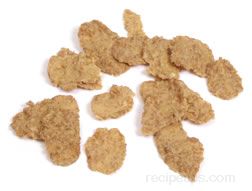
Whole-wheat kernels that are steamed, flattened through rollers, and flaked, to retain most of their nutrition, as they become a form of uncooked grain, not a ready-to-eat cereal.

A person who does not consume meat or meat products. There are different categories of vegetarians based on the type of foods consumed and desired for their daily diets.
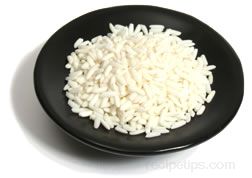
A short grain variety of rice that sticks together when it is cooked. This variety is generally used for commercial product formulations rather than home recipes, converting the rice starch and flour into food binders for fillings, gravies and sauces.
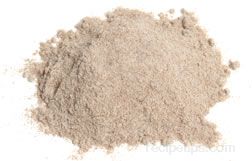
A type of flour milled from teff grain. Teff flour is high in calcium, iron, magnesium, zinc, and thiamin and it is a good source of fiber.
A cereal plant that is native to Africa, but is cultivated in many parts of the world. Sorghum is sometimes confused with millet.
A short grain variety of white rice that sticks together when it is cooked. This variety is generally used for commercial product formulations rather than home recipes, converting the rice starch and flour into food binders for fillings, gravies and sauces.
A short grain variety of white rice that sticks together when it is cooked. This variety is generally used for commercial product formulations rather than home recipes, converting the rice starch and flour into food binders for fillings, gravies and sauces.
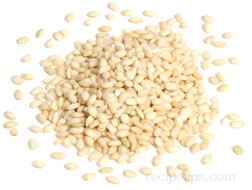
A short grain variety of opaque rice that sticks together when it is cooked. This variety is generally used for commercial product formulations rather than home recipes, converting the rice starch and flour into food binders for fillings, gravies and sauces.
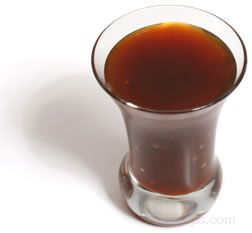
A grain syrup and food sweetener made from sprouted barley that has limited use in general baking. It is used more often for the production of beverages, such as beer, due to the concentration of enzymes for the conversion of starches to sugar, the rich supply of protein for yeast, and its distinctive malt flavor.
A powder substance, not to be confused with malted milk powder, that is made from dried whole grains ground into a fine textured flour for use in making baked goods more nutritious and better tasting.
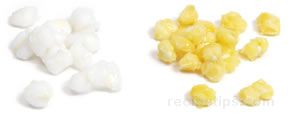
A corn product created by soaking white or yellow corn kernels in scalding water that is mixed with a chemical solution, such as a mild lye or slaked lime.
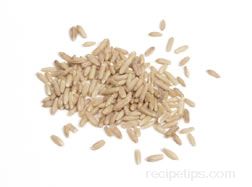
A cereal plant that thrives in temperate climates, preferring cool, moist conditions and growing in areas where other important grains, such as wheat and corn, do not grow well.
A high protein man-made grain produced by crossbreeding wheat and rye for the intended purpose of duplicating the protein and bread-making merits of wheat and the durability and high lysine content of rye.
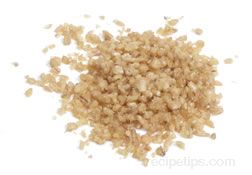
Coarse ground Greek pasta made from semolina grain, which is traditionally combined with wheat flour, milk, and eggs to make a side dish similar to soup.
A colorless liquor, that is distilled from the fermented mash of potatoes, corn and other grains, or fruit.
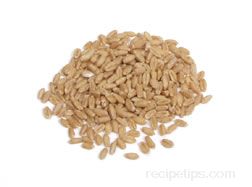
A plant that is a member of the grass family bearing a fruiting head that yields a grain that is most often ground into flour or meal.
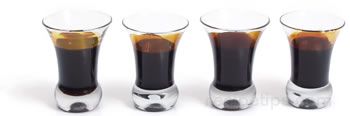
A thick, strong flavored syrup, produced as a by-product when sugar is refined through several boilings of sugar cane or sugar beets.
Top 71 glossary terms found
Displaying 21-40 | << Prev 20 | Next 20 >>


Advertisement
Advertisement