
Loading
Search
We hope you found what you are searching for. If not, contact us and let us know what your want. We will do the work for you and get back to you when we're done.
grain - Glossary Search
Top 250 glossary terms found
Displaying 21-40 | << Prev 20 | Next 20 >>
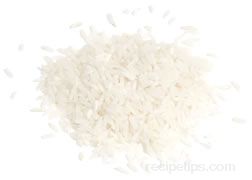
Rice with a length that is four to five times its width. The rice is fluffy and dry when cooked and because of its low starch content, the rice separates easily without excessive stickiness.
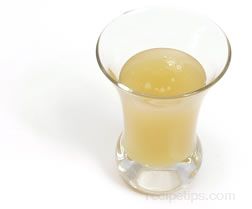
A grain syrup and sweetener made from whole grain rice that has been cultured and fermented with enzymes to break down the natural starches into complex carbohydrates, maltose and glucose.
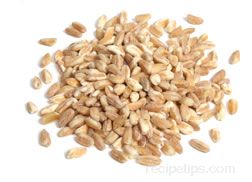
An ancient Italian grain that is similar in taste to barley. In the United States, farro is known as a type of spelt or wheat.

A term used to describe a grain as well as a sugar produced from the grain, and a product produced from malt, such as a malt beverage.
A short-grain rice variety that is one of the best for the production of sake, which is a popular Japanese rice wine.
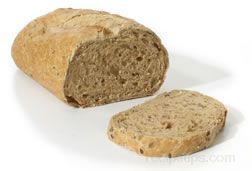
Bread made up of multiple grains, generally six to nine different grains are used, such as oats, rice, corn, triticale, rye, wheat, barley, buckwheat, millet, soy, and flax.
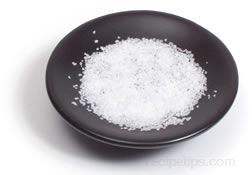
A coarse grained salt that has been prepared according to Jewish laws and procedures, thus keeping it "kosher." Free of additives combined with the salt particles, the grains have been compressed, creating a flatter, yet coarsed grain with a lighter weight that sticks better to food and dissolves easily.
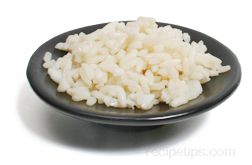
A variety of rice that was produced from cross breeding an Italian rice known as Rb rice, with long grain rice from the U.S.
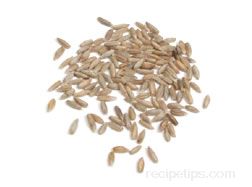
A plant that produces a cereal grain that has a very assertive and hearty flavor with a slightly bitter taste.
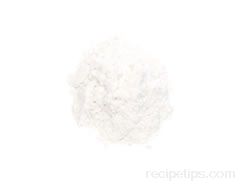
Raw long or short grain rice that has been ground into a very fine powder. Flour made from long grain rice is used to make a soft, light bread and other baked goods.
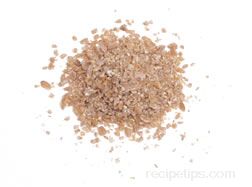
A form of wheat in which whole-wheat berries have been crushed or “cracked” into smaller pieces. Cracked wheat is used as an ingredient in cracked grain and multi-grain breads, pilafs, stuffings, and breakfast cereals, providing a crunchy texture with a nutty flavor.
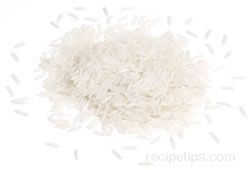
A long-grain rice that is approximately four times longer than it is wide. Basmati is one of the most popular long-grain rice varieties due to its texture, nutty flavor, and popcorn-like aroma.
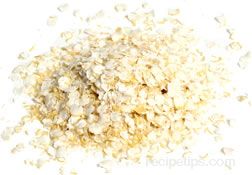
A type of grain flakes made from quinoa seeds. The whole-grain quinoa is pressed using a process that rolls and flattens the seeds into flakes.
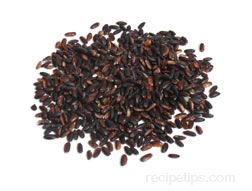
A type of medium-grain Italian rice that is known for its natural black and rust colored grains and its pleasing aroma.
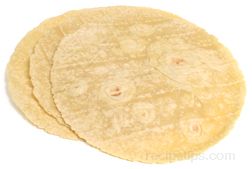
A type of grain cultivated in Ethiopia where it is a staple food crop. Teff is difficult to find in great quantities anywhere else in the world.
A grain culture used as a catalyst for fermentation. Koji is used in fermenting grain products that become ingredients in various foods, such as miso paste.
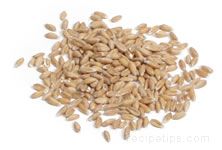
An ancient cereal grain that originated in southern Europe, which is related to modern wheat. Many people think of spelt as a type of wheat and although they are of the same family, spelt is of a different species.
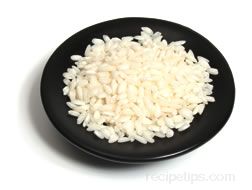
A short-grained Italian rice that features small plump grains, a high starch content, and a creamy texture when cooked.
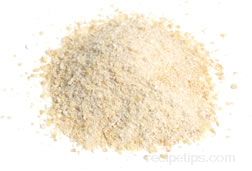
The brand name for a type of flour milled from grain that is closely related to durum wheat and is often considered a specialty grain.
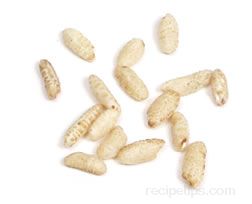
A form of rice in which the rice grains are expanded to a volume that is several times larger than their original size.
Top 250 glossary terms found
Displaying 21-40 | << Prev 20 | Next 20 >>


Advertisement
Advertisement