
Loading
Search
We hope you found what you are searching for. If not, contact us and let us know what your want. We will do the work for you and get back to you when we're done.
acid - Glossary Search
Top 157 glossary terms found
Displaying 1-20 | Next 20 >>

Acid that is used to kill yeasts and molds during wine making. The use of sorbic acid has the ability to produce an unpleasant odor.
Essential fatty acids that our bodies are unable to produce without obtaining them from food. Linolenic acid is the primary Omega-3 fatty acid, which can be acquired through many fats, oils, nuts and soybeans.
An acid in wine which adds sharpness. High concentrations of malic acid is avoided by reducing through intentional malolactic fermentation.
Found in a variety of plants, this compound is a distinctive and prevalent acid commonly used in the production of food and industrial products.
Naturally found in grapes, this essential component contributes to the crispness, sourness, sharpness, and tartness of a wine.
A class of organic compounds that are the building blocks from which proteins are constructed. The body can manufacture some amino acids, but other essential amino acids must be obtained through diet.
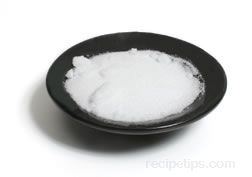
A naturally occurring, tart tasting compound formed in many fruits, such as gooseberries, lemons, limes, and pineapples.
Also known as trans fat, this is a type of fat that is created when oils are partially hydrogenated, which occurs by adding hydrogen to the oil so ir remains solid rather than liquid.
A chemical compound that forms from bacteria and oxygen as they interact with alcohol produced from fermented products, such as beer and wine.
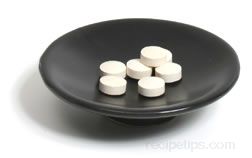
Another name for vitamin C, which is found in citrus fruits, green leafy vegetables, peppers, melons, and berries.
A B-vitamin that is naturally present in some foods such as broccoli, beans, bread, Brussels sprouts, corn, lentils, oranges, and spinach.
A canning method where jars are filled with raw, unheated food. This method is acceptable for low-acid foods, but for acid foods it allows rapid loss of quality.
An acidic substance used as food additives that act as control agents to alter food ph levels in beverages and sweets or to serve as levening agents for breads.
One of three main categories of basic nutrients (the others are carbohydrates and fat) that are used by our cells for the building, repair and maintenance of our muscles, organs and glands, enabling our body to defend against infection, disease and loss of daily functions.
An amino acid naturally existing in foods such as spinach, mushrooms, chicken, turkey, beef, pork, lamb, game, beans, and milk.
Describes the quality of sourness, sharpness, and tartness of a wine. It is the taste in the mouth when consumed.
poly unsaturated fat, poly-unsaturated fat,
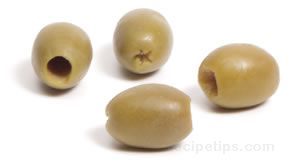
A California olive that has a large oval shape and is green in color. It is brine-cured and preserved with the natural lactic acid produced by the olive or by a commercially produced grade of lactic acid.

A canner used to cook, sterilize and preserve high acid foods that are to be canned for future use. The steam canner consists of a water pan, a jar rack and a dome steam cover.
The tannin or acid that supports the wine is referred to as the backbone of the wine.
Top 157 glossary terms found
Displaying 1-20 | Next 20 >>


Advertisement
Advertisement