
Loading
Search
We hope you found what you are searching for. If not, contact us and let us know what your want. We will do the work for you and get back to you when we're done.
pasta pot - Knowledge Search
Top 21 articles found
Displaying 1-20 | Next 1 >>
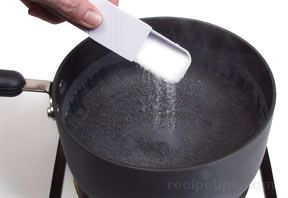
Boiling is the method most often used for cooking pasta. It is also used in conjunction with some of the other cooking methods, such as stir-frying and baking. When boiling pasta it is important to use a sufficient amount of water, generally a quart of water per 4 ounces of pasta is satisfactory.

Shopping Tips | Homemade Pasta Tips | Reheating Tips | Handling and Safety TipsChecking Doneness | Light Tips | Cooking Tips
Shopping Tips:
When purchasing fresh pasta, it is important that you check for the expiration date to ensure that the pasta will be fresh when you are ready to use it.
Contamination Prevention | Cooking Safety | Proper Storage
Contamination Prevention
Cleanliness: A clean working environment is essential in the prevention of contamination in working with pasta and other foods.
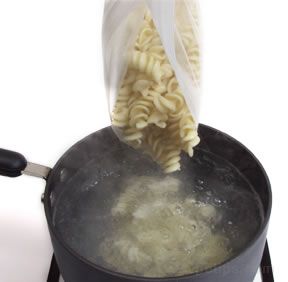
Plain pasta and pasta dishes can be reheated in the oven, microwave or on the stovetop. The method that works best depends on the quantity and type of pasta or pasta dish you are reheating.
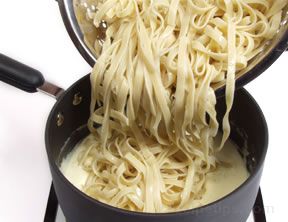
Most pastas have a similar flavor but when the sauce is added, the pasta and sauce create their own unique flavor. There are many types of sauces that can be used but some go better with certain types of pasta than others.
Light Tips for Pasta Dishes
Prepare dishes flavored with vegetables and herbs rather than meats and cream sauces.
When possible, use low-fat cheese, such as ricotta or cottage cheese in place of other cheeses.
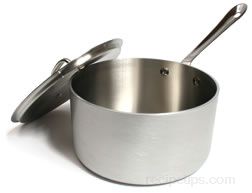
Cookware Materials | Types of Pots and Pans
Cookware consists of different types of pots and pans that are used for specific purposes. Some of the pieces of cookware can be substituted for a type you may not have and still accomplish the type of cooking you need to perform.
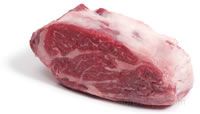
Pot Roasts
Cuts from the chuck are among the most popular cuts for pot-roasting (braising). They have plenty of connective tissues that melt when the meat is pot-roasted making it tender and flavorful.
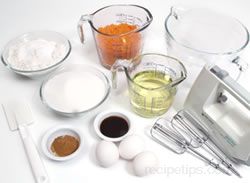
Reading the Recipe | Ingredient Preparation | Scaling Your Recipe
Knowing how to follow and read your recipe will help make your cooking or baking experience a success. Properly preparing your ingredients, using proper cooking times and temperatures, and proper bakeware or cookware all assist in the success of your end product.
Fresh Beans | Fresh Bean Preparation | Fresh Bean Cooking | Fresh Bean TipsDried Beans | Dried Bean Preparation | Dried Bean Cooking
Beans
A generic name given to various plants in the legume family.
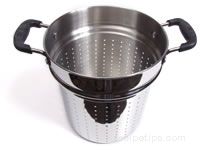
The basic cooking method most often used for cooking pasta is boiling. There are a few other methods used to cook specific types of pasta and Asian noodles. The other methods used are baking, deep-frying, and stir-frying.
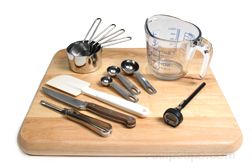
crock pot, slow cooking
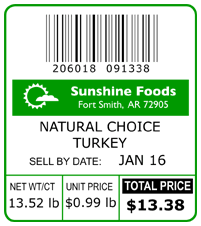
Use the charts below to help determine how much to buy of the foods listed below when preparing a meal or a recipe for a specific number of people.
Pasta Buying Guide | Rice Buying Guide | Egg Buying Guide | Meat Buying Guides
Pasta Buying Guide
The quantities in the chart below are approximates only.
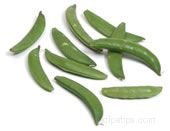
Fresh Pea & Pod Pea Preparation | Fresh Pea & Pod Pea CookingDried Field Pea Preparation | Dried Field Pea CookingPea Recipes | Tips
Peas
Varieties of small round legumes that are typically classified as fresh, field or pod peas.
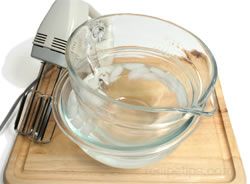
Ingredient Tips | Preparation TipsCooking & Baking Tips | Miscellaneous Tips
There are an endless number of kitchen tips available for you to try. Shown below are some popular tips that will help you in your everyday use of some common baking and cooking ingredients.
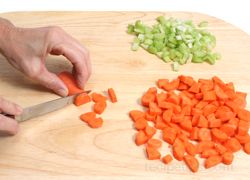
crock pot, slow cooker, slow cooking
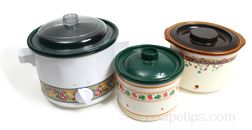
crock pot, slow cooker, slow cooking
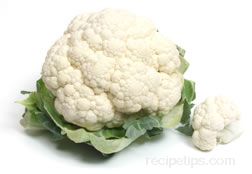
Cauliflower Preparation | Cauliflower Cooking | Tips
Cauliflower
A vegetable that consists of undeveloped white florets attached to a single stem that form a compact, cabbage-like head, called a curd.
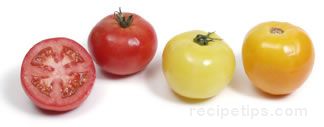
Tomato Preparation | Tomato Cooking | Tips | Tomato Garnish
Tomatoes
In the plant family, the tomato is classified as a fruit (berry), but when eaten it resembles a vegetable.
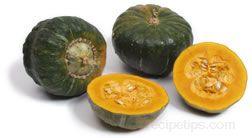
Winter Squash Preparation | Winter Squash Cooking | Tips
Winter Squash
Squash: The fruits of various members of the gourd family, which fall into two classifications, summer squash and winter squash.
Top 21 articles found
Displaying 1-20 | Next 1 >>


Advertisement
Advertisement