
Loading
Search
We hope you found what you are searching for. If not, contact us and let us know what your want. We will do the work for you and get back to you when we're done.
low cholesterol - Knowledge Search
Top 34 articles found
Displaying 1-20 | Next 14 >>
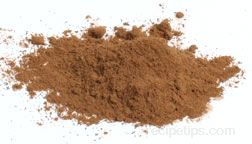
Use this food substitution and conversion chart to select ingredient substitutes when you are cooking and your recipe suggests ingredients you do not have available.
Herbs, Spices and Seasonings | Baking Ingredients | Cheese and Dairy Products | Eggs | Fats, Oils and Vinegars | Fruits and Vegetables | Miscellaneous | Healthy
Herbs, Spices and Seasonings Substitutions
Food
Amount
Substitute
Allspice
1 tsp
1/2 tsp cinnamon, 1/2 tsp ground cloves OR1/2 tsp ground cinnamon, 1/4 tsp.
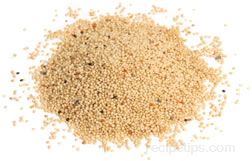
General Nutritional Facts of Grains | Specific Nutritional Facts of Individual Grains
General Nutritional Facts of Grains
Grains are composed primarily of carbohydrates, but the quantity varies according to the type of grain.
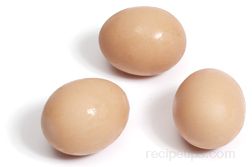
Eggs and Cholesterol | Health Benefits of Eggs | Nutrients in Chicken EggsNutrients in Other Types of Eggs | Comparing Different Types of Eggs
Eggs and Cholesterol
The average large chicken egg has about 213 milligrams of cholesterol, which is all contained within the yolk.
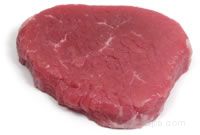
Comparison of Various Cuts of Beef with Chicken | Miscellaneous Nutritional Tips
The USDA recommends 2 or 3 servings of meat, fish, or poultry per day. One serving of cooked beef is equal to 3 ounces and is about the size of a deck of cards.
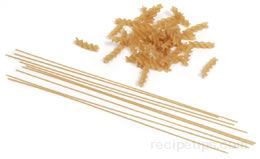
Pasta was once considered to be fattening and have very little nutritional value. Nutritional experts now realize the value of pasta in our diet. Grain based foods, such as pasta, are a good source of fiber and complex carbohydrates.

The USDA recommends 2 or 3 servings of meat, fish, or poultry per day. One serving of cooked lamb is equal to 3 ounces and is about the size of a deck of cards. An average 3-ounce serving of lamb contains about 176 calories, which is comparable to many other types of red meat and poultry.
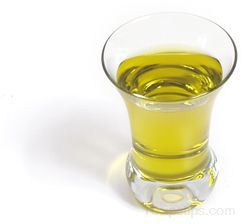
Types of Fat Structures | Fat Composition of Oils and Solid FatsThe Controversy over Coconut Oil | Olive Oil Nutritional Facts
Types of Fat Structures
All edible oils and solid fats are 100% fat, but the components that make up the fat structure of a particular edible fat are important in determining whether or not it is considered healthy.
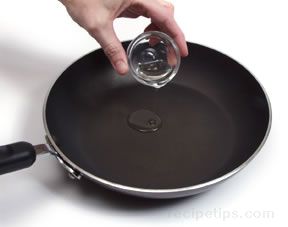
Sautéing | Pan-Frying | Stir-Frying | Deep-Frying | Grilling and BroilingBaking with Olive Oil | Smoke Point | Cooking Guidelines
Sautéing
Sautéing is a cooking process using high heat that browns and sears food quickly in a small quantity of oil or fat in a skillet.
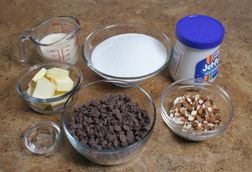
Dry Ingredients | Solid Ingredients | Liquid Ingredients | Fat Ingredients
There are many ingredients that have special functions in the baking and cooking process. Some functions are critical to the success of the finished product.
Carbohydrates and the Body | The Insulin Factor | The High Protein Factor
The market is inundated with low-carb lifestyle programs. Though each program is different in their approach, they are united in one basic principal: By controlling your daily intake of starchy carbohydrates and replacing them with high protein foods you will lose weight, feel satisfied, and create a healthy new lifestyle.
The USDA recommends 2 or 3 servings of meat, fish, or poultry per day. A serving of any type of cooked meat is equal to 3 ounces and is about the size of a deck of cards. Concerns over saturated fat and cholesterol have caused many people to reduce or eliminate their consumption of many types of red meat and to choose a healthier alternative such as turkey.

Turkey Meat Nutritional Value | Turkey Products Nutritional ValueTurkey Cooking Nutritional Tips
The USDA recommends 2 or 3 servings of meat, fish, or poultry per day. A serving of any type of cooked meat is equal to 3 ounces and is about the size of a deck of cards.
Oil Extraction Methods | Types of Edible Liquid FatsOlive Oil Basics | Types of Olive Oil
Oil Extraction Methods
There are numerous edible oils obtained from plant sources that are used for hundreds of culinary, pharmaceutical, and cosmetic products.
When preparing fish you want to be sure that the fish is handled properly to ensure it is safe to eat. There are several cooking methods that include baking, frying, and grilling, which all result in a little different taste for the fish when it is done cooking.
Most fish are low in fat and cholesterol and a good source of protein, which makes them a good choice for a healthy diet. Our bodies require a certain amount of protein daily and the body does not store protein so we need to replenish it in our daily diet.
Nutritional Advantages | All About Gluten
Nutritional Advantages of Various Types of Flour
Most types of flour are composed mainly of carbohydrates, but the quantity varies according to the type of substance used to create the flour.
Pork producers today have significantly changed production methods to produce much leaner meat than 25 years ago. Better breeding and feeding of the hogs and a grading system that stimulates the meat packers to trim more of the external fat than they did in the past has resulted in leaner meat.
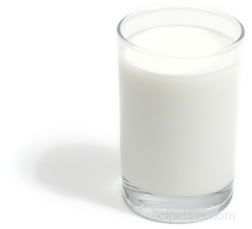
Types of Milk | Animal Feed | Geology | Seasons and Weather
Types of Milk
Milk from Animals
Most types of cheese that consumers have become accustomed to seeing on store shelves are produced from the milk of three animals: cows, sheep, and goats.
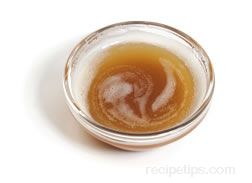
Most of the edible fats described below are solid or semisolid at room temperature and most are from animal sources. A small number of plant fats are also naturally solid or semisolid at room temperature.
Top 34 articles found
Displaying 1-20 | Next 14 >>


Advertisement
Advertisement