
Loading
Search
We hope you found what you are searching for. If not, contact us and let us know what your want. We will do the work for you and get back to you when we're done.
flour preparation guide - Knowledge Search
Top 41 articles found
Displaying 1-20 | Next 20 >>
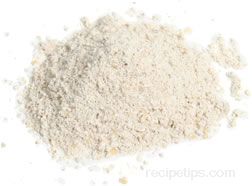
Types of Wheat Flour | Types of Non-Wheat FlourImportance of Gluten | Wheat/Non-Wheat Flour Proportions
Flour is the main ingredient in all types of breads. Different types of flour milled from wheat are most commonly used for making bread.
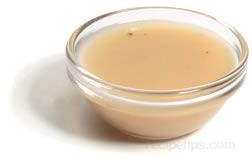
Flour Used as a Thickening Agent | Frying | Deep-Frying | Baking
Flour Used as a Thickening Agent
Flour is one of the most often used thickening agents when cooking foods such as sauces, gravies, soups, stews, and gumbos.

Generally the color of the pasta is a result from the flavoring agent used in the pasta. The taste from the flavoring agents is most often fairly mild. Shown below are some of the most common flavoring agents and how to add them to your homemade pasta.
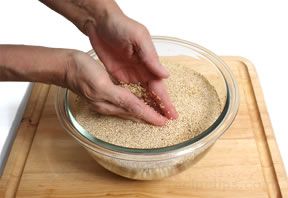
Grinding or milling various types of flour in the home can be accomplished with only a few basic tools. Some tools make the job easier and some types of flour are easier to create depending on the type of grain or other substance that is used.
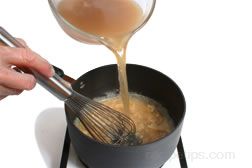
Useful Gravy Making Tools | Traditional Methods for Making GravyQuick Method for Making Gravy | Adjusting the Consistency | Gravy Making Tips
There are many recipes available for making turkey gravy, but you will find that most of them call for the use of the turkey drippings and the browned bits from the bottom of the roasting pan (formed as a result of oven roasting the turkey) combined with a small amount of fat, to produce gravy with the best flavor and color.
crock pot, slow cooking
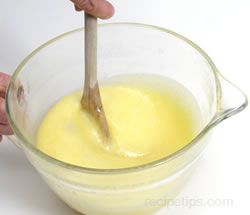
Flour is used as the main ingredient for many types of food items including breads, rolls, biscuits, pancakes, waffles, cakes, pastries, and pasta. Some food items, such as cakes, waffles, and pancakes, require only a batter to be created, which is usually liquid enough to be poured, while foods such as breads, rolls, and pasta require a dough to be formed, which is a heavier mass that usually requires some kneading or rolling.
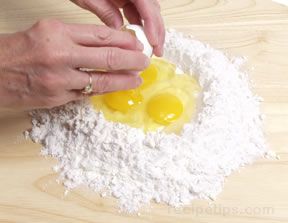
Making homemade pasta takes time and effort but it is an inexpensive way of providing you with a fresh, delicious tasting, delicate textured pasta. There are tools available to assist in the pasta making process that will make it easier and save time.
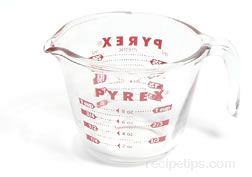
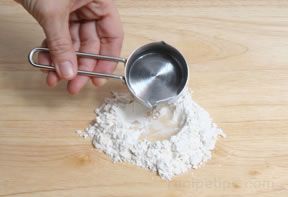
Individual graduated dry measuring cups are used to measure large quantities of flour while measuring spoons can be used to measure the smallest quantities.
When measuring flour, it is best to fill the measuring device until the flour is heaping above the rim.
Sourdough Starter | Sponge Starter | Old Dough Method
The primary difference between making bread with a starter and making bread with the direct or straight yeast method is that starter breads require much more time to prepare, but the flavor and texture of the bread is almost impossible to achieve with other leavening methods.
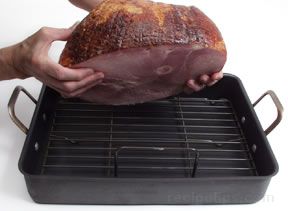
Some tasks to be aware of when preparing and baking a ham: thawing the ham properly, keeping a clean working area, and preparation for the cooking method being used. Most hams are prepared in the same basic manner for many of the ham recipes you will use.
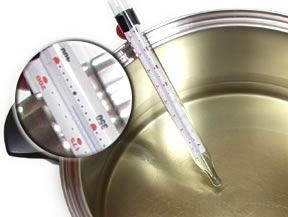
Cooking Times | Baking Fish | Pan-frying Fish | Deep-Frying FishGrilling & Broiling Fish | Doneness | Cooking Tips
Fish can be prepared using almost any type of cooking method including baking, steaming, frying, grilling, broiling, or slow cooking.
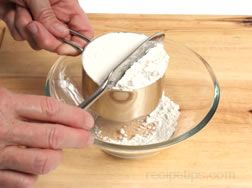
Measuring Dry Ingredients | Weight Versus VolumeMeasuring Solid Fats | Measuring Liquid Ingredients
When making bread, it is critical to use precise measurements. Unlike general cooking in which precise measurements are often not as critical, inaccurate measurements in bread making (and most baked items) affect the chemical processes that occur during the preparation and baking.
Reading the Recipe | Ingredient Preparation | Scaling Your Recipe
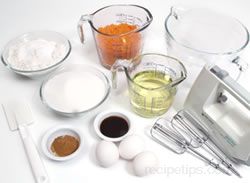
Knowing how to follow and read your recipe will help make your cooking or baking experience a success. Properly preparing your ingredients, using proper cooking times and temperatures, and proper bakeware or cookware all assist in the success of your end product.
Measuring | Mixing, Rising, and KneadingAdditional Tools for Preparation | Baking | Serving
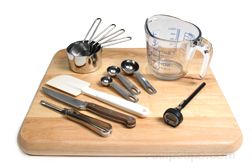
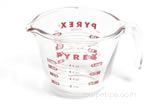
Most of the kitchen tools and devices necessary for bread making are simple items that are found in most home kitchens: measuring cups and spoons, a large bowl (preferably glass), a large spoon (preferably wood), a work surface, a dish towel, a sharp knife, and a baking sheet.
Hand Mixing on a Flat Surface | Hand Mixing in a Bowl
Hand Mixing on a Flat Surface (Well Method)
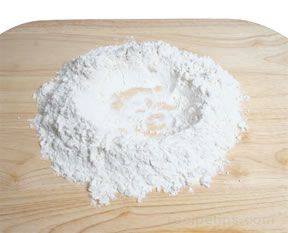
A traditional method for dough preparation is to combine the dry and liquid ingredients directly on a clean, smooth work surface.
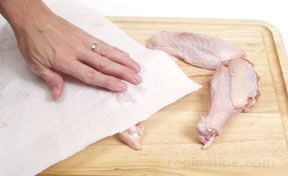
Dredging is a process in which foods are pulled through dry ingredients, such as flour, in order to coat the food before cooking. Flour can be used alone as a coating, but it is more often combined with other dry ingredients such as herbs, spices, salt, or breadcrumbs to create a seasoned coating on the food that becomes brown and crispy after it is cooked.
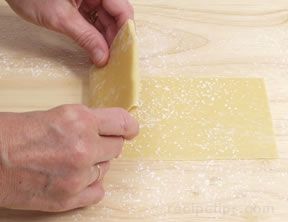
Homemade pasta can be cut into many shapes and sizes but the options
are limited in comparison to factory made dried pastas. Some shapes and
sizes can be cut by hand but many must be formed by the use of a machine
and special cutting rollers and dies.
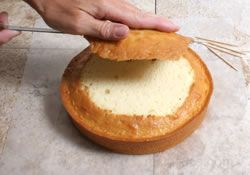
Proper cake preparation is the basis for a well decorated cake, but before you begin to prepare the cake the proper cake pan preparation should be done. Check your cake recipes for instructions on how to prepare the cake pans because preparation may vary for different cakes.
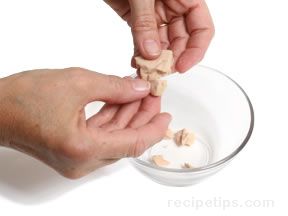
Fresh Cake Yeast | Active Dry Yeast | Quick-Rising Active Dry Yeast
Yeast that is activated in warm water before it is mixed with the flour and other ingredients to form dough, is the simplest leavening method for preparing yeasted breads.
Top 41 articles found
Displaying 1-20 | Next 20 >>


Advertisement
Advertisement