
Loading
Search
We hope you found what you are searching for. If not, contact us and let us know what your want. We will do the work for you and get back to you when we're done.
flour cooking guide - Knowledge Search
Top 82 articles found
Displaying 1-20 | Next 20 >>
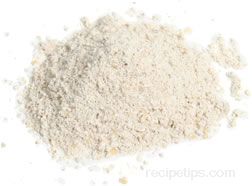
Types of Wheat Flour | Types of Non-Wheat FlourImportance of Gluten | Wheat/Non-Wheat Flour Proportions
Flour is the main ingredient in all types of breads. Different types of flour milled from wheat are most commonly used for making bread.
crock pot, slow cooking
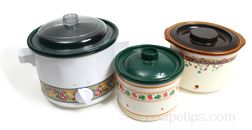
crock pot, slow cooker, slow cooking
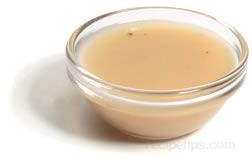
Flour Used as a Thickening Agent | Frying | Deep-Frying | Baking
Flour Used as a Thickening Agent
Flour is one of the most often used thickening agents when cooking foods such as sauces, gravies, soups, stews, and gumbos.
Cooking Times | Baking Fish | Pan-frying Fish | Deep-Frying FishGrilling & Broiling Fish | Doneness | Cooking Tips
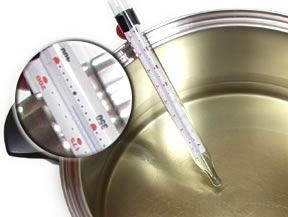
Fish can be prepared using almost any type of cooking method including baking, steaming, frying, grilling, broiling, or slow cooking.

Generally the color of the pasta is a result from the flavoring agent used in the pasta. The taste from the flavoring agents is most often fairly mild. Shown below are some of the most common flavoring agents and how to add them to your homemade pasta.
Sautéing | Pan-Frying | Stir-Frying | Deep-Frying | Grilling and BroilingBaking with Olive Oil | Smoke Point | Cooking Guidelines
Sautéing
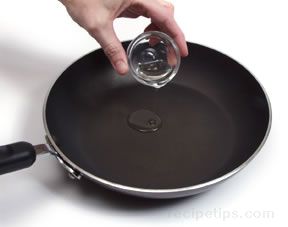
Sautéing is a cooking process using high heat that browns and sears food quickly in a small quantity of oil or fat in a skillet.
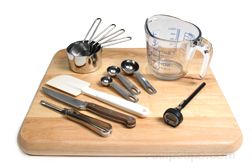
Useful Gravy Making Tools | Traditional Methods for Making GravyQuick Method for Making Gravy | Adjusting the Consistency | Gravy Making Tips
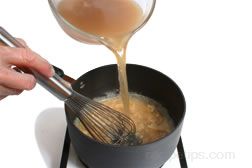
There are many recipes available for making turkey gravy, but you will find that most of them call for the use of the turkey drippings and the browned bits from the bottom of the roasting pan (formed as a result of oven roasting the turkey) combined with a small amount of fat, to produce gravy with the best flavor and color.
Reading the Recipe | Ingredient Preparation | Scaling Your Recipe
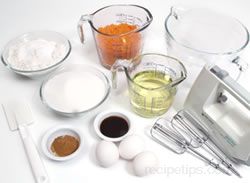
Knowing how to follow and read your recipe will help make your cooking or baking experience a success. Properly preparing your ingredients, using proper cooking times and temperatures, and proper bakeware or cookware all assist in the success of your end product.
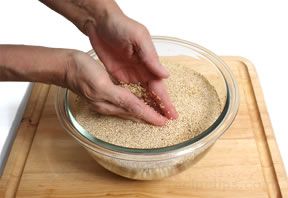
Grinding or milling various types of flour in the home can be accomplished with only a few basic tools. Some tools make the job easier and some types of flour are easier to create depending on the type of grain or other substance that is used.
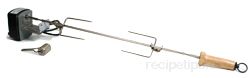
General Guidelines | Charcoal Grill | Gas Grill | Doneness
Rotisserie cooking requires three key components: The spit assembly, a means to turn the spit, and a heat source for cooking.
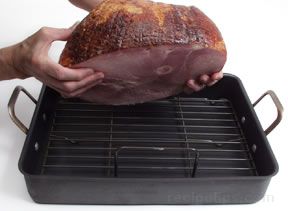
The roasting method can be used on all types of ham with a slight variation in the ham cooking time. Roasting is often used for cooking ham, but there are many other methods that can be used; see the Ham Cooking Guide for more information on how to cook a ham.
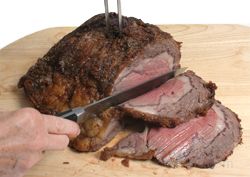
Purchasing | Preparing Prime Rib | Prime Rib Marinades | Rubs for Prime RibCooking Prime Rib | Checking Doneness | Carving Prime Rib | Serving Prime Rib
Knowing how to cook prime rib requires the understanding of only a few preparation steps and watching the temperature of the prime rib closely as it cooks.
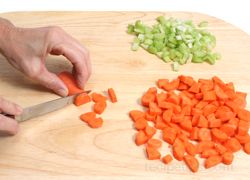
crock pot, slow cooker, slow cooking
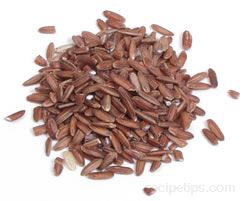
Cooking Rice with the Absorption Method | Cooking Paella | Cooking Risotto
Cooking Rice with the Absorption Method
Cooking rice with the absorption method is, perhaps, the method that most people are accustomed to when cooking rice, but it is often the most difficult.
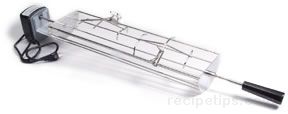
General Guidelines | Charcoal Grill | Gas Grill | Doneness | Roasting a Whole Lamb
Rotisserie cooking requires three key components: The spit assembly, a means to turn the spit, and a heat source for cooking.
Some tasks to be aware of when preparing and baking a ham: thawing the ham properly, keeping a clean working area, and preparation for the cooking method being used. Most hams are prepared in the same basic manner for many of the ham recipes you will use.
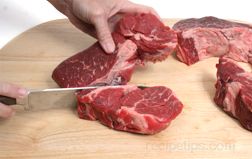
crock pot, slow cooker, slow cooking
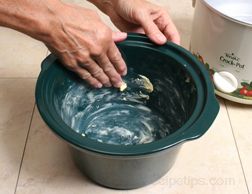
crock pot, slow cooker, slow cooking
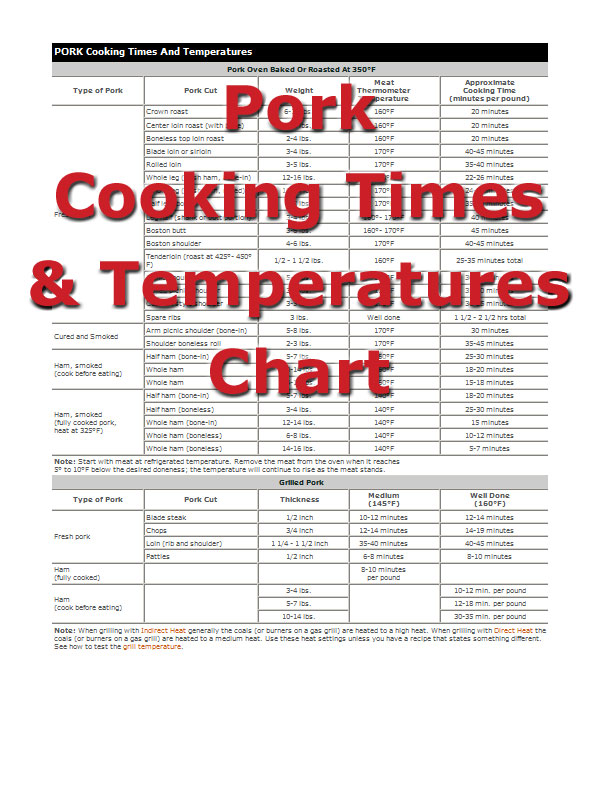
Pork cooking times and temperatures are extremely important when cooking pork. The optimum flavor and tenderness of various cuts of pork can be consistently achieved when care is taken to follow the recommended pork cooking time and temperature guidelines.
Top 82 articles found
Displaying 1-20 | Next 20 >>


Advertisement
Advertisement