
Loading
Search
We hope you found what you are searching for. If not, contact us and let us know what your want. We will do the work for you and get back to you when we're done.
fat wine - Knowledge Search
Top 53 articles found
Displaying 1-20 | Next 20 >>

Wine Tasting I: Assessing by AppearanceWine Tasting II: Assessing by SmellWine Tasting III: Assessing by Taste
Wine Tasting I: Assessing by Appearance
Serving Temperature
Before beginning, determine the ideal serving temperature for the wine you will be tasting.
Labeling requirements vary significantly from country to country. Specific information that is required to be on the label is governed by the local laws at the point of sale where the wine is marketed, rather than where it is produced.
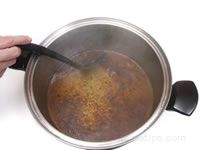
The reasoning behind cooking with wine is to intensify and enhance the flavor of food. Wine is known to release flavors in food that otherwise could not be experienced. The following are guidelines and tips particularly directed at the novice cook or a cook new to the world of cooking with wine.
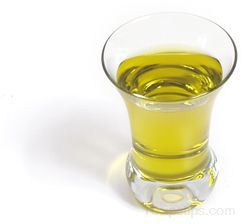
Types of Fat Structures | Fat Composition of Oils and Solid FatsThe Controversy over Coconut Oil | Olive Oil Nutritional Facts
Types of Fat Structures
All edible oils and solid fats are 100% fat, but the components that make up the fat structure of a particular edible fat are important in determining whether or not it is considered healthy.
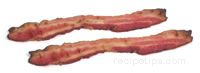
By making a few adjustments to your favorite recipes,you can minimize the fat content in your daily diet. Use thesuggested low-fat substitutions for the ingredients shown.
Bacon
Low-fat Substitutions
Turkey Bacon
Tofu Bacon
Comments
Turkey bacon is made entirely from turkey meat and contains very little fat.
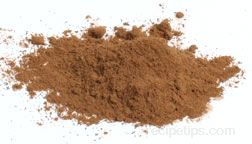
Use this food substitution and conversion chart to select ingredient substitutes when you are cooking and your recipe suggests ingredients you do not have available.
Herbs, Spices and Seasonings | Baking Ingredients | Cheese and Dairy Products | Eggs | Fats, Oils and Vinegars | Fruits and Vegetables | Miscellaneous | Healthy
Herbs, Spices and Seasonings Substitutions
Food
Amount
Substitute
Allspice
1 tsp
1/2 tsp cinnamon, 1/2 tsp ground cloves OR1/2 tsp ground cinnamon, 1/4 tsp.
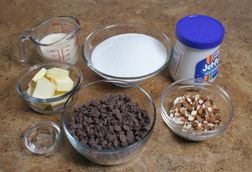
Dry Ingredients | Solid Ingredients | Liquid Ingredients | Fat Ingredients
There are many ingredients that have special functions in the baking and cooking process. Some functions are critical to the success of the finished product.
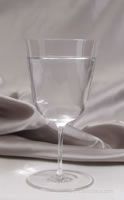
Buying Wine Glasses
Glasses designed for drinking wine have specific properties that have
been designed to intensify the sensory experience. The cost and quality
of a wine glass and how it affects the wine tasting experience has long
been debated.
The basic concept of pairing wine and food is to compliment and enhance the aroma and flavors of both the food and wine. Reds with heavier meals, whites for lighter meals, red wine with red meat, and white wine with white meat.
The USDA recommends 2 or 3 servings of meat, fish, or poultry per day. A serving of any type of cooked meat is equal to 3 ounces and is about the size of a deck of cards. Concerns over saturated fat and cholesterol have caused many people to reduce or eliminate their consumption of many types of red meat and to choose a healthier alternative such as turkey.
Before Opening
Wine to be consumed within a few weeks
Keep bottles in a cool, dry place away from direct sunlight and
vibration.
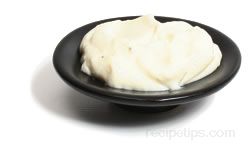
White Sauces | Brown Sauces | Tomato Sauces (or Red Sauces) | Egg Yolk and Butter SaucesEgg Yolk and Oil Sauces | Oil and Vinegar Sauces | Flavored Butter Sauces
White Sauces
In French cooking, traditional white sauces are one of two types: those made with hot milk added to a white roux (such as Béchamel sauce or Mornay sauce) or sauces made with hot broth or stock added to a white roux (such as Velouté sauce).
Shopping | Thawing | Marinating | Rubs | Cooking | CarvingGeneral Safety and Handling | Ground Beef Safety and Handling | Nutrition
Shopping
Lean boneless cuts yield up to 4 servings per pound.
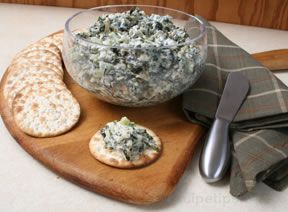
Types of Dips | Common Base Ingredients
Dips are most often prepared with a mixture of ingredients that complement other foods including raw vegetables, chips, crackers, or toast, which are dipped into the mixture; hence the name, dip.
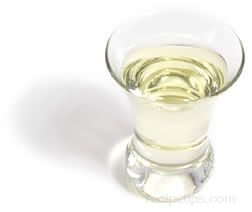
Storage of Liquid Fats | Storage of Solid FatsDeep-Frying Safety Tips | Olive Oil Handling/Safety/Storage
Guidelines for Storage of Liquid Fats
General Guidelines
Air, heat, light, and age affect the quality and the shelf life of many types of edible oils, which deteriorate through oxidation (rancidity).

Turkey Meat Nutritional Value | Turkey Products Nutritional ValueTurkey Cooking Nutritional Tips
The USDA recommends 2 or 3 servings of meat, fish, or poultry per day. A serving of any type of cooked meat is equal to 3 ounces and is about the size of a deck of cards.
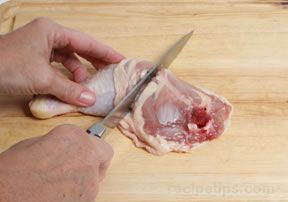
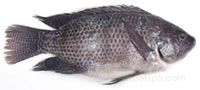
When preparing fish you want to be sure that the fish is handled properly to ensure it is safe to eat. There are several cooking methods that include baking, frying, and grilling, which all result in a little different taste for the fish when it is done cooking.
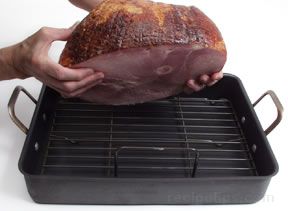
The roasting method can be used on all types of ham with a slight variation in the ham cooking time. Roasting is often used for cooking ham, but there are many other methods that can be used; see the Ham Cooking Guide for more information on how to cook a ham.
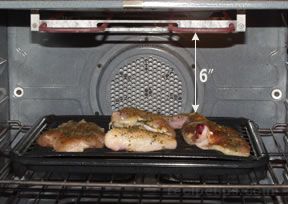
Tenderness Tips
Avoid freezing whenever possible to eliminate additional moisture loss during thawing, which results in less tender meat.
Keep chicken from drying out in the refrigerator by keeping it tightly wrapped.
Top 53 articles found
Displaying 1-20 | Next 20 >>


Advertisement
Advertisement