
Loading
Search
We hope you found what you are searching for. If not, contact us and let us know what your want. We will do the work for you and get back to you when we're done.
natural foods - Glossary Search
Top 66 glossary terms found
Displaying 1-20 | Next 20 >>
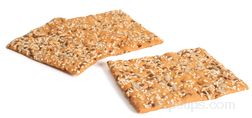
A term used to describe food that complies with the USDA (United States Department of Agriculture) standards for natural processing, handling, and labeling.
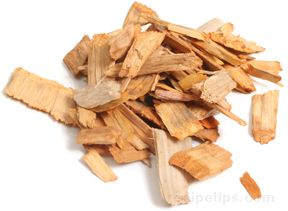
A wide range of woods are suitable for use in a grill. Hardwoods are much better than softwoods because hardwoods burn longer and provide more heat.
A cooking process that places foods above, not in, water that is boiling or hot enough to produce steam that cooks the foods with a moist hot air.
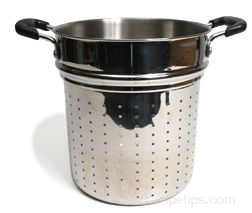
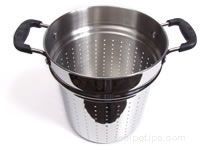
A type of cookware consisting of inserts or layers with perforations in the bottom, that are assembled together and used to cook food with the use of steam.
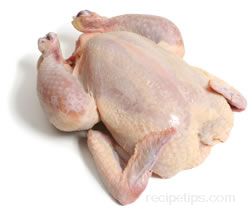
Any of the variety of food products grown or containing ingredients that have been produced without the use of antibiotics, chemicals, fertilizers, and pesticides.
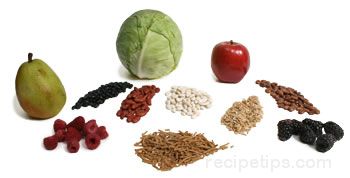
A carbohydrate contained in plant foods such as fruits, legumes, vegetables, and whole grains that cannot be broken down by digested enzymes when they are eaten so they cannot be fully digested.

A chemical or natural additive that is used to enhance or alter the color of a food being processed or prepared.

A type of cookware made of bamboo that consists of individual cooking trays or layers with openings in the bottom, that are assembled together and used to cook food with the use of steam.

A utensil used for drying and preserving foods by removing most of the natural moisture contained in the food, thus reducing the potential problems with spoilage that occur with fresh foods.
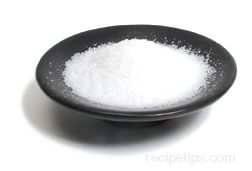
A substance that is combined with food in order to improve food for a variety of needs. Food Additives are commonly introduced into the food in order to enhance the appearance or taste, to preserve or retain the freshness, to keep the product safe for consumption, to improve the nutritional value, to improve the appearance, taste or texture, or to assist with the processing and/or preparation.
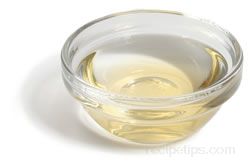
The distilled or evaporated oils of foods or plants (such as nuts, seeds, fruits, vegetables, herbs, spices, bark, buds, roots, leaves, meat, poultry, seafood, fish, dairy foods, or eggs) that are dissolved in an alcohol base or allowed to dry to be used as a flavoring.
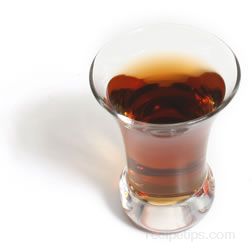
A type of vinegar that is produced from barley cereal grains that are malted. To manufacture the Malt Vinegar, the grain is soaked in water to soften its texture, allowing the barley to germinate, but not sprout, which results in the release of active enzymes.
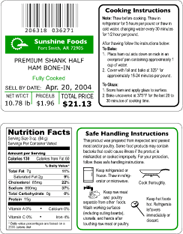
A method used to identify a variety of information regarding the contents of a package, bottle, carton, container or bag of food, such as ingredients, weight or nutritional information.
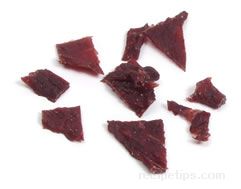
Types of food that have been dried to remove most of their natural moisture in order to preserve the food, thus reducing the potential problems which can occur as fresh foods mold or become fermented.
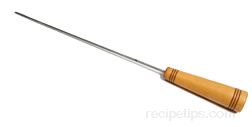
A long, thin straight shaft, typically made of metal, wood or natural materials, to be used to support and hold small chunks of meat and vegetables as they are grilled or roasted.
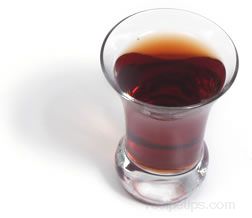
Any of a variety of different types of wine that are used to enhance the flavor of food dishes, such as meat, poultry, seafood, stew, vegetables, and sauces, while they are being cooked.
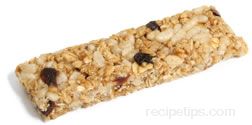
A group of products that are enriched with ingredients offering healthy alternatives for people seeking foods that may improve or act as a defense for various aliments and illnesses.
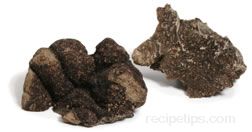
A highly prized and rare mushroom (fungus), that grows underground near the roots of trees. Most varieties of truffles that are considered edible are found 2 to 3 inches below the surface of the ground, but can be found as deep as 10 to 15 inches down.
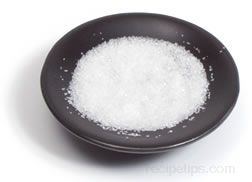
A type of salt extracted from seawater through the use of a vacuum evaporation process after which it is sun and wind dried and then distilled into an edible, solid form.
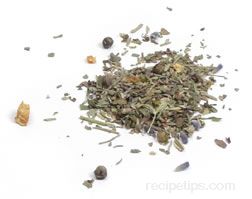
A variety of dried herbs grown naturally in the Provence region of southern France that are combined to create a savory flavoring for foods such as fish, meats, olives, potatoes, stews, soups, and sauces.
Top 66 glossary terms found
Displaying 1-20 | Next 20 >>


Advertisement
Advertisement