|
Extra Virgin Olive Oil | Virgin Olive Oil | Olive Oil | Miscellaneous Olive Oils
The quality of olive oil can vary greatly due to the variety of olives that are grown and because of the environmental conditions in the location used for growing. The first pressing of the olives contains the lowest levels of fatty acids and the best taste. Additional pressings may require heat or chemicals to extract more oil, which can be less flavorful and may contain more fatty acids. Three basic grades of olive oil are most often available to the consumer: Extra Virgin, Virgin, and Olive Oil.
|
Extra Virgin Olive Oil
Extra virgin olive oils are produced from the first pressing, which is performed within 24 hours of hand harvesting. Mechanical or hand pressing are the only methods used to obtain extra virgin olive oil. No heat, chemical, or filtration processes are used. |
|
Premium Extra Virgin
|
"Premium Extra Virgin" refers to the best olive oil possible in terms of acidity, quality, and flavor. Some brands may have natural acidity rates as low as 0.225%. Because it is the most expensive, it is best to use premium extra virgin for dishes in which the olive oil will not be heated, such as in salads or as a condiment. Heating olive oil will cause it to lose some of its flavor so it is best to use lower quality oil for cooking. |
|
Extra Virgin
|
To be classified as extra virgin, the acidity level of the olive oil can be no greater than 1%. Like premium extra virgin, it is best to use extra virgin for dishes in which the olive oil will not be heated, such as in salads or as a condiment. |
|
Virgin Olive Oil
Virgin olive oil grades are produced in the same manner as extra virgin grades. The oil is not refined or processed after pressing, but the natural acidity levels are greater than extra virgin grades. The flavor and aroma of virgin olive oil is of the highest quality. |
|
Fine Virgin
|
Fine virgin grade is a high quality olive oil with a maximum acidity level of 1.5%. It is less expensive than extra virgin grades, which makes it an excellent substitute when budget is a consideration. |
|
Semi-fine Virgin
|
Semi-fine virgin olive oil has a maximum acidity level of 3%. It has good flavor, but it is less tasty than higher grades. |
|
Olive Oil
Products labeled "Olive Oil" are a blend of refined olive oil and virgin olive oil. They are less expensive and have less flavor and aroma than higher grades although the maximum acidity levels are no greater than 1.5%. |
|
Pure Olive Oil
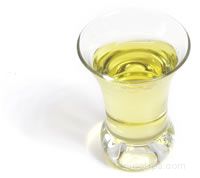
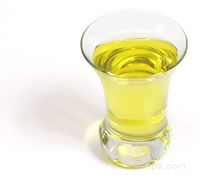
100% Pure Olive Oil
|
Unlike extra virgin and virgin grades, which are not processed, olive oil that has been refined is produced with heat, filtration, and chemical processes. Refined oil has no taste or smell, so virgin olive oil is blended with the refined oil to give it some flavor.
Among the names used by various companies for labeling purposes are"Olive Oil", "Pure Olive Oil", 100% Olive Oil, and "100% Pure Olive Oil". The various names also reinforce, with the consumer, that the product is all olive oil with no other types of oil mixed in. Regardless of the name they are given, the "olive oil" grade has the same health benefits of the higher quality virgin and extra virgin grades. |
|
Miscellaneous Olive Oils
There are other olive oils available to the consumer that are sold as value added products, such as light oils and flavored oils. The names given to these products do not necessarily determine the quality or grade of the oil, although the name may include the grade of the oil such as "Light Extra Virgin Olive Oil" or "Mild in Taste, Virgin Olive Oil". |
|
Mild in Taste Olive Oil
|
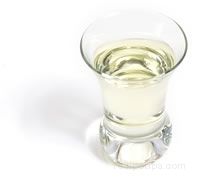
Olive oils labeled as mild, light, or lite refer to the flavor of the oil as mild or light and do not designate oil that is low in calories. All types and grades of olive oil contain the same amount of calories (120 calories per tablespoon). Olive oils in this group are very popular among consumers who are looking for a healthy oil without a strong flavor. Some of the names given to these products include:
- Lite Olive Oil
- Mild Olive Oil
- Mild in Taste Olive Oil
- Light in Taste Olive Oil
- Mild in Taste, Virgin Olive Oil
- Light Extra Virgin Olive Oil
|
|
Light in Taste Olive Oil
|
|
Flavored Olive Oils
|
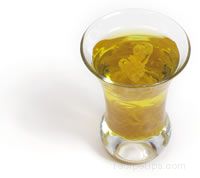
Flavored extra virgin olive oils are manufactured by adding ingredients to the olives as they are being pressed. Lower quality grades of olive oil are enhanced only after the oil has been produced. A heat treating process is used to infuse the oil with flavoring agents. Citrus extracts and citrus zest, such as the lemon zest pictured at the right, are popular additions to olive oil. Various herbs and spices such as garlic, basil, rosemary, and pepper are also used. | |


