
Loading
Search
We hope you found what you are searching for. If not, contact us and let us know what your want. We will do the work for you and get back to you when we're done.
slow cooking preparation guide - Knowledge Search
Top 24 articles found
Displaying 1-20 | Next 4 >>
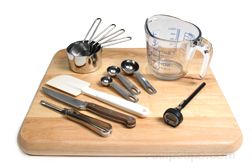
crock pot, slow cooking
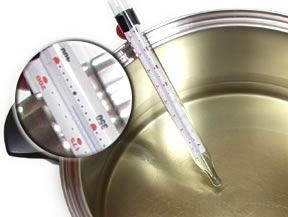
Cooking Times | Baking Fish | Pan-frying Fish | Deep-Frying FishGrilling & Broiling Fish | Doneness | Cooking Tips
Fish can be prepared using almost any type of cooking method including baking, steaming, frying, grilling, broiling, or slow cooking.
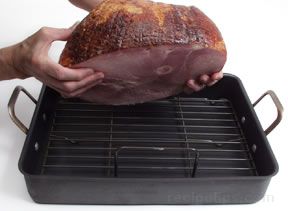
Some tasks to be aware of when preparing and baking a ham: thawing the ham properly, keeping a clean working area, and preparation for the cooking method being used. Most hams are prepared in the same basic manner for many of the ham recipes you will use.
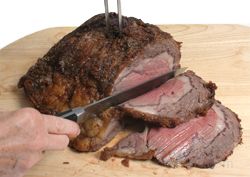
Purchasing | Preparing Prime Rib | Prime Rib Marinades | Rubs for Prime RibCooking Prime Rib | Checking Doneness | Carving Prime Rib | Serving Prime Rib
Knowing how to cook prime rib requires the understanding of only a few preparation steps and watching the temperature of the prime rib closely as it cooks.
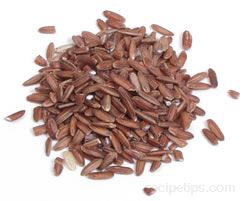
Cooking Rice with the Absorption Method | Cooking Paella | Cooking Risotto
Cooking Rice with the Absorption Method
Cooking rice with the absorption method is, perhaps, the method that most people are accustomed to when cooking rice, but it is often the most difficult.
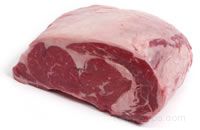
When roasting beef it is important to select the proper cut of roast beef to produce moist and tender meat when the roast beef is cooked to the desired doneness. Using the proper beef cooking times and temperatures is critical to the end results.
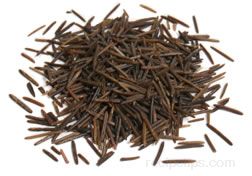
Hot Liquid Cooking Techniques for Grain | Cooking Wild Rice
The three basic techniques for cooking wild rice with hot liquid are boiling, absorption, and steaming, which are perhaps the most popular methods for cooking most whole grains.
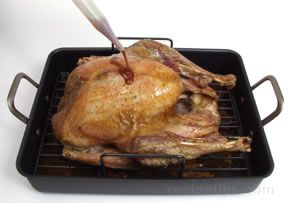
Procedure for Roasting a Turkey | Roasting Time Guidelines | Roasting a Turkey in an Oven-Safe Roasting Bag
Roasting is a dry heat cooking process and is one of the most popular methods used for cooking turkey.
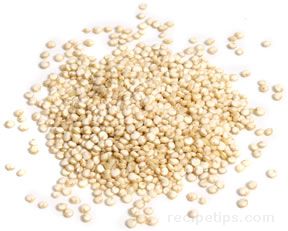
Hot Liquid Cooking Techniques for Grain | Cooking Quinoa
The three basic techniques for cooking quinoa with hot liquid are boiling, absorption, and steaming, which are perhaps the most popular methods for cooking most whole grains.
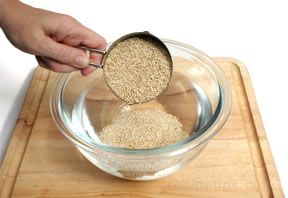
Cleaning/Rinsing Grain | Soaking Grain | Toasting Grain
Preparation of whole grains before cooking is fairly simple: most require only washing or soaking before they can be cooked.
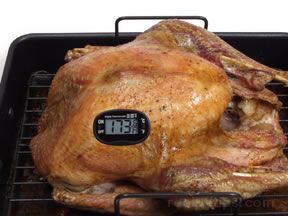
General Guidelines for Proper DonenessMeat Thermometers | Unsafe Cooking Methods
General Guidelines for Proper Doneness
Consider the Following Points whenDetermining the Proper Doneness of Turkey
A whole turkey should be cooked until the internal temperature of the breast meat reaches 170°F and the deepest portion of the thigh reaches 180°F.
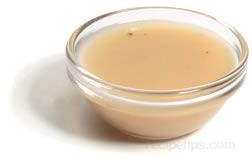
Flour Used as a Thickening Agent | Frying | Deep-Frying | Baking
Flour Used as a Thickening Agent
Flour is one of the most often used thickening agents when cooking foods such as sauces, gravies, soups, stews, and gumbos.
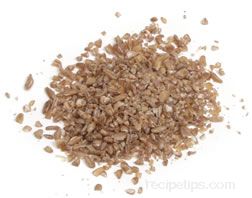
Bulgur Wheat Defined | Cooking Bulgur Wheat
The three basic techniques for cooking grains with hot liquid are boiling, absorption, and steaming, which are perhaps the most popular methods for cooking all whole grains.
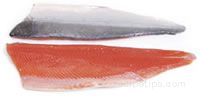
Thawing Fish | Salmon Preparation | Tips
Thawing Fish
Frozen fish can be cooked without thawing but the cooking time would need to be increased to cook it thoroughly. If the fish is going to be breaded, stuffed, broiled, fried or cooked in the microwave, it should be thawed completely first.
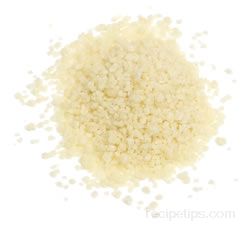
Couscous Defined | Cooking Couscous
The three basic techniques for cooking grains with hot liquid are boiling, absorption, and steaming, which are perhaps the most popular methods for cooking all whole grains.
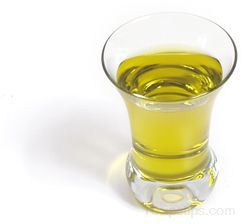
Types of Fat Structures | Fat Composition of Oils and Solid FatsThe Controversy over Coconut Oil | Olive Oil Nutritional Facts
Types of Fat Structures
All edible oils and solid fats are 100% fat, but the components that make up the fat structure of a particular edible fat are important in determining whether or not it is considered healthy.
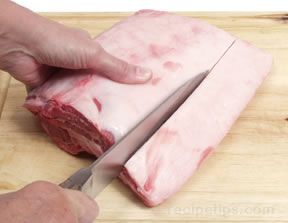
Thawing | Preparing a Rack of Lamb | Preparing a Crown RoastPreparing a Guard of Honor | Boning and Butterflying a Leg of Lamb | Grinding
Thawing
Lamb that has been frozen should never be defrosted at room temperature because harmful bacteria may grow rapidly under such conditions.
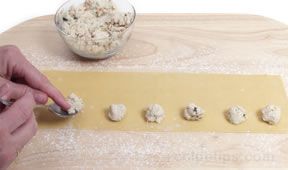
When making stuffed pasta, the pasta dough should be rolled thinner than when making other pasta because the stuffed pasta requires two layers. Using thinner layers will prevent the edges of the stuffed pasta from becoming too thick.
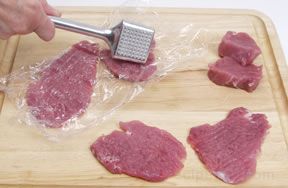
Pounding
Pounding of meat is performed for various purposes. Meat is pounded to tenderize, to even out the thickness of some cuts so that they cook more evenly, and to form cutlets.
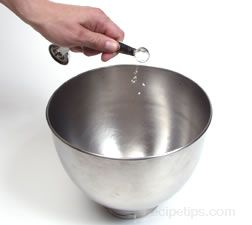
Beating Egg Whites | Beating Egg Yolks
Beating Egg Whites
Egg whites that are beaten correctly may increase in volume by as much as eight times. After beating, the egg whites should be extremely smooth and firm but not dry, forming stiff peaks.
Top 24 articles found
Displaying 1-20 | Next 4 >>


Advertisement
Advertisement