
Loading
Search
We hope you found what you are searching for. If not, contact us and let us know what your want. We will do the work for you and get back to you when we're done.
bread baking guide - Knowledge Search
Top 31 articles found
Displaying 1-20 | Next 11 >>
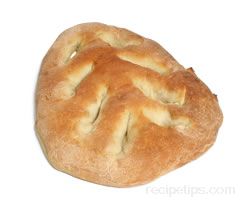
The most common method for bread baking is with the use of an indoor oven. The proper bread baking temperature is more readily achieved with a modern oven than with any other method.
Leavening Agents | Liquids | SaltsFats and Oils | Sweeteners | Other Flavoring Ingredients
Leavening Agents
Leavening agents are the substances that allow bread dough to rise.
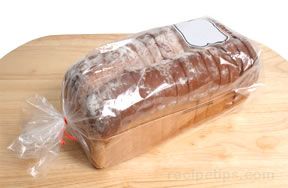
Among the top criteria influencing the shelf life of bread are the following: the bread ingredients used, the bread storage temperature and humidity levels, the type of storage container used, and the bread storage location.
Standard Loaf Pan | Bloomer | Cob or Boule | Coburg | CottageMolded Tin or Split Pan | Baguette | Épi | Fougasse | Braided | Ring | Flat Breads
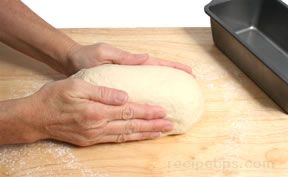
After the dough has been punched down, kneaded, and then has rested briefly, it is ready to be shaped.
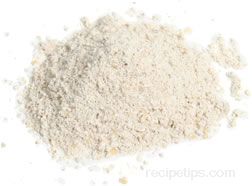
Types of Wheat Flour | Types of Non-Wheat FlourImportance of Gluten | Wheat/Non-Wheat Flour Proportions
Flour is the main ingredient in all types of breads. Different types of flour milled from wheat are most commonly used for making bread.
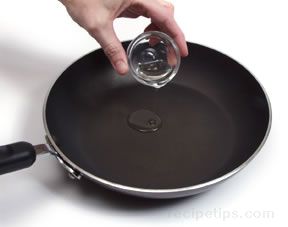
Sautéing | Pan-Frying | Stir-Frying | Deep-Frying | Grilling and BroilingBaking with Olive Oil | Smoke Point | Cooking Guidelines
Sautéing
Sautéing is a cooking process using high heat that browns and sears food quickly in a small quantity of oil or fat in a skillet.
Measuring | Mixing, Rising, and KneadingAdditional Tools for Preparation | Baking | Serving
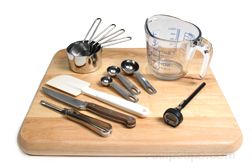
Most of the kitchen tools and devices necessary for bread making are simple items that are found in most home kitchens: measuring cups and spoons, a large bowl (preferably glass), a large spoon (preferably wood), a work surface, a dish towel, a sharp knife, and a baking sheet.
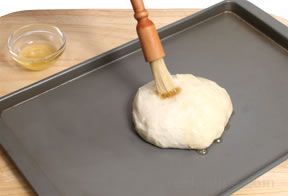
Glazing and/or topping are often the final steps in bread making prior to baking the bread. Although glazes and toppings are often optional ingredients, they do add a boost of flavor and enhance the appearance of the bread.
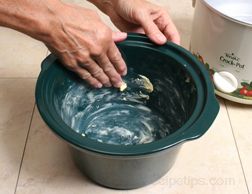
crock pot, slow cooker, slow cooking
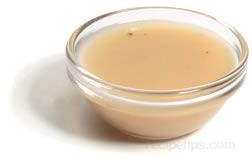
Flour Used as a Thickening Agent | Frying | Deep-Frying | Baking
Flour Used as a Thickening Agent
Flour is one of the most often used thickening agents when cooking foods such as sauces, gravies, soups, stews, and gumbos.
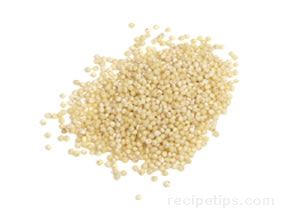
Baking Millet | Baking Oats | Baking Rice | Baking Wild Rice
Many grains can be cooked using the baking method, which is a dry heat cooking process that surrounds food with heat in an enclosed oven.
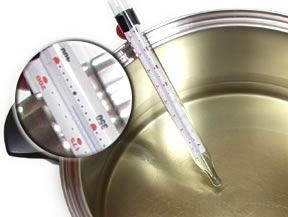
Cooking Times | Baking Fish | Pan-frying Fish | Deep-Frying FishGrilling & Broiling Fish | Doneness | Cooking Tips
Fish can be prepared using almost any type of cooking method including baking, steaming, frying, grilling, broiling, or slow cooking.
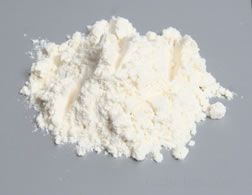
A Guide for Selecting the Proper Wheat Flour
It is wise to use flours specifically formulated for various baked goods, such as bread flour or cake flour, although all-purpose flour is suitable for a majority of items.
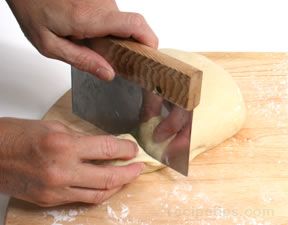
Rounded Rolls | Crescent Rolls | Fan Tan Rolls | Knot Shaped RollsTwisted Rolls | Breadsticks | Parker House Rolls | Clover Leaf Rolls | Bagels
Many rolls and buns are smaller versions of larger bread loaves.
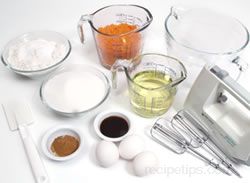
Reading the Recipe | Ingredient Preparation | Scaling Your Recipe
Knowing how to follow and read your recipe will help make your cooking or baking experience a success. Properly preparing your ingredients, using proper cooking times and temperatures, and proper bakeware or cookware all assist in the success of your end product.
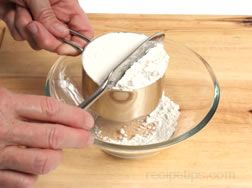
Measuring Dry Ingredients | Weight Versus VolumeMeasuring Solid Fats | Measuring Liquid Ingredients
When making bread, it is critical to use precise measurements. Unlike general cooking in which precise measurements are often not as critical, inaccurate measurements in bread making (and most baked items) affect the chemical processes that occur during the preparation and baking.
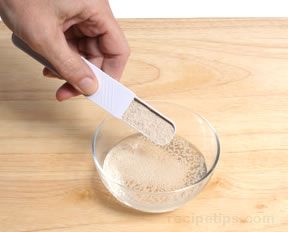
Risen breads rely on a means of producing carbon dioxide gas that becomes trapped in the batter or dough causing the dough to rise. The carbon dioxide gas is produced either as a byproduct of fermentation or through the use of chemical agents.
crock pot, slow cooking
Chemical leavening agents allow bread dough to be prepared in minutes instead of hours. Chemical leavens, such as baking soda and baking powder, react immediately when combined with a liquid so they are mixed with the other dry ingredients before any liquid ingredients are added.
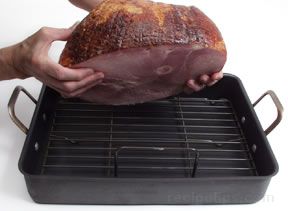
Some tasks to be aware of when preparing and baking a ham: thawing the ham properly, keeping a clean working area, and preparation for the cooking method being used. Most hams are prepared in the same basic manner for many of the ham recipes you will use.
Top 31 articles found
Displaying 1-20 | Next 11 >>


Advertisement
Advertisement