
Loading
Search
We hope you found what you are searching for. If not, contact us and let us know what your want. We will do the work for you and get back to you when we're done.
pork steaks - Glossary Search
Top 9 glossary terms found
Displaying 1-9
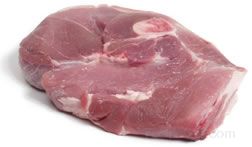
A term customarily applied to the meat of a pig that is under a year old. The pig carcass is generally split into two sides of pork; each consisting of four primal cuts known as the shoulder, loin, leg/ham, and side/belly.
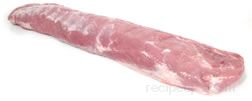
The loin is located on both sides of the backbone starting at the shoulder and continuing back to the hind leg.
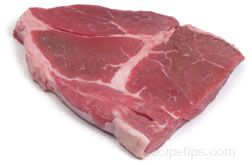
A specialty cut of meat taken from the shoulder primal of beef, pork, lamb, or veal. The shoulder is generally cut for roasts, but when sliced approximately 3/4 inch thick, this cut becomes an arm steak.
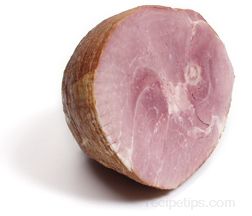
Refers to the smaller cuts of meat obtained from the larger primal cuts of an animal. For example, a beef chuck primal cut can be divided into the arm section and the blade section and from these sub-primals are cut the smaller market ready roasts and steaks.

A porous but hard material that is approximately 90% carbon content. Charcoal is produced using an oxygen-free process that heats natural wood in order to remove the air and water and to create a carbon product that will burn significantly longer than wood.

Any of several types of sea salt that have been "cured" with smoke in order to add flavor to the salt as a seasoning, similar to a smoked meat.
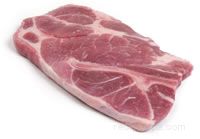
A specialty cut of meat taken from the shoulder primal cut of beef, pork, lamb, and veal. It is generally cut as a roast, but can also be sliced into 3/4 inch thick steaks.
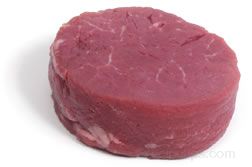
A portion of meat, which can also include a fillet of fish, taken from the most tender part of the animal and formed into a round steak to be prepared.

The primal cut of an animal that contains the most tender and the leanest sub-primal and market ready cuts.
Top 9 glossary terms found
Displaying 1-9


Advertisement
Advertisement