
Loading
Search
We hope you found what you are searching for. If not, contact us and let us know what your want. We will do the work for you and get back to you when we're done.
white wine - Glossary Search
Top 250 glossary terms found
Displaying 1-20 | Next 20 >>

The process of pouring a liquid from one container into another in order to allow the liquid to breathe (aerate), to separate any unwanted deposits (sediment) so that it remains in the original container, and to improve flavors by softening the wine or reducing the wine temperature.
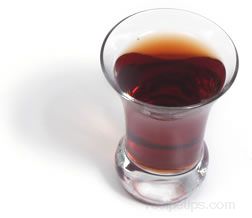
Any of a variety of different types of wine that are used to enhance the flavor of food dishes, such as meat, poultry, seafood, stew, vegetables, and sauces, while they are being cooked.
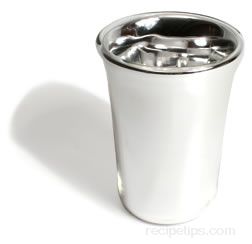
Any type of utensil or piece of equipment that is used to keep wine chilled. Depending on function, wine coolers may be a simple as a table top containers to cool wine as well as hand held totes to carry chilled wine or as elaborate as refrigerated units that hold many bottles of wine that can be maintained at specific temperatures.
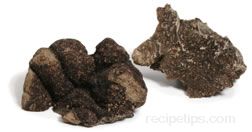
A highly prized and rare mushroom (fungus), that grows underground near the roots of trees. Most varieties of truffles that are considered edible are found 2 to 3 inches below the surface of the ground, but can be found as deep as 10 to 15 inches down.
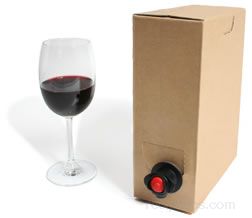
A form of packaged wine that uses a plastic or reinforced paper liner with a spigot to hold the wine within a corregated box instead of glass bottles as containers.
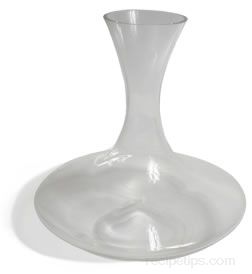
A glass or crystal vessel that wine is poured into for optimal aeration and sediment separation before consuming.
Similar to other kosher foods, making a wine kosher involves processes and procedures that follow specific guidelines and laws established by the Jewish community.
White wine produced from grapes that are kept on the vine until the first deep frost. Grapes are then typically pressed while still frozen.
Pronounced bore-DOUGH. A regional white wine produced in the Bordeaux region of France. The Bordeaux is also a major city in France.
The purpose of swirling wine in a glass is to oxygenate the wine. When oxygen is introduced to a wine it releases the chemical components that produce those aromas we search for and is thought to smooth the taste of the wine.
Found in a variety of plants, this compound is a distinctive and prevalent acid commonly used in the production of food and industrial products.
An alcoholic beverage made from the fermented juice of fruits and vegetables. Grapes account for the largest segment of wine making.
German term for Icewine. White wine produced from grapes that are kept on the vine until the first deep frost.
The tasting of wine with the purpose of analyzing the quality of the wine. The serious wine taster follows strict guidelines in terms of proper equipment (white table cloths, decanters, etc.
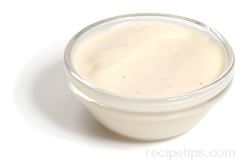
Any of a variety of savory toppings and mixtures of ingredients that enhance the flavor of the pasta dish being served.
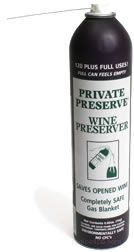
A utensil that removes excess oxygen remaining in an opened bottle of wine in order to preserve the flavor of the wine for a longer length of time.
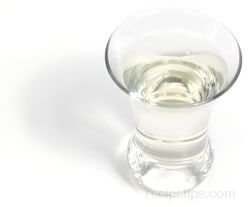
Refers to vinegar that is produced from white wine and is a popular ingredient for the preparation of various salad dressings.
A wine fortified by adding grape alcohol partway through the fermentation. The wine is kept in oak for a relatively short time, then fortified and aged in bottles.
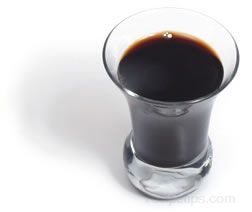
A very strong, but sweet type of grape vinegar originating in the Modena region of Italy. Produced from the juice of white Trebbiano grapes, Balsamic Vinegar is made from fresh pressed grape juice, referred to as "must" and therefore is not classifed as a wine vinegar.
Pronounced white zin-fan-dell. Contrary to what the name suggests, white zinfandel is a rosé (or blush), wine rather than a white wine.
Top 250 glossary terms found
Displaying 1-20 | Next 20 >>


Advertisement
Advertisement