
Loading
Search
We hope you found what you are searching for. If not, contact us and let us know what your want. We will do the work for you and get back to you when we're done.
fat wine - Glossary Search
Top 101 glossary terms found
Displaying 1-20 | Next 20 >>
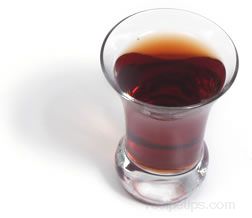
Any of a variety of different types of wine that are used to enhance the flavor of food dishes, such as meat, poultry, seafood, stew, vegetables, and sauces, while they are being cooked.
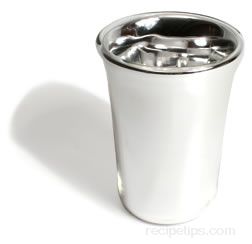
Any type of utensil or piece of equipment that is used to keep wine chilled. Depending on function, wine coolers may be a simple as a table top containers to cool wine as well as hand held totes to carry chilled wine or as elaborate as refrigerated units that hold many bottles of wine that can be maintained at specific temperatures.
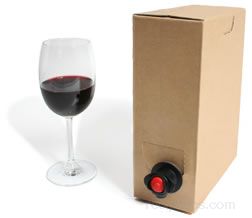
A form of packaged wine that uses a plastic or reinforced paper liner with a spigot to hold the wine within a corregated box instead of glass bottles as containers.

Similar to other kosher foods, making a wine kosher involves processes and procedures that follow specific guidelines and laws established by the Jewish community.
White wine produced from grapes that are kept on the vine until the first deep frost. Grapes are then typically pressed while still frozen.
The purpose of swirling wine in a glass is to oxygenate the wine. When oxygen is introduced to a wine it releases the chemical components that produce those aromas we search for and is thought to smooth the taste of the wine.
An alcoholic beverage made from the fermented juice of fruits and vegetables. Grapes account for the largest segment of wine making.
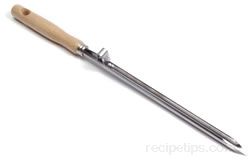
The process of injecting fat into the interior of meat, generally by using a larding instrument to accomplish the task.
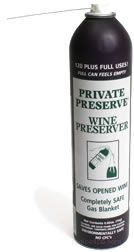
A utensil that removes excess oxygen remaining in an opened bottle of wine in order to preserve the flavor of the wine for a longer length of time.
A kitchen utensil that is used to inject lard into meats in order to moisten the meat and enhance the flavor.
The tasting of wine with the purpose of analyzing the quality of the wine. The serious wine taster follows strict guidelines in terms of proper equipment (white table cloths, decanters, etc.
When applied to wine, it is the practice of giving wine an opportunity to breathe by opening the bottle and pouring the contents into a glass or or a container in order to expose the wine to volumes of air.
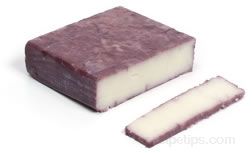
Blocks of cheese or cheese spreads that have been infused with wine to enhance the flavor of the cheese.
An Italian wine that is made using the Passito Method in the Veneto region. During the drying process, the grapes may develop Botrytis Cinerea, giving them added intensity and fullness.
Wine made from basically one variety of grape. The wine is labeled for the single grape variety or the most prominent grape variety used to produce the wine.
Positive Descriptor of wine that fills the mouth. Although “fat” wines typically lack elegance, “fat” wine is highly valued by connoisseurs of sweet dessert wines.
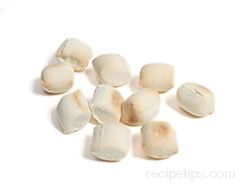
Similar in appearance to an enlarged oyster cracker, this type of cracker is served after tasting different varieties of wine.
Winemakers often supplement wines during winemaking by adding small amounts of sulfur dioxide to protect fruit quality and prevent oxidation, allowing wine to age well.
Term used to describe the process of blending two or more wine varieties, wine types, wine lots, or wine vintages with the goal of creating one balanced and complex wine.
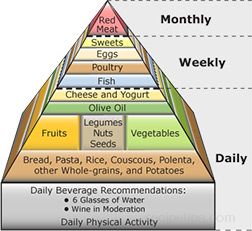
A dietary plan in which a pyramid (in the style of the USDA food guide pyramid) is used to illustrate the types of food and quantities of food that should be consumed to maintain a diet based on the healthful traditional diets of the people who lived in Greece, Crete, and southern Italy during the early 1960's.
Top 101 glossary terms found
Displaying 1-20 | Next 20 >>


Advertisement
Advertisement