
Loading
Search
We hope you found what you are searching for. If not, contact us and let us know what your want. We will do the work for you and get back to you when we're done.
beef steaks - Glossary Search
Top 27 glossary terms found
Displaying 1-20 | Next 7 >>
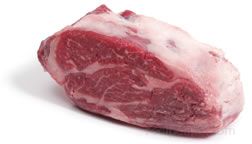
A type of red meat cut from carcasses of cattle that are raised, butchered, and processed for human consumption.
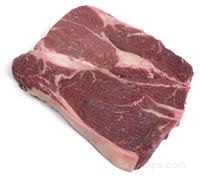
A cut of beef obtained from various portions of the cow, but especially from the loin. Examples of beefsteaks are sirloin, T-bone, club, and porterhouse.
A slice of beef, cut from various areas of the beef carcass, ranging in thickness between one-half to one inch and of a size intended to be one serving (many steaks can easily feed two people).
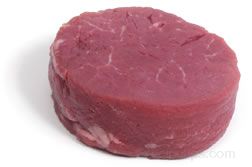
A steak cut from the beef tenderloin, which is the inside muscle of the short loin. It is among the most desirable, tender, and expensive cuts of beef.
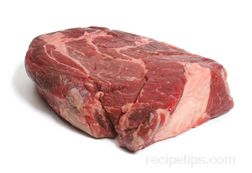
Beef that is processed using specific guidelines of Jewish law and with the supervision of special rabbis.
A crosscut steak from the beef sirloin. There are several different sirloin beefsteaks and each is given a different name depending on the shape of the piece of hipbone that is contained within the steak: 1) pin bone, which is a crosscut from the front section of the hip, next to the Porterhouse, and is the most tender of the bone-in sirloin steaks; 2) flat bone, which is another crosscut from the front section of the hip; 3) round bone, which is a third crosscut steak from the front section of the hip; and 4) wedge bone, which is the least tender of the four because of its proximity to the rump.
A portion of meat, which can also include a fillet of fish, taken from the most tender part of the animal and formed into a round steak to be prepared.
A generic name given to a steak cut from the beef tenderloin. In France, a filet steak often refers to a steak cut from an area between the tournedo and chateaubriand portions of the beef tenderloin.
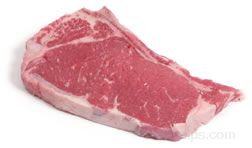
A bone-in steak cut from the top loin section of the beef short loin. Top loin bone-in steaks are tender and flavorful and are much like a Porterhouse or T-bone, but with the tenderloin portion removed.
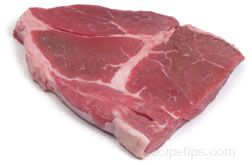
A specialty cut of meat taken from the shoulder primal of beef, pork, lamb, or veal. The shoulder is generally cut for roasts, but when sliced approximately 3/4 inch thick, this cut becomes an arm steak.
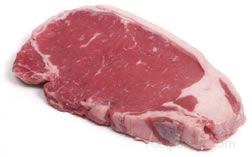
A boneless beefsteak cut from the top loin muscle of the short loin. Boneless top loin steaks are tender and flavorful and are best prepared using grilling, broiling, sautéing, or pan-frying cooking methods.
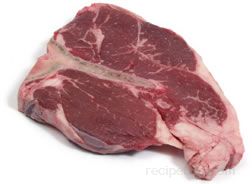
The Porterhouse is a crosscut beefsteak containing part of the tenderloin and part of the top loin, which are separated from each other with a "T" shaped bone.
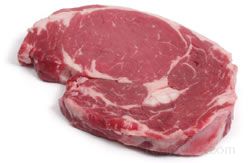
A boneless steak that is cut from the center of the rib cut of beef. Rib Eye Steak is very tender and has nice marbling, providing the steak with a rich flavor.
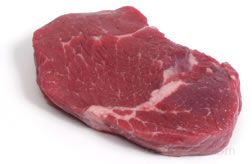
The mock tender is often sold as a roast and is a cone shaped cut next to the top blade in the chuck primal.
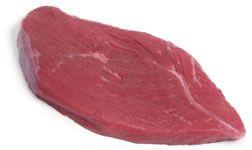
The round tip beefsteak is cut from the untrimmed round tip roast. If the steak is obtained from the trimmed roast, it is known as a trimmed tip steak or a ball tip steak.
A cut of beef taken from the area that lies between the tender short loin and the tougher round. The sirloin is generally cut into steaks and roasts, with the cuts nearer the short loin being more tender than those taken closer to the round.
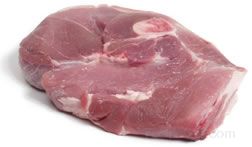
A term customarily applied to the meat of a pig that is under a year old. The pig carcass is generally split into two sides of pork; each consisting of four primal cuts known as the shoulder, loin, leg/ham, and side/belly.
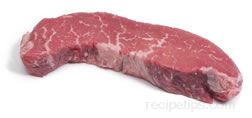
The tri-tip is a triangular shaped cut at the tip of the sirloin and is surrounded by the sirloin, round, and flank primals.
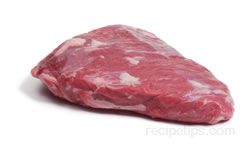
The tri-tip is a triangular shaped cut at the tip of the sirloin and is surrounded by the remainder of the sirloin and the round and flank primals.
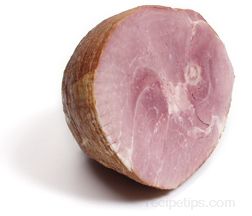
Refers to the smaller cuts of meat obtained from the larger primal cuts of an animal. For example, a beef chuck primal cut can be divided into the arm section and the blade section and from these sub-primals are cut the smaller market ready roasts and steaks.
Top 27 glossary terms found
Displaying 1-20 | Next 7 >>


Advertisement
Advertisement